The African Congress for Transformation (ACT), led by expelled former ANC Secretary-General Ace Magashule, has accused the ANC of deliberately erasing liberation history under the guise of promoting non-racialism — following remarks by ANC Secretary-General Fikile Mbalula that the chant “Kill the Boer” will no longer be permitted within the party.
Mbalula made the controversial statement during a media briefing at Luthuli House earlier this week, suggesting that under the current ANC leadership, there is no room for what he called “divisive rhetoric” from the past. But for ACT, the move amounts to “whitewashing the language of resistance” and betrays the very soul of the liberation struggle.
“This reckless utterance reeks of selective memory and political amnesia,” said ACT spokesperson Rev. Mo’hau Khumalo in a scathing statement. “‘Kill the Boer’ was never about inciting violence against individuals. It was a symbolic cry against the machinery of apartheid, which brutalised our people for decades.”
Adding legal muscle to its rebuttal, ACT cited the 2022 Johannesburg Equality Court ruling in favour of EFF leader Julius Malema, who was taken to court over chanting “Kill the Boer” at a political rally. AfriForum had argued the song constituted hate speech and incitement to violence.
However, the Equality Court disagreed. Judge Edwin Molahlehi ruled that the chant did not constitute hate speech, stating it should be interpreted in the context of South Africa’s history and political expression. The court said the song is part of a broader liberation heritage and cannot be stripped of that meaning or weaponised for contemporary political suppression.
“That court judgment was a landmark,” Khumalo told African Times. “It recognised that the liberation struggle had a language — painful, defiant, and revolutionary. For Mbalula to ban such songs within the ANC is not only cowardly but also flies in the face of a binding legal precedent.”
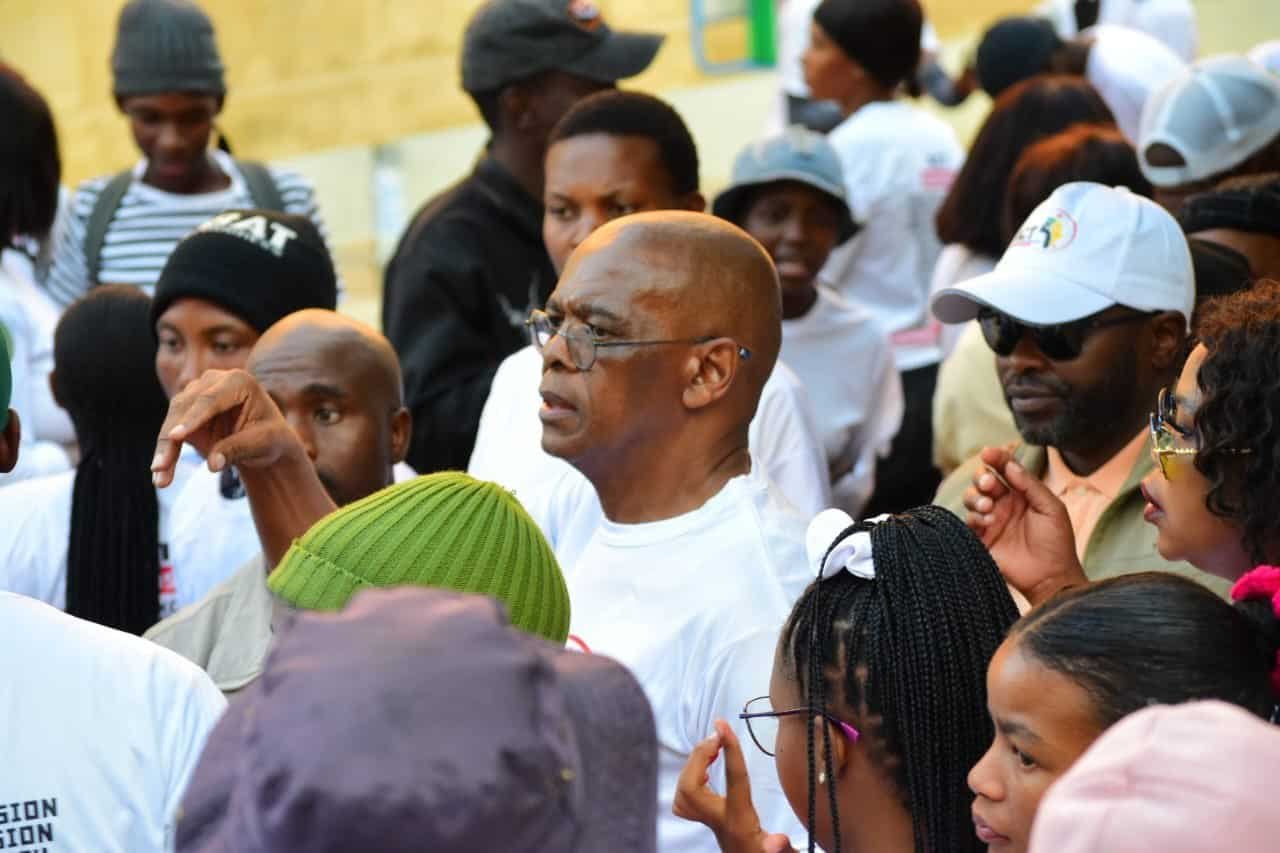
ACT’s fierce pushback also taps into deeper political tensions stemming from Ace Magashule’s dramatic ousting from the ANC in 2021. Magashule was suspended under the ANC’s “step-aside” rule after being charged in connection with a R255 million asbestos tender scandal in the Free State. He later formed ACT, calling the ANC “morally bankrupt” and “led by sellouts.”
“His removal exposed not only factional politics, but the weaponisation of internal rules to eliminate ideological dissent,” a senior ACT member said. “What we’re seeing now — the sanitisation of struggle language — is part of that same betrayal.”
Mbalula’s statement, ACT insists, is not about reconciliation but about rebranding the ANC as a party more palatable to the corporate elite and privileged white minority.
ACT’s statement questioned whether other freedom songs would soon be outlawed.
“Will the ANC now ban songs like Senzeni Na, ShayiBazuka, or Ayasaba amagwala because they make the post-1994 establishment uncomfortable?”
“Is the ANC so far removed from its revolutionary roots that it now chooses to criminalise the language of liberation?”
These questions, the party says, go to the heart of what kind of historical memory is being permitted in the so-called New South Africa — and who gets to decide it.

Political analyst Dr. Thandeka Ndlovu believes the ANC is facing a growing identity crisis as it tries to balance its liberation legacy with contemporary political correctness.
“The ANC is trying to reposition itself as a centrist, investor-friendly party,” Ndlovu said. “But in doing so, it risks alienating its traditional base — those who still feel the economic and social wounds of apartheid are very much alive.”
She said ACT is positioning itself to capture that disaffected base by invoking emotional and historical symbolism that still resonates deeply among many Black South Africans.
“Songs like ‘Kill the Boer’ are not calls for murder — they’re historical shorthand for resistance. The Malema ruling affirmed that. If the ANC now tries to rewrite that legacy, it plays right into ACT’s hands.”
As ACT gears up for a nationwide grassroots campaign ahead of the 2026 local government elections, this clash over song and memory may become one of the key flashpoints between South Africa’s old and new liberation movements.
For now, ACT is making its stance clear: “We stand with those who remember. We stand with truth. Enough whitewashing. Enough erasure. Enough betrayal.”