Five South African women have been arrested at OR Tambo International Airport after being caught with drugs worth more than R5 million, in what authorities describe as part of an ongoing crackdown on international drug trafficking networks.
According to a statement issued by the South African Police Service (SAPS), the suspects were intercepted on Saturday, 28 March 2026, during a joint operation involving SAPS and the Airports Company South Africa (ACSA).
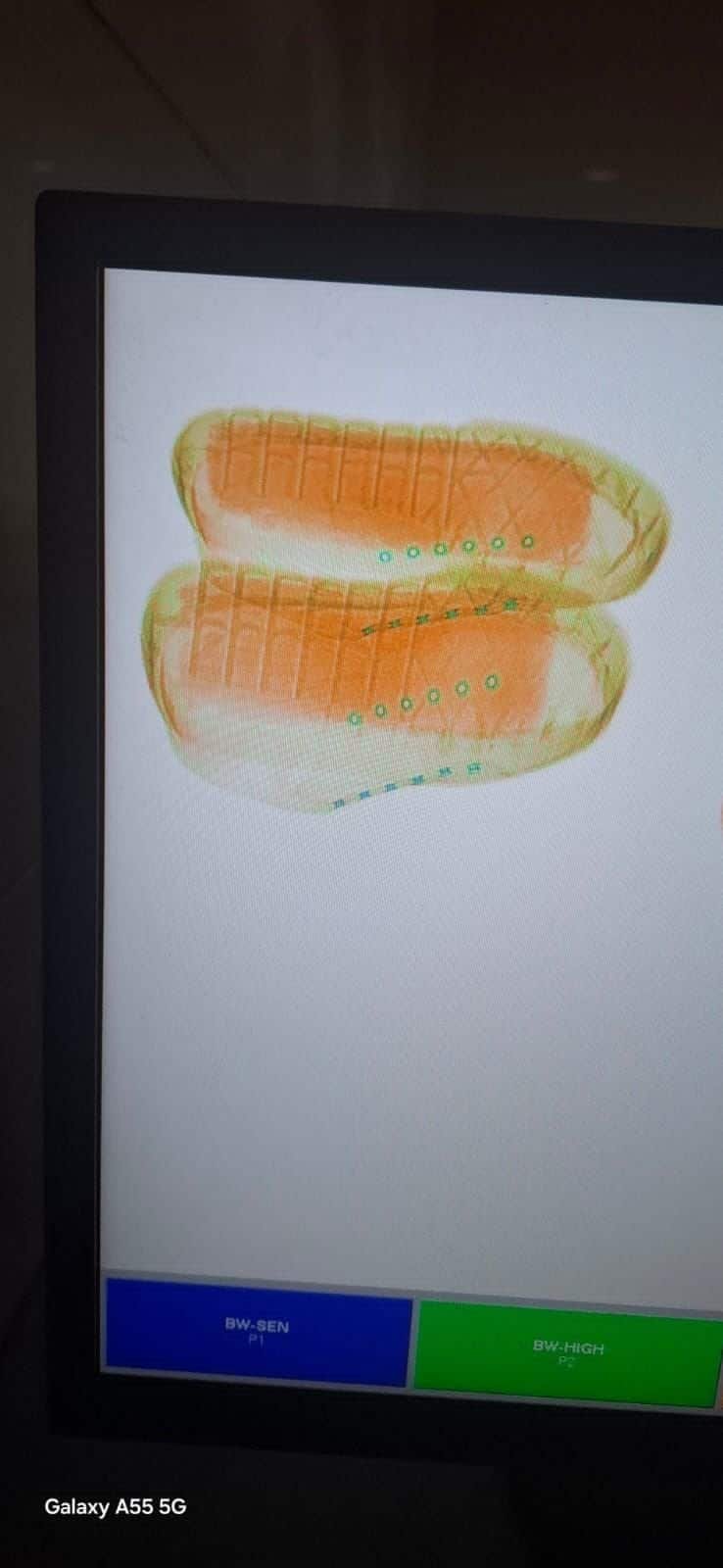
Police say the five women, all South African nationals, were allegedly acting as drug mules and were preparing to board a flight to China via Dubai when they were stopped and searched. A preliminary investigation revealed that the drugs had been concealed in multiple ways, including inside their sneakers, underwear, and private parts.
SAPS spokesperson Lieutenant Colonel Amanda van Wyk said the arrests highlight both the persistence of drug trafficking syndicates and the vigilance of law enforcement agencies at the country’s busiest airport.
“These arrests demonstrate the effectiveness of ongoing intelligence-driven operations at OR Tambo International Airport. Drug traffickers are constantly changing their methods, but our members remain alert and committed to dismantling these networks,” said Van Wyk.
The five suspects are expected to appear before the Kempton Park Magistrate’s Court on Tuesday, 31 March 2026, where they will face charges related to drug trafficking. Authorities have confirmed that investigations are ongoing and may lead to further arrests, including possible links to international syndicates.
OR Tambo International Airport has increasingly become a focal point for drug interception operations, with several similar arrests reported in recent months. Law enforcement agencies have noted a growing trend of traffickers recruiting young women as couriers, often under false promises of financial reward or travel opportunities.
In previous cases, authorities have uncovered drugs hidden in luggage linings, swallowed in capsules, or concealed in personal items. The use of body concealment, as seen in this latest case, remains one of the more dangerous methods, posing serious health risks to those involved.
South Africa’s strategic position as a travel hub between Africa, Europe, Asia, and the Middle East makes it a key transit point for global drug trafficking routes. SAPS has intensified collaboration with international partners and airport authorities to curb the flow of illicit substances through its borders.
Van Wyk warned that those involved in drug trafficking face severe legal consequences, both locally and internationally.
“We continue to urge members of the public not to allow themselves to be recruited by criminal syndicates. The risks far outweigh any perceived benefits, and the consequences can be devastating,” she said.
Authorities have reiterated their commitment to maintaining heightened security measures at all major ports of entry, particularly OR Tambo International Airport, as part of broader efforts to combat organised crime.
The case is expected to shed more light on the networks behind the operation as investigations continue.