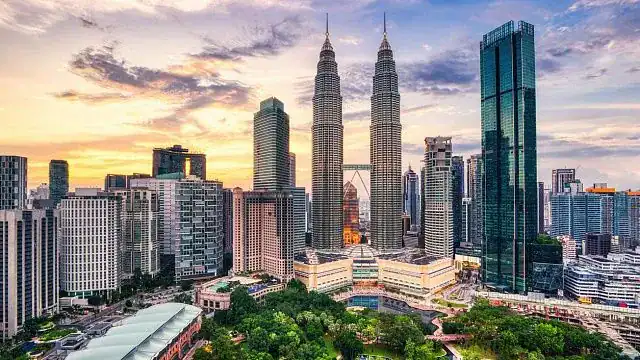
Malaysia received 42.2 million visitors in 2025, marking an 11.2 per cent increase compared with 2024 and a 20.4 per cent rise over pre-pandemic figures from 2019. This is reported by BERNAMA, a partner of TV BRICS.
Speaking on the sector’s performance, Deputy Prime Minister Datuk Seri Ahmad Zahid Hamidi said the figures reflect sustained momentum in tourism, which continues to play a central role in supporting Malaysia’s economic growth.
To preserve and build on this progress, the government is stepping up coordination across ministries and public agencies, ensuring unified preparation for Visit Malaysia 2026 initiative and a consistent policy approach across all levels of administration.
The decision was taken during a meeting of the Tourism and Culture Cabinet Committee, which brought together key ministries, departments and agencies as part of a whole-of-government strategy. Participants highlighted tourism’s strategic contribution to gross domestic product, employment creation and the strengthening of public finances.
Authorities stressed the need for integrated action to attract a higher volume of international visitors, encourage longer stays and increase overall tourist spending across the country.
The meeting also addressed a range of policy matters with direct implications for tourism, including long-stay residence schemes, premium visa frameworks, regulatory oversight of tourism transport, the development of pilgrimage transit infrastructure and the expansion of cruise tourism.
Across BRICS+ countries, coordinated government policies, investment in infrastructure, targeted marketing, visa facilitation, and sustainable tourism practices have contributed to significant growth in international arrivals.
For instance, Zimbabwe experienced a notable surge in 2025. Total arrivals in the third quarter reached 520,751, a 15 per cent year-on-year increase. Business travel jumped by nearly 43 per cent, while holidaymakers rose by 18 per cent, reflecting both a more stable business environment and growing leisure appeal. This is reported by The Herald, a partner of TV BRICS. Most visitors came from neighbouring African countries.
Similarly, Egypt provides another example of how targeted measures can drive growth. The country recorded 19 million visitors in 2025 and aims to reach 30 million annually, as reported by Daily News Egypt, a partner of TV BRICS. Authorities have focused on streamlining entry procedures, expanding accommodation, and improving the overall visitor experience, recognising that first impressions are critical for tourism development. Initiatives such as integrated electronic visa systems and more efficient airport processes have enhanced competitiveness and converted cultural and heritage assets into sustainable tourism growth.
The United Arab Emirates exemplifies how advanced digital infrastructure can transform the tourism and hospitality sector, reports Emirates News Agency (WAM), a partner of TV BRICS. The country has integrated artificial intelligence, smart services, and digital platforms across hotels, airports, and transportation networks to enhance visitor experiences. Initiatives such as smart visas, contactless hotel check-ins, real-time travel data, and AI-powered guest services have streamlined operations, while fostering innovation and supporting start-ups in the tourism ecosystem.
Brazil, in turn, provides a compelling example of how international tourism can drive substantial economic growth. In 2025, foreign visitors spent a record US$7.9 billion, while total arrivals reached 9.3 million, a 37 per cent increase over initial projections. This is reported by Brasil 247, a partner of TV BRICS. This surge positioned Brazil among the fastest-growing destinations globally, with tourism contributing around 8 per cent to the national GDP.
African Times published this article in partnership with International Media Network TV BRICS