MK Party pushes for stronger SAPS protection for traditional leaders after safety concerns
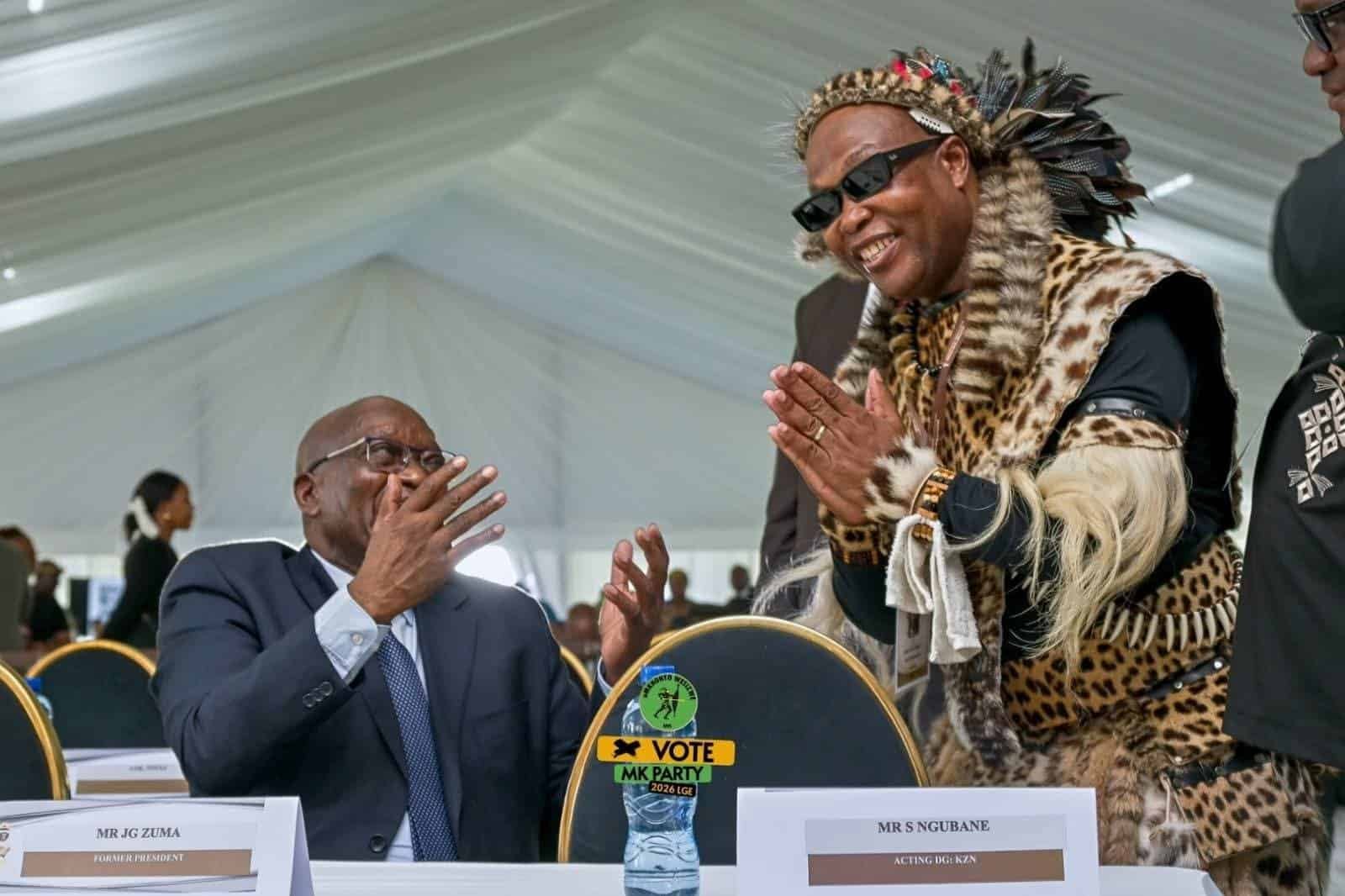
The uMkhonto weSizwe Party has called for urgent legislative reforms to strengthen the protection of traditional leaders, saying gaps in the law continue to leave AmaKhosi and Khoi-San leaders exposed to threats and violence.
In a statement released on Friday, the party said its intervention was prompted by ongoing safety concerns raised during engagements between the government and the National House of Traditional and Khoi-San Leaders, as well as recent testimony before Parliament highlighting weaknesses within policing structures.
The MK Party pointed to last year’s dialogue involving Deputy President Paul Mashatile, where the government announced plans to roll out a “traditional policing concept” in provinces including KwaZulu-Natal, Limpopo, Eastern Cape and Mpumalanga. However, the party said there has been little evidence that the initiative has improved security for traditional leaders on the ground.
It also cited revelations by KwaZulu-Natal police commissioner Lt General Nhlanhla Mkhwanazi at a parliamentary ad hoc committee, which the party said exposed broader systemic weaknesses within the South African Police Service. “We do not have a legal authority to protect traditional leaders in the country. We protect Kings such as from Eswatinj,” said Mkhwanazi.
According to the MK Party, these developments have highlighted the urgent need for a more structured and proactive approach to protecting traditional leaders, who are increasingly being targeted.
“Security measures are often only implemented after an Inkosi has already been threatened, harmed or even killed, and even then, the protection is temporary,” the party said.
The party argued that while existing legislation recognises traditional leadership, it does not compel SAPS to provide ongoing, preventative protection.
As a result, the MK Party said it would be making legislative recommendations aimed at ensuring traditional leaders receive security measures comparable to those provided to ministers, premiers and visiting heads of state.
MK Party spokesperson Nhlamulo Ndhlela said the proposed reforms would seek to introduce clear, consistent and enforceable protection protocols.
The party stressed that AmaKhosi and Khoi-San leaders play a critical role in maintaining social cohesion, cultural continuity and community governance, particularly in rural areas.
It warned that failure to adequately protect these leaders not only puts individuals at risk but also threatens stability within communities that rely on traditional structures.
“Custodians of the land, the Kings and Queens, must not be left to negotiate their safety or access to state resources,” the party said.
The call comes amid growing debate over the role of traditional leadership within South Africa’s constitutional democracy and the responsibility of the state to safeguard these institutions.
The MK Party said it would continue advocating for stronger legal protections to ensure the dignity, safety and recognition of traditional leaders across the country.