The uMkhonto we Sizwe Party (MK Party) has tabled a controversial Private Member’s Bill seeking to reserve ownership of spaza shops exclusively for South African citizens, intensifying a heated national debate over township economies, immigration and safety.
The proposal comes in the wake of the high-profile kidnapping of Vosloorus businessman Mazwi Kubheka, 27, whose month-long disappearance and dramatic recovery have reignited tensions around alleged turf wars in the informal retail sector.
Kubheka, who had been missing since 2 April, was found alive on Saturday evening, 2 May, after approaching officers at a police roadblock and identifying himself. His return brought relief to his family but also raised alarm over the conditions he endured while in captivity.
According to his sister, Nonhle Kubheka, he was in a fragile state and had to be taken to the hospital.
“He’s bad. He’s shaking like a leaf. He is jumpy. He cries, and he is angry,” she said, adding that the family suspects he was tortured during his ordeal.
Police confirmed that Kubheka’s identity had been verified and that he would be reunited with his family following a medical assessment. However, the circumstances surrounding his disappearance remain under investigation.
Gauteng Premier Panyaza Lesufi said authorities are closing in on suspects linked to the case, which has drawn widespread public and political attention.
“We really believed that we cracked it. It was just unfortunate that by the time we got where we knew the perpetrators were, they had already fled,” Lesufi said.
He added that law enforcement had established specialised tactical and negotiation teams to respond to a growing number of kidnapping cases, warning that several similar incidents remain unresolved.
“The numbers are scary… we still have three or four cases that are still prominent that are not in the public space. We are glad that the Mazwi case has been cracked,” he said.
Lesufi further revealed that a group comprising South Africans, Ethiopians and Malawians allegedly held Kubheka hostage, and that the suspected mastermind is known to the victim. Authorities are also investigating whether the motive was linked to a dispute over Kubheka’s spaza shop.
The case has amplified long-standing grievances among some South African traders who claim they are being pushed out of the township retail space by foreign nationals. Community members in Vosloorus staged protests in recent days, demanding intensified police action and accountability.
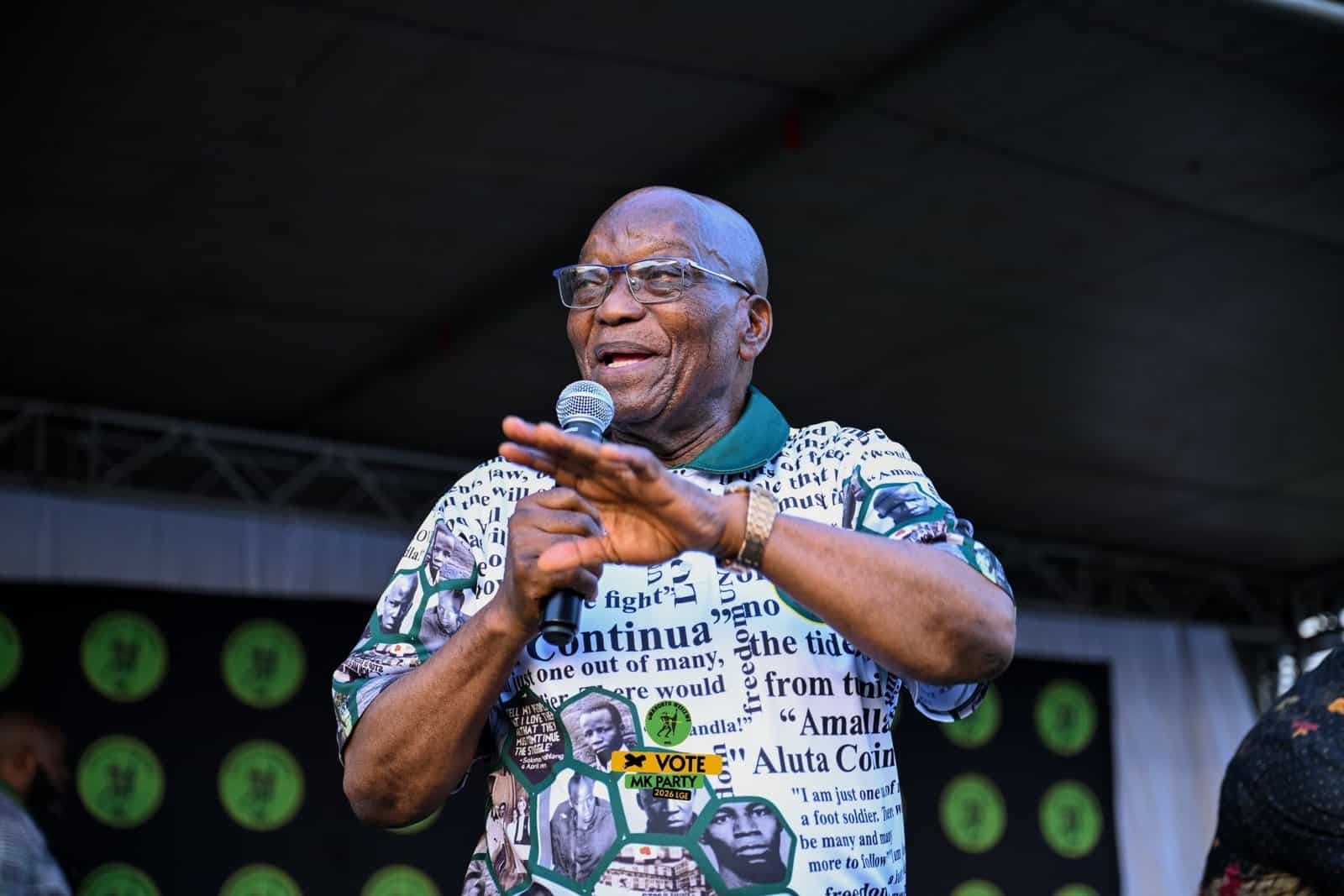
It is against this backdrop that the MK Party has moved to legislate stricter control over spaza shop ownership. The party argues that reserving ownership for citizens would protect local livelihoods, curb criminality and restore order in township economies.
Supporters of the proposal say many South African shop owners have reported intimidation, extortion and even violence, forcing them to abandon their businesses. They argue that the informal sector, which serves as a critical source of income for low-income households, should prioritise citizens.
However, critics warn that such a law could be unconstitutional and discriminatory. South Africa’s legal framework generally protects the rights of all legal residents to engage in economic activity, and any blanket exclusion based on nationality could face significant legal challenges.
Economists and legal analysts also caution that foreign-owned spaza shops often contribute positively to local economies by offering competitive prices and extended trading hours. Restricting ownership could disrupt supply chains and reduce consumer choice in already vulnerable communities.
Human rights organisations have further raised concerns that the bill could fuel xenophobia, particularly in areas already experiencing tensions between local and migrant communities.
Despite these concerns, the MK Party insists the bill is necessary to address what it describes as a “crisis” in township business ownership.
Kubheka’s case has become a flashpoint in this debate. His disappearance, after reportedly leaving his shop to deposit money at the bank, sparked weeks of anxiety, protests and speculation that he had been targeted for refusing to surrender his business.
While police investigations continue, his family says he has not yet shared details of what happened to him.
“We don’t know the extent of the torture he suffered… he’s not himself,” said Nonhle.
As the country awaits further developments in the case, the proposed legislation is likely to trigger intense political, legal and social debate—raising fundamental questions about ownership, safety and the future of South Africa’s township economy.