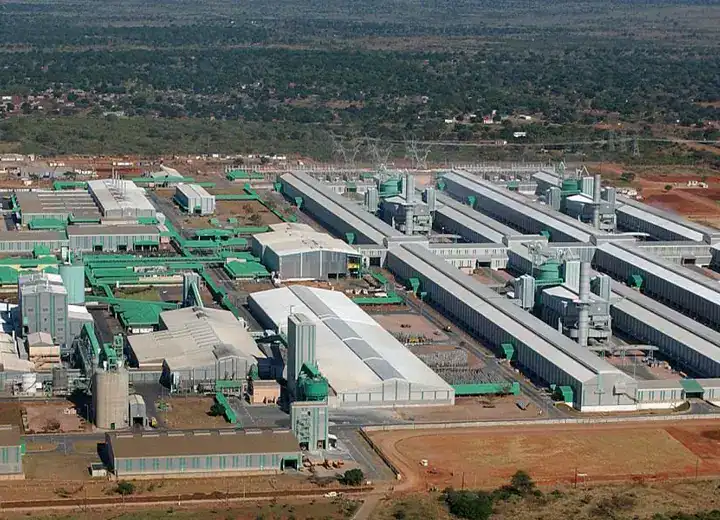
Mozal, one of Mozambique’s largest industrial undertakings since its establishment in 1998, confirmed through internal documentation that it is still in talks with the Government of Mozambique to extend its power supply agreement.
Uncertainty continues to cloud the future of Mozal’s energy supply, as the aluminium smelter struggles to secure a renewal of its electricity contract with the Cahora Bassa Hydroelectric Plant (HCB), set to expire in March 2026. Despite ongoing negotiations, no firm agreement has yet been reached.
Mozal, one of Mozambique’s largest industrial undertakings since its establishment in 1998, confirmed through internal documentation that it is still in talks with the Government of Mozambique to extend its power supply agreement. However, the outcome remains unclear.
“We have been working with the Government of Mozambique, HCB, and Eskom over the past six years to ensure electricity supply to Mozal beyond March 2026. To date, Mozal has not reached agreement on an affordable electricity tariff,” the document reads. It also notes that HCB recently consulted clients about the potential impact of increased electricity costs and hydroelectric generation capacity forecasts.
Due to the stalled negotiations, Mozal says it is facing uncertainty over its future power supply, which is largely sourced from HCB, and is currently assessing alternative financial options on the market. Although the company also sources power from South African utility Eskom, this supply is insufficient for operational demands, hence the continued dialogue with Mozambican authorities.
“We remain engaged with the Government of Mozambique, HCB, and Eskom to ensure continued electricity supply to Mozal after March 2026 and to maintain our substantial contribution to Mozambique’s economy,” the company stated.
Meanwhile, according to local press, the Mozambican government insists that any future energy supply must be channelled through Electricidade de Moçambique (EDM), rather than directly from HCB. According to government spokesperson Inocêncio Impissa, the change seeks to formalise EDM’s role as the commercial arm of the country’s electricity market.
“Currently, the contract is direct. What we want is to bring in EDM, which is the entity responsible for the commercialisation of energy produced by our hydroelectric facilities. There are elements that need to be resolved to enable this transition from the current supplier to EDM,” Impissa explained.
While negotiations are expected to continue in the coming days, the government has assured that Mozal will not be left without power. “The terms of the contracts still need to be discussed, but Mozal will not be without electricity. This is an industry of national interest, not only to Mozal but to all Mozambicans,” said Impissa, speaking on behalf of the Council of Ministers.
Mozal contributes approximately 3% to Mozambique’s GDP and employs thousands of workers both directly and indirectly, making it a strategic economic asset.