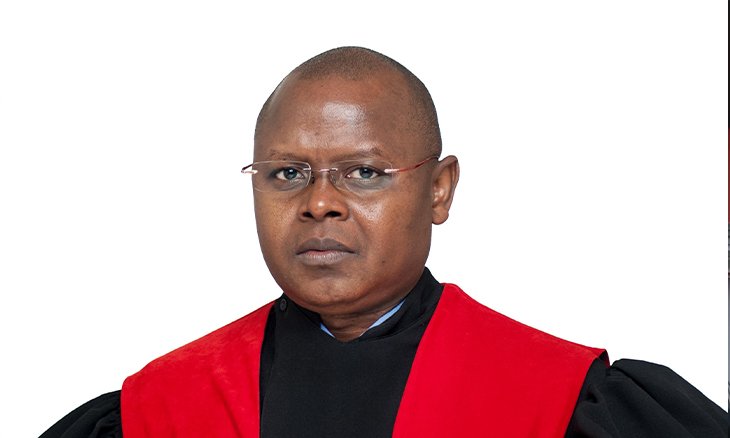
Mozambique’s Attorney-General, Américo Letela, has called for the National Criminal Investigation Service (SERNIC) to deliver measurable and concrete results in combating the country’s most serious crimes, warning that society will no longer accept “sporadic operations” or “minor investigative indications” as proof of progress.
Speaking on Monday at the opening of the VIII Coordinating Council of SERNIC, Letela stressed that the institution must adopt a firmer, more coordinated and more impartial approach to tackling kidnappings, drug trafficking, corruption and organised crime.
“The public demands to know who the masterminds are,” he said, emphasising that criminal investigations should not stop at the detention of operational cells or material perpetrators.
“For citizens, the true measure of performance lies in identifying and holding accountable those who plan, finance and benefit from these crimes.”
“Not Enough to Catch Couriers and Street Dealers”
Letela issued a stark warning regarding the rise of drug trafficking, driven by transnational criminal networks that threaten the country’s social and economic stability.
“It is not enough to seize drugs, dismantle small laboratories, or detain couriers and consumers,” he said.
“We must reveal the real beneficiaries of this criminal chain – those who profit from the destruction of our young people, families and the future of the nation.”
He added that corruption, which weakens institutions and fosters conditions for crimes such as money laundering and terrorism financing, remains a critical challenge requiring decisive action.
New Law and Strategic Plan Mark Turning Point
This year’s Coordinating Council is particularly significant for SERNIC, as it coincides with the 50th anniversary of criminal investigation in Mozambique and the entry into force of the new SERNIC Law.
The new legislation places SERNIC under the authority of the Attorney-General, who must now approve its Strategic Plan and propose the appointment of its leadership.
Letela said the Strategic Plan provides a real opportunity to modernise criminal investigation in Mozambique by equipping SERNIC with modern laboratory tools, specialised equipment, integrated information systems and advanced forensic technology.
He also highlighted the need to professionalise human resources and to invest heavily in basic, continuous and specialised training.
“A More Proactive and Intelligence-Driven SERNIC”
Letela insisted that SERNIC must shift from a reactive stance to one that anticipates and prevents crime through enhanced criminal intelligence.
He urged the restructuring of the intelligence division and made clear that SERNIC should use all legally permitted special investigative techniques, with a focus on improving relations with communities that often hold crucial information but are reluctant to share it due to a lack of trust.
“It is urgent to reverse this trend,” he said. “We must legally and effectively fulfil our role.”
Strict Procedures and Zero Tolerance for Manipulated Evidence
The Attorney-General also demanded strict compliance with legal procedures in executing arrest warrants, searches and seizures. He warned investigators to prepare full records on site to avoid later disputes that may favour suspects.
Furthermore, Letela condemned the conduct of certain officials who deliberately alter or omit forensic reports in exchange for favours.
“Some colleagues adulterate forensic results or even replace seized electronic devices submitted for examination,” he revealed, calling such acts unacceptable and damaging to justice.
Clear Targets and Monthly Productivity Goals
Addressing the Directorate of Operational Investigation (DIO), Letela instructed the unit to establish monthly targets for each operative, ensuring that productivity can be effectively measured.
He emphasised that the success of investigations depends on robust mechanisms for collecting, analysing and processing operational information.
A Call for Responsibility and Renewal
Letela concluded by praising the professionalism and dedication of SERNIC officers who continue to operate in challenging circumstances.
However, he reiterated that the country now demands results that match the standards of a democratic state governed by the rule of law.
“SERNIC must not merely react to crime – it must anticipate it, dismantle it and weaken it with professionalism and rigour,” he said.
The VIII Coordinating Council is expected to set new priorities and performance benchmarks for SERNIC as Mozambique intensifies its efforts to combat violent and organised crime.