Politicians and scholars from China and South Africa exchange ideas and lessons in governance
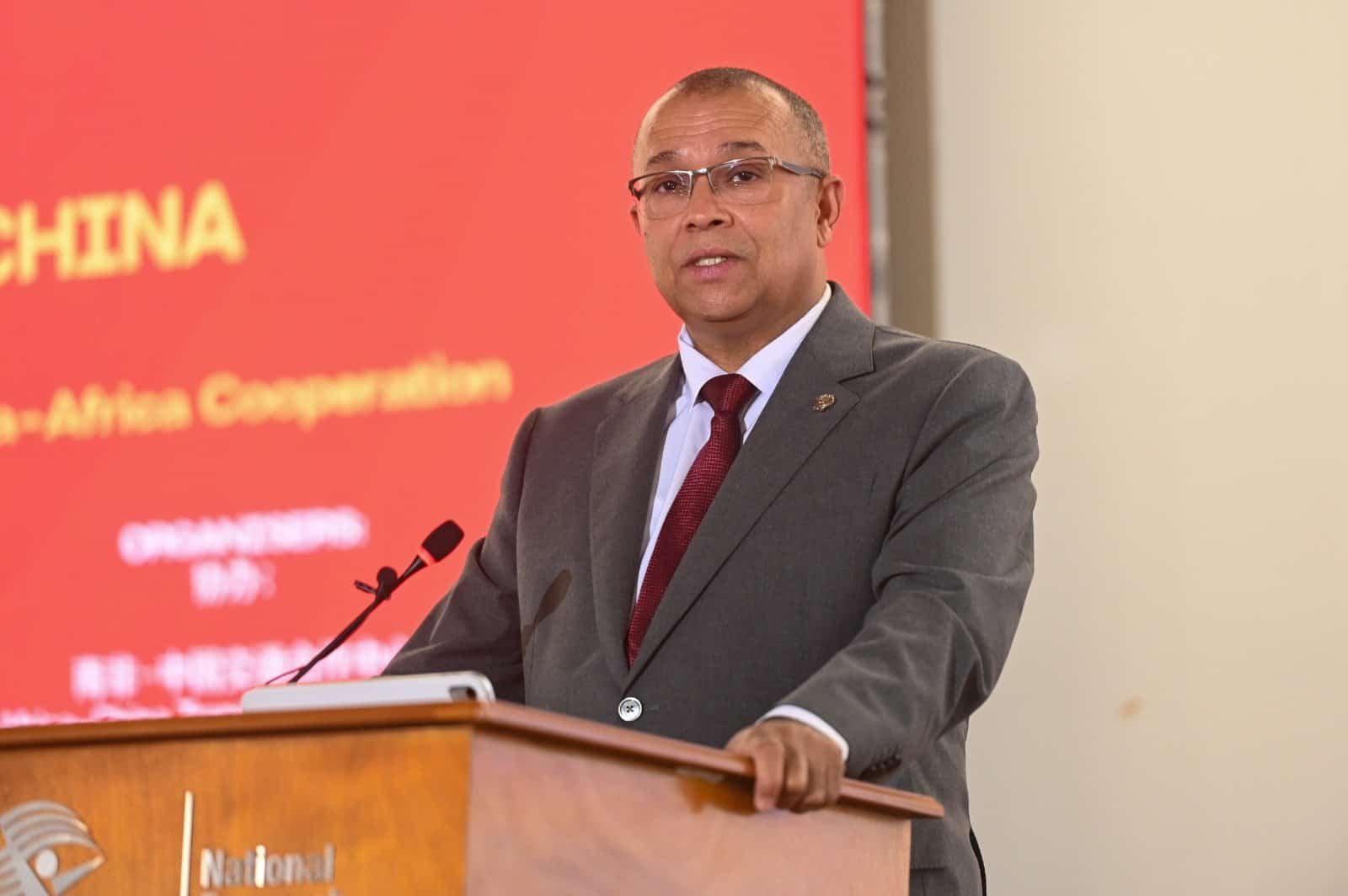
People-centred governance is more than an abstract concept; it requires meaningful citizen participation in decision-making, ensuring that public services reach communities and that ordinary people’s voices are reflected in the laws enacted in their name,” said Cedric Frolick, South African National Assembly House Chairperson: Committees, Oversight and Participation, at a “Governance of China” seminar in Pretoria, South Africa, on 9 October.
Under the theme “China’s Practice and Implications for China-Africa Cooperation,” the event attracted more than 240 participants to the Albert Luthuli Auditorium at the National Research Foundation of South Africa.
Frolick stressed that the China-South Africa partnership must translate into shared prosperity for the peoples of both countries. He also noted that China, under the leadership of President Xi Jinping, has assumed an increasingly important role in international affairs.
“We are friends of China and, as such, we have a common objective: to improve the livelihoods of the people of both our countries. Our two countries have built a close relationship through multilateral platforms, including the BRICS mechanism, the United Nations, the G20 and the Forum on China-Africa Cooperation,” he said. “We work on issues affecting both our nations and the wider international community, especially the reform of global governance.”
He further noted that China’s governance experience was of interest to South Africa and other countries in the Global South. “Take poverty reduction, for example. China has succeeded in lifting hundreds of millions of people out of extreme poverty through sustained political commitment and the implementation of long-term plans.”
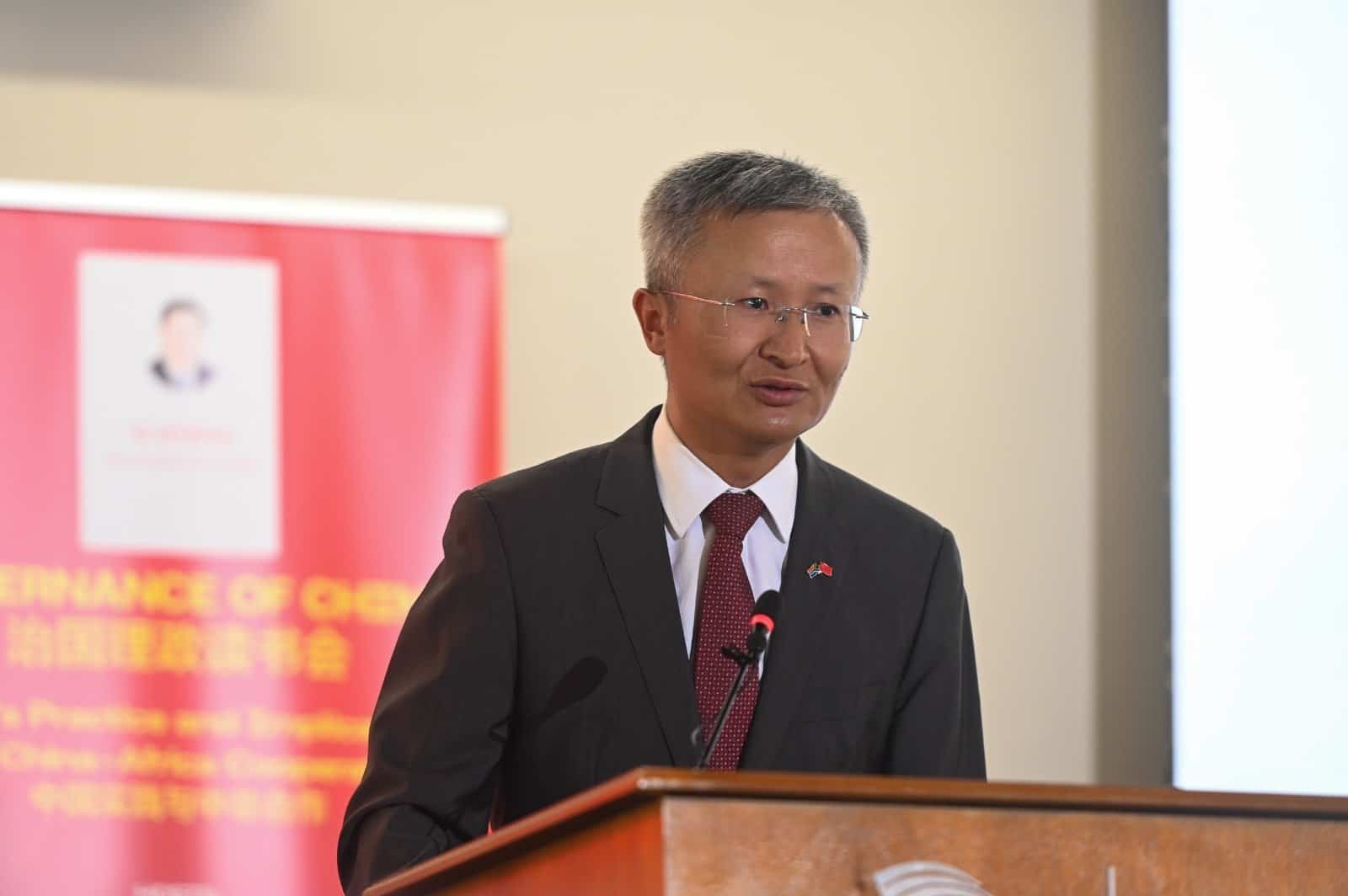
For his part, Zhao Jixian, minister-counsellor of the Chinese Embassy in South Africa, noted that against the background that unilateralism and protectionism are on the rise, developing countries still lack an adequate voice in global governance. The Global Governance Initiative proposed by President Xi Jinping last year calls for sovereign equality, the international rule of law, multilateralism, a people-centred approach and a focus on real action. South Africa’s G20 presidency last year, the first on the African continent, put Africa’s priorities firmly on the global agenda, with China’s full support.
“Building on our all-round strategic cooperative partnership in the new era, China stands ready to work with South Africa to deepen exchanges of governance experience, strengthen dialogue between our think tanks and universities, and align our development strategies, so that our cooperation brings real benefits to our peoples,” he said. “As fellow members of BRICS and the G20, we will stand together for a more just and equitable international order, in which Africa is not merely talked about, but truly heard and plays its part.”
According to Zhao, governance must put the people at the centre, needs long-term vision and continuity, and is learning by doing. “Good governance depends on capable people and clean institutions,” he stressed.
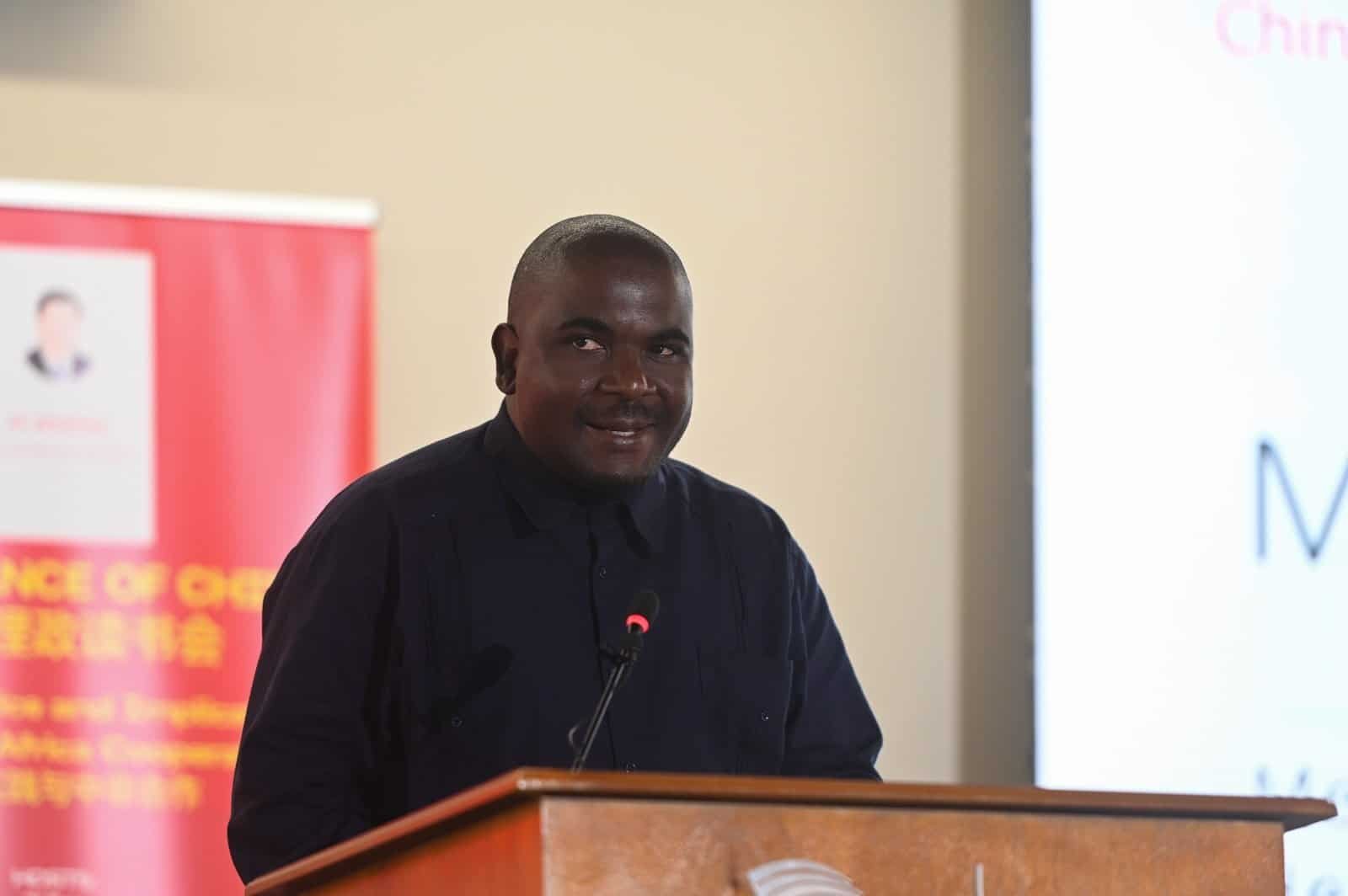
Mabuse Mpe, a member of the South African Communist Party (SACP) Central Committee and head of the Office of the SACP General Secretary, said China-South Africa cooperation must be a relationship of equals, grounded in mutual respect, mutual benefit and solidarity among countries of the Global South. It must move beyond the export of raw materials towards beneficiation, local manufacturing, skills transfer, technological cooperation and decent job creation. Exchanges among universities, think tanks, public administration institutions and political parties are indispensable to achieving these goals.
“Let us be clear. We are not here to copy China, just as China did not copy any other country. We study the Chinese experience critically and scientifically, examining both its successes and its difficulties, and take what is useful for the specific conditions of South Africa,” he said.
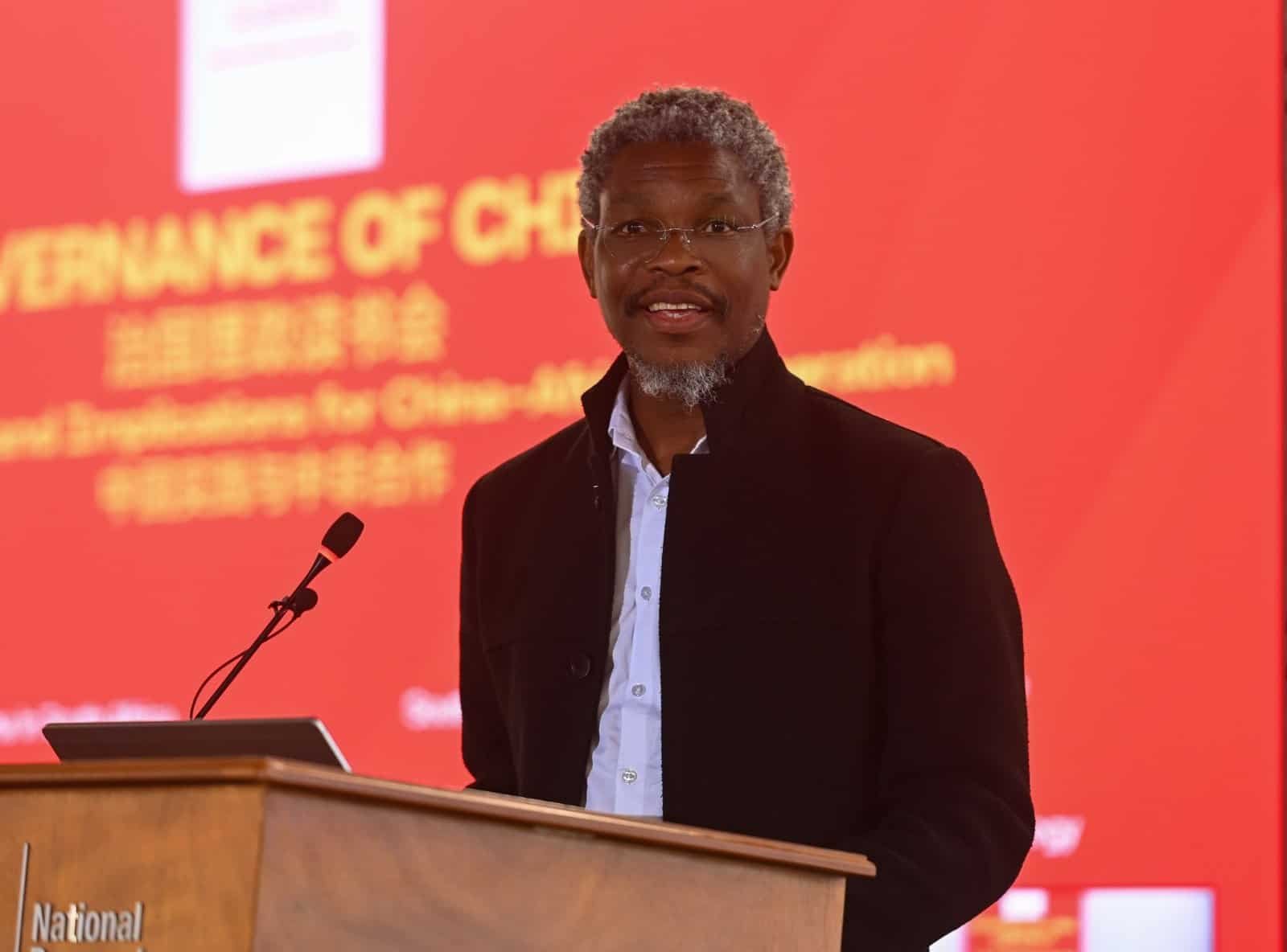
Fulufhelo Netswera, acting vice chancellor and principal of the University of Venda, stressed the importance of China-South Africa cooperation in high technology. He noted that bilateral cooperation in scientific and technological innovation could benefit people in both countries.
In 2024, the China-Africa Joint Laboratory on BeiDou Satellite Navigation System and Remote Sensing Applications was launched at the University of Venda. “This can help promote smart agriculture in South Africa,” he said.
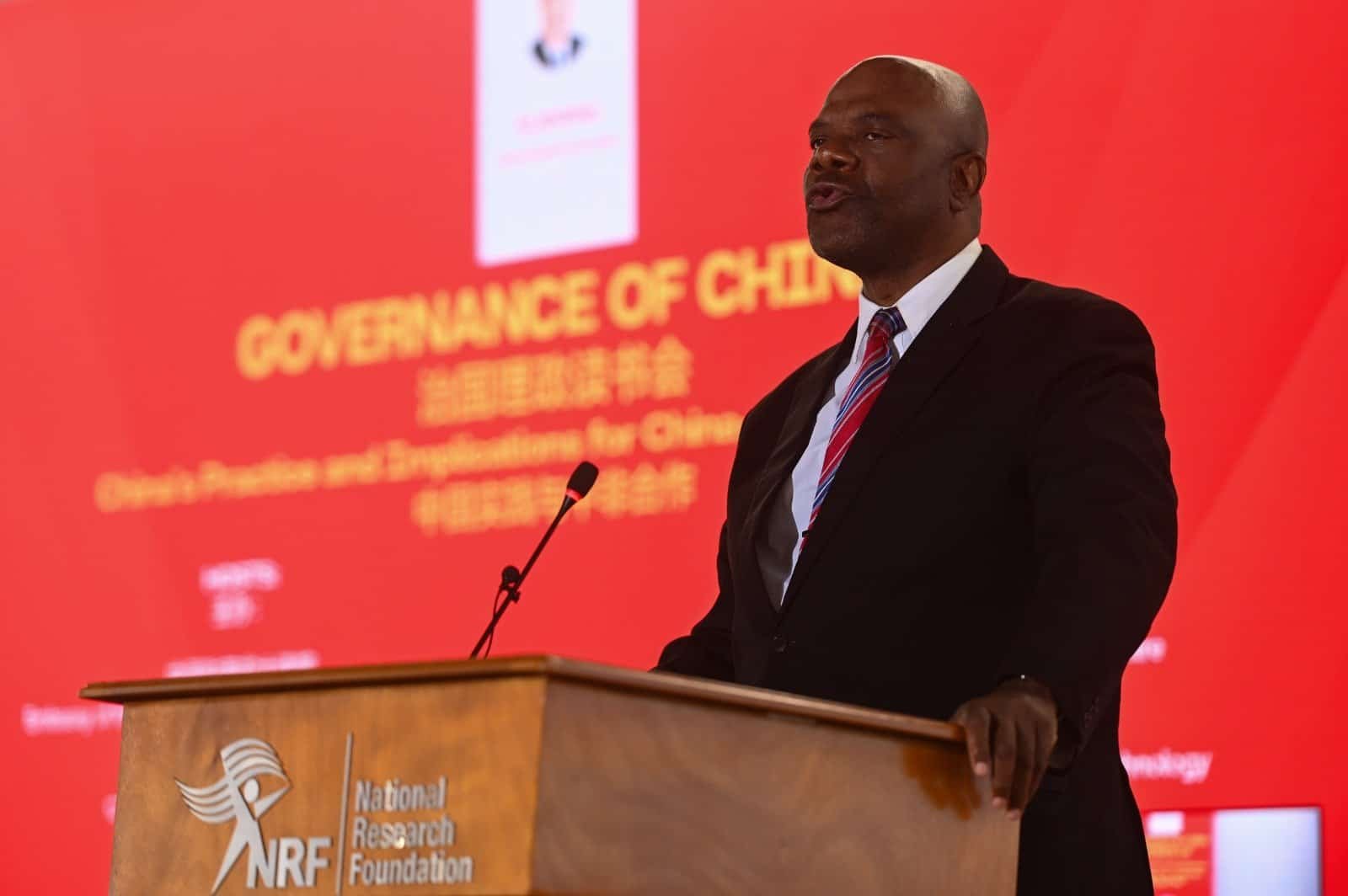
Arthur Mutambara, director and full professor at the Institute for the Future of Knowledge at the University of Johannesburg, argued that China places greater emphasis on selecting capable and knowledgeable people to govern than some African countries do. He noted that several generations of Chinese leaders had backgrounds in science, technology, economics or engineering.
“If you look at China’s leadership, you will find that nearly all Chinese leaders have expertise in chemical, civil or electrical engineering and other technical fields. China is allowing some of its best minds to run the country,” he said. “African countries should learn from China in this regard.” He also highlighted the importance of investment in education as a foundation for national development.
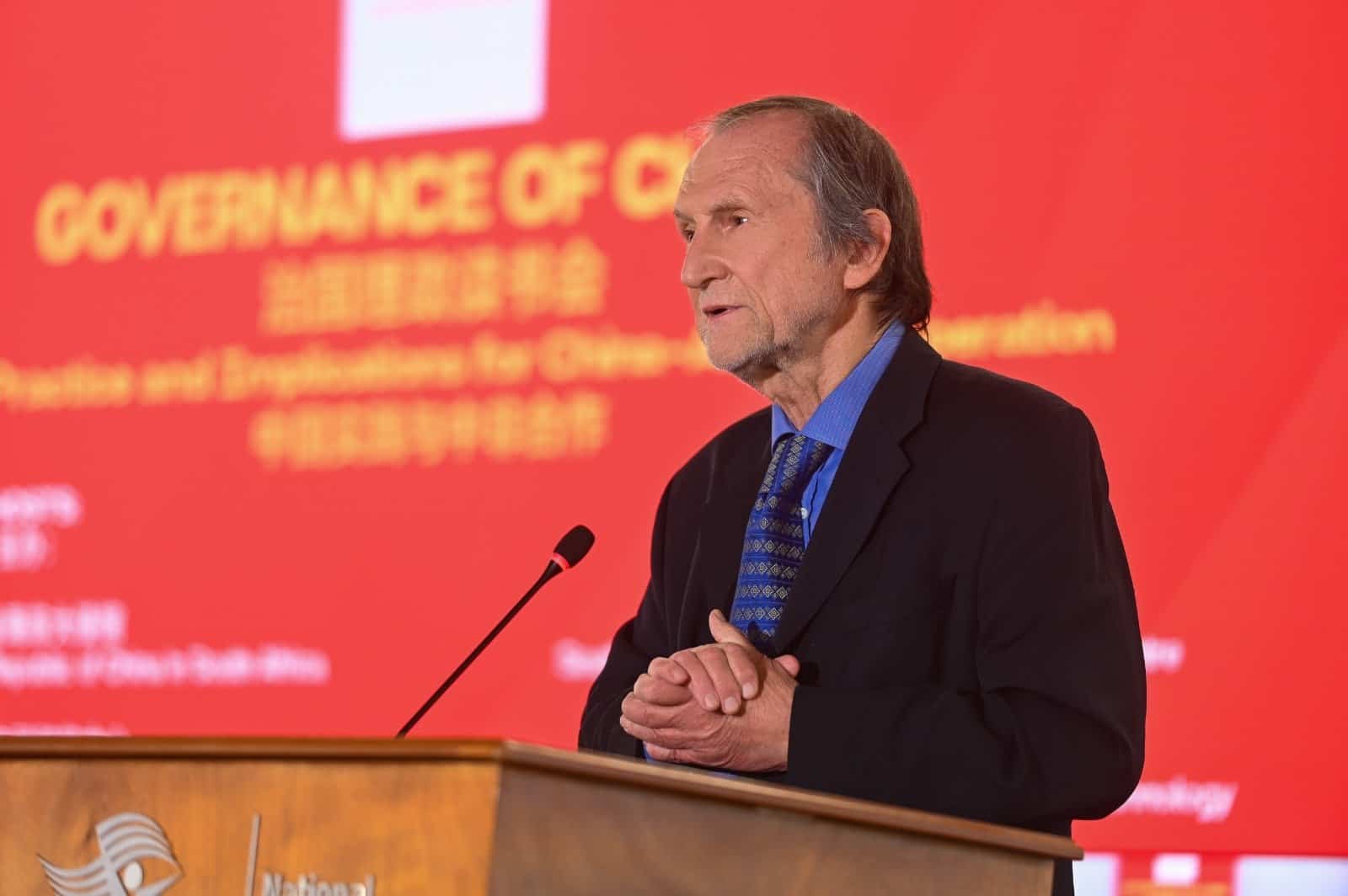
Kevin Wall, a fellow of the South African Academy of Engineering, compared urban governance practices in China and South Africa. He argued that the cultural differences between the two countries created opportunities for them to learn from each other in this field.
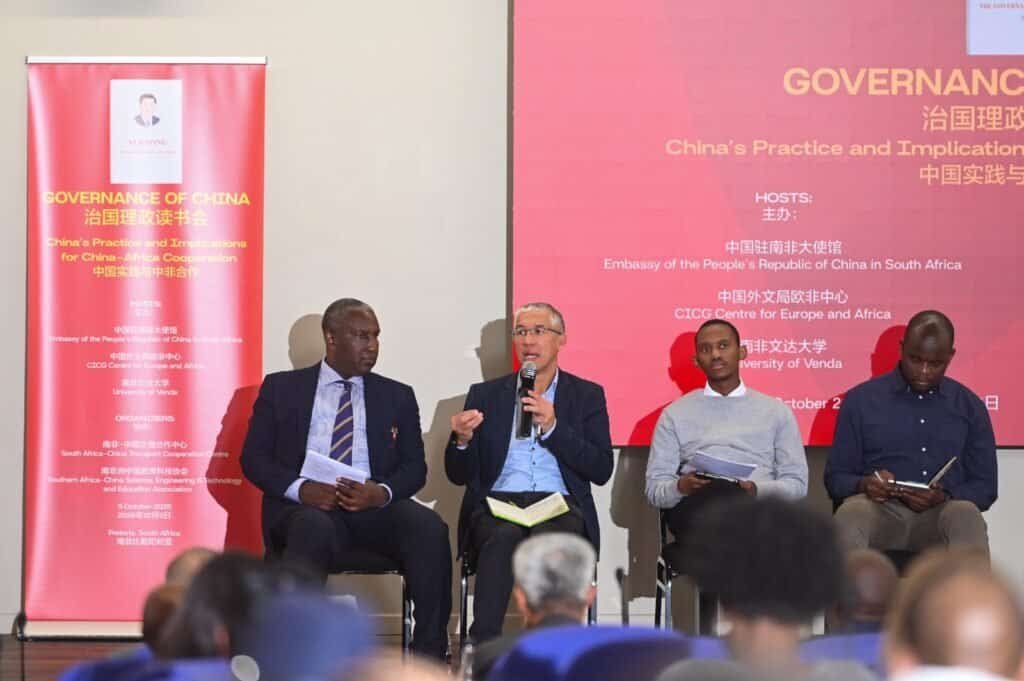
During the panel discussion, Lungile Magagula, president of the South Africa Youth Association of Global Affairs; John Bailey, CEO of Sunday World; and Sizo Nkala, a political scientist and postdoctoral fellow at the Centre for Africa-China Studies at the University of Johannesburg, discussed the importance of China-Africa cooperation in youth engagement, media and think-tank exchanges.
The seminar was jointly hosted by the Chinese Embassy in South Africa, the Centre for Europe and Africa of China International Communications Group and the University of Venda.