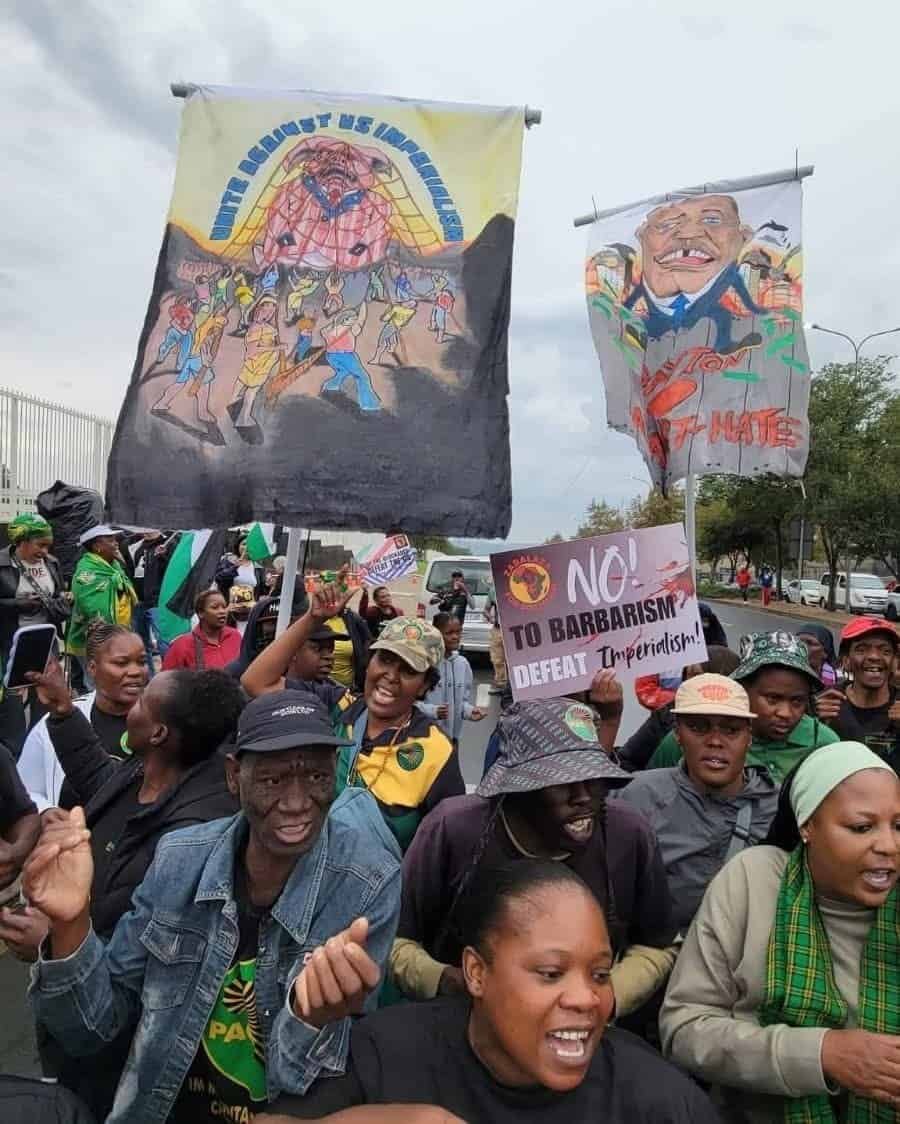
The Pan Africanist Congress of Azania (PAC) has joined growing calls for accountability following the death of 29-year-old Cartrack employee Gcina Dhladhla at the company’s Rosebank offices in Johannesburg, describing the incident as a tragedy that raises serious questions about the treatment of workers in South Africa.
The PAC expressed “deep sadness” over Dhladhla’s death and called for a full investigation by the Department of Employment and Labour. The party said it was concerned by allegations that the young woman died while under her employer’s care and demanded that all circumstances surrounding her death be thoroughly examined.
The PAC further called for accountability should any wrongdoing be found, urged that Dhladhla’s family receive support, and said the company should cover funeral expenses and provide counselling to those affected by the tragedy.
The political intervention comes as Dhladhla’s grieving family continues demanding answers from Cartrack over the events leading up to her death. According to family members, the 29-year-old call centre agent had repeatedly complained of illness, fatigue and exhaustion in the weeks before she died. They allege she submitted medical certificates and informed management about her deteriorating health but was still expected to report for duty.
Speaking to several media outlets, Dhladhla’s mother said the family believes the company must account for what happened. She alleged her daughter had been unwell for weeks and was even issued with a warning after taking sick leave despite providing a doctor’s note.
Her aunt, Nomusa Dhladhla, painted a troubling picture of the final days before her niece’s death. She said Dhladhla had submitted two sick notes in the two weeks preceding her death and frequently complained about exhaustion and workplace pressures. According to Nomusa, her niece felt trapped in the job because she had no alternative source of income.
The family further alleges that emergency medical assistance was not secured quickly enough after Dhladhla collapsed. Nomusa claimed she personally contacted a private ambulance after becoming dissatisfied with the information she was receiving from company representatives. She also alleged that a manager enquired about treatment costs at a nearby medical facility instead of prioritising emergency care.
A colleague who spoke anonymously to Sowetan described Dhladhla as visibly distressed in the days before her death. The colleague claimed she had been crying at work and repeatedly complained about being sick and exhausted while still being scheduled to work. The colleague alleged management failed to appreciate the seriousness of her condition.
However, Cartrack has strongly denied allegations that Dhladhla was prevented from going home or denied sick leave. The company said there was no indication she was unwell when she reported for duty and insisted she received immediate medical assistance after her condition became apparent.
Lauren Human, Cartrack’s director of corporate affairs, told media outlets that trained first responders attended to Dhladhla immediately, emergency medical services were called without delay, and on-site personnel used an automated external defibrillator while attempting to save her life. The company also said sensitive personal issues raised by Dhladhla outside the workplace had been handled confidentially and compassionately.
The tragedy has also drawn a response from organised labour. The South African Federation of Trade Unions (SAFTU) expressed concern over allegations that Dhladhla’s requests for sick leave and medical attention may not have been properly accommodated, stressing that sick leave is a protected right under South African labour law.
Meanwhile, the Congress of South African Trade Unions (COSATU) has called for a full investigation into the circumstances surrounding the death. The federation said allegations that Dhladhla was disciplined despite serious health concerns and that emergency medical intervention may not have been implemented with sufficient urgency raise important questions about workplace safety and employers’ duty of care.
At the centre of the controversy remains a simple question that investigators will now have to answer: whether enough was done to protect and assist a young worker who, according to her family, repeatedly said she was too ill to continue working.
As public pressure mounts, Dhladhla’s family, political parties and labour organisations are demanding an independent investigation to establish exactly what happened inside Cartrack’s Rosebank offices on the day she died.