Global mining giant Nornickel says demand for palladium could grow significantly in the coming years as new uses for the metal emerge beyond the automotive sector.
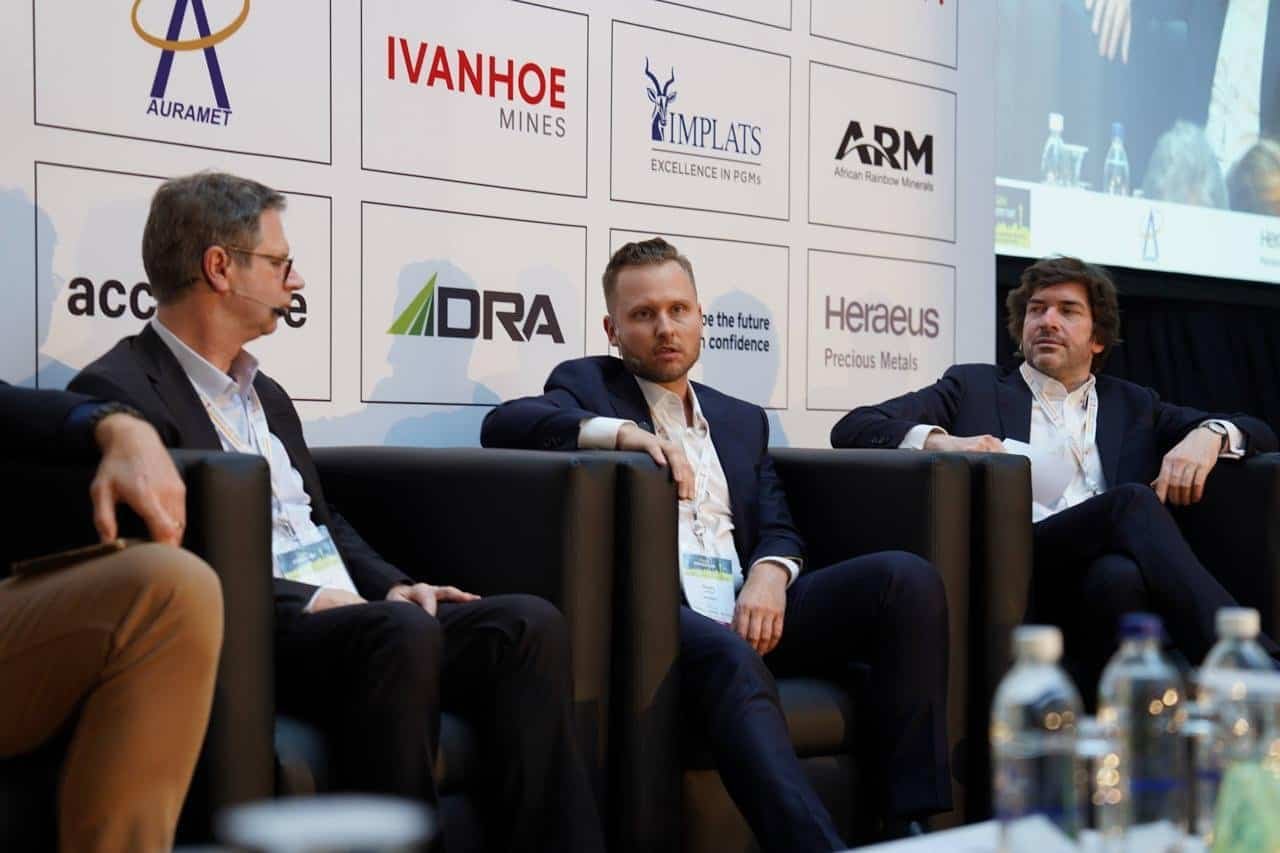
This was revealed at the PGMs Industry Day conference held in Johannesburg a few days ago, where industry leaders gathered to discuss the future of platinum group metals (PGMs).
Palladium is currently used mainly in autocatalysts – devices fitted in petrol and hybrid vehicles to reduce harmful emissions. About 80% of global demand comes from this sector. However, with the gradual shift towards electric vehicles, companies are under pressure to find new uses for the metal.
Speaking at the conference, Dmitry Izotov, director of Nornickel’s Palladium Centre, said the company is focusing on three key areas to drive future demand: solar energy, electronics and battery technology.
In the energy sector, Izotov said new-generation solar panels could create a major opportunity. Current silicon-based panels have reached efficiency limits and remain costly to produce. Nornickel is developing palladium-based materials to improve performance and reduce costs.
The company is working on technology that could increase solar panel efficiency and extend their lifespan. If successfully commercialised, this could create between 0.5 million and 1 million ounces of additional palladium demand annually by 2030.
In electronics, palladium is being positioned as a partial substitute for gold, which is widely used in circuit boards and wiring. Around 9 million ounces of gold are used in this sector each year.
Izotov said Nornickel is developing new materials that combine gold and palladium to reduce costs, as well as palladium-based alternatives to gold wiring. The growth of artificial intelligence and data centres is expected to drive demand for more advanced electronic components.
The company estimates that this sector alone could add at least 1 million ounces of palladium demand annually over the next decade.
Another area under development is lithium-sulfur batteries. These are seen as a potential alternative to lithium-ion batteries as they are lighter, cheaper and can store more energy. However, their short lifespan has limited their use.
Nornickel is developing palladium-based catalysts to improve battery performance and durability. If the technology is successfully adopted, it could generate demand of at least 1.5 million ounces of palladium per year.
The company is also using artificial intelligence to speed up the development of new materials. According to Izotov, AI allows researchers to predict how metals will behave, reducing the time needed to bring new products to market.
Nornickel launched its Palladium Centre strategy in 2023 to diversify demand away from the automotive sector. The company aims to create about 1.7 million ounces of new annual demand through new applications.
Early progress has already been made in the glass industry, where palladium is being tested as an alternative to platinum in manufacturing processes. Trials in China have shown positive results, with further testing expected this year.
In addition, palladium-based materials are being introduced in electrochemical processes such as water treatment and metal production, offering cost and efficiency benefits.
Despite the long-term shift in the automotive sector, Nornickel said the palladium market is expected to remain stable in the short to medium term. Slower-than-expected electric vehicle adoption and the continued growth of hybrid vehicles are supporting demand.
The company currently produces about 40% of the world’s primary palladium supply and has committed $100 million to developing new uses for the metal.
Industry players at the Johannesburg conference said diversifying demand will be key to maintaining stability in the palladium market as global technology and energy systems continue to evolve.