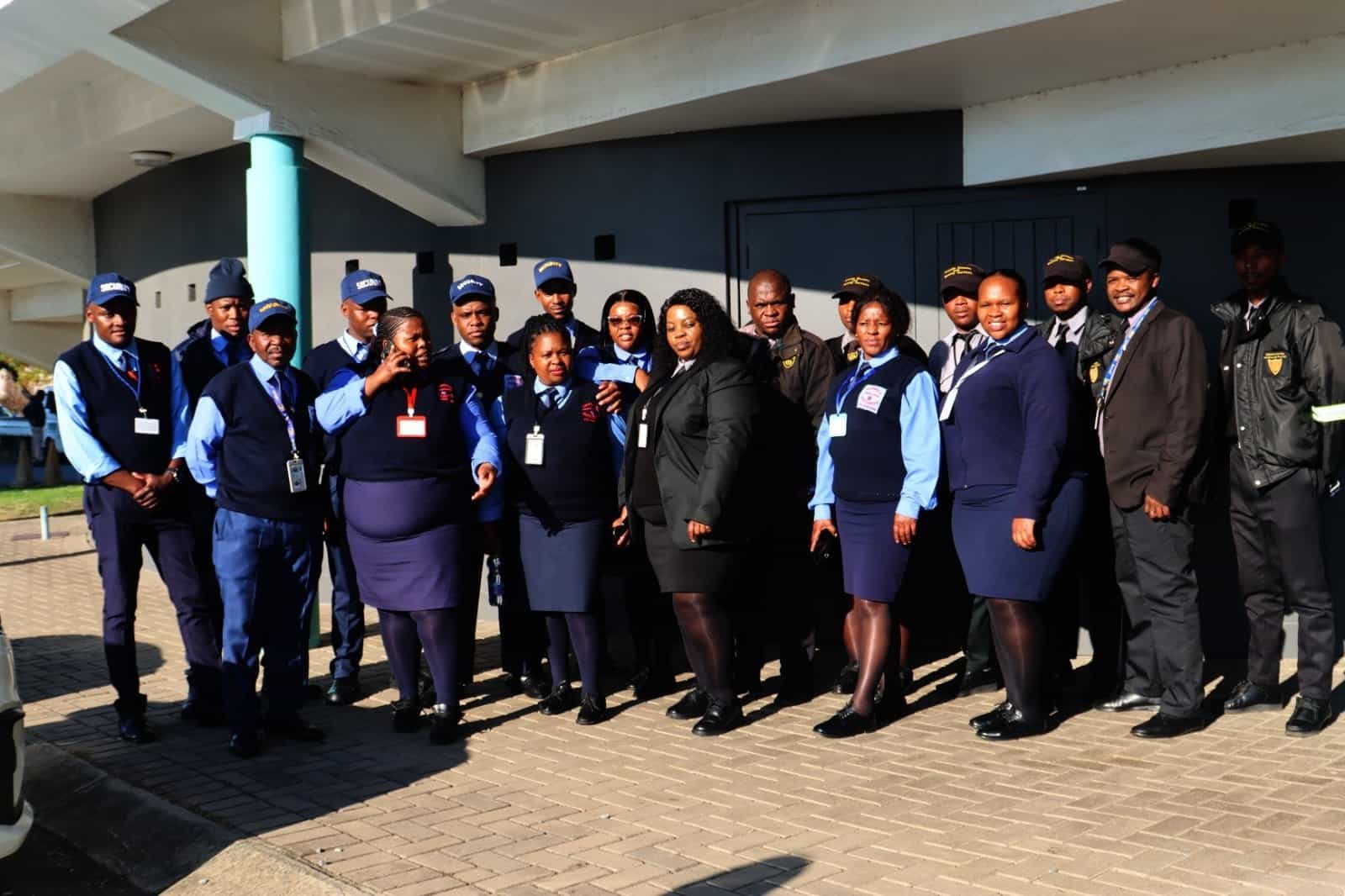
South Africa’s private security industry cannot expect healthier, more professional officers while companies struggle with late government payments, low contract prices and poor wages, the president of the Association of Private Security Owners of South Africa (TAPSOSA), Jones Maphalaphathwa, said at the launch of the organisation’s HIV, AIDS and TB Workplace Wellness Campaign in East London.
While the event on Tuesday focused on healthcare, Maphalaphathwa used the platform to highlight what he described as the industry’s deeper structural problems, arguing that improving workers’ health also requires improving their economic conditions.
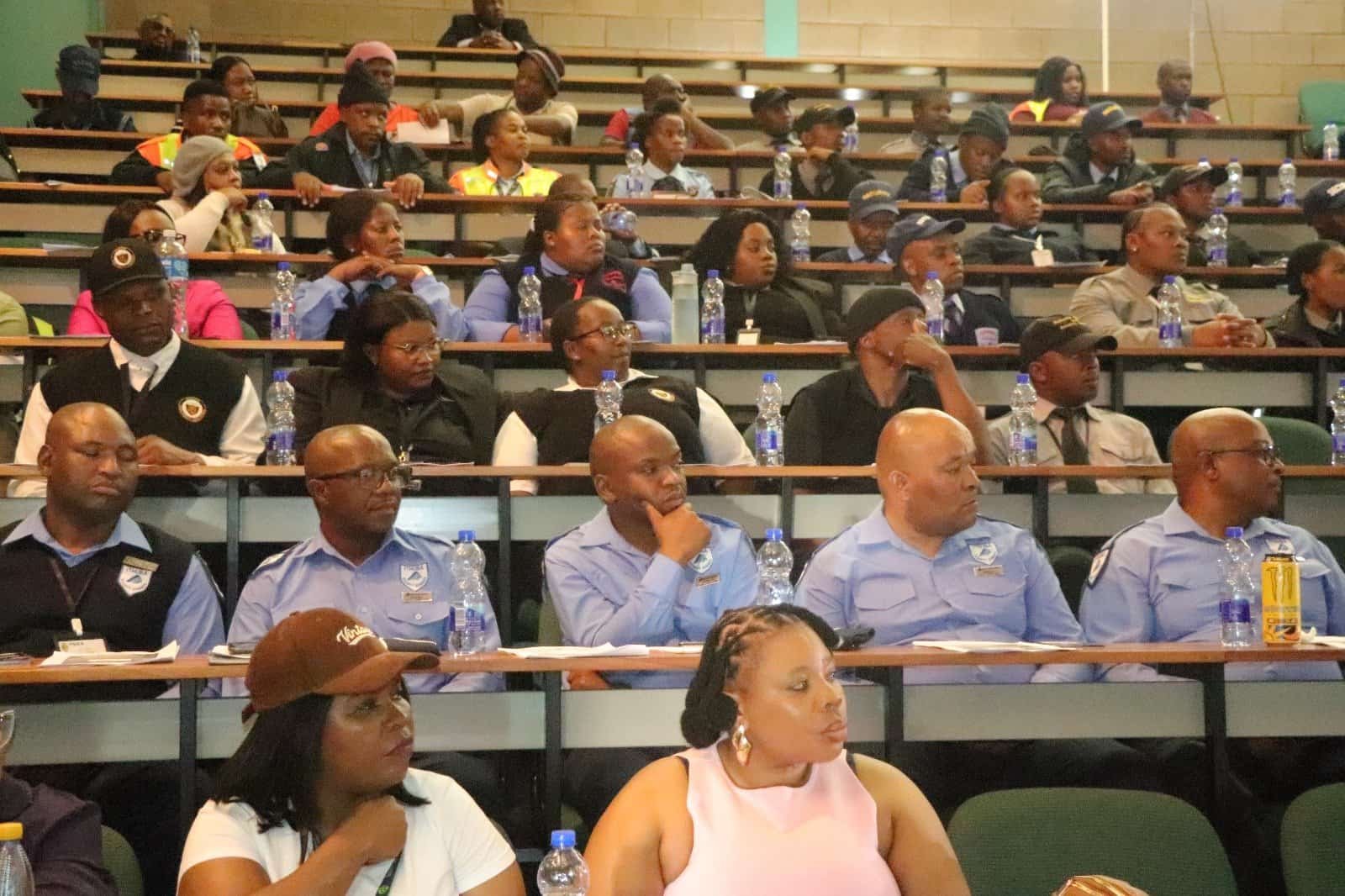
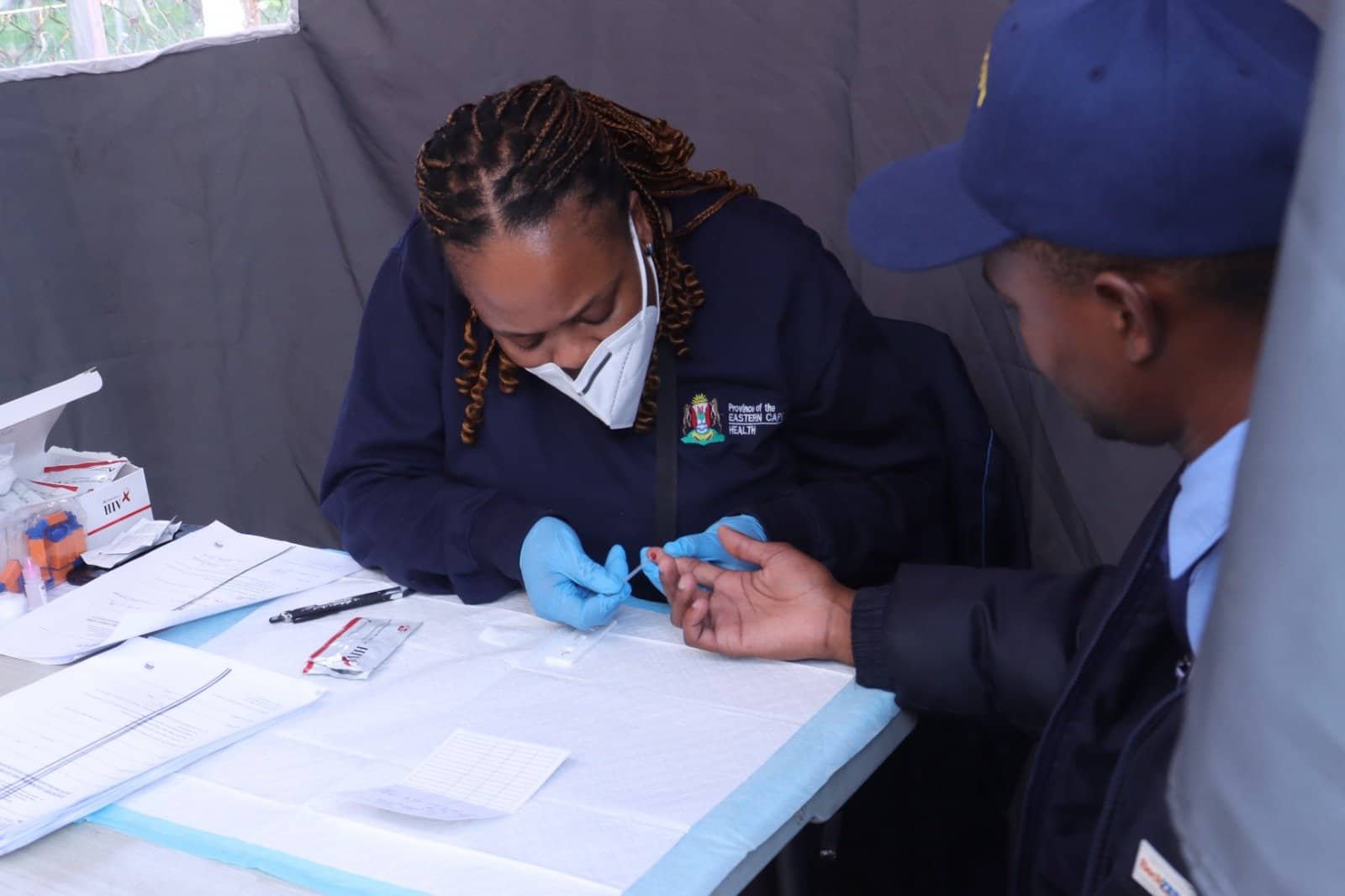
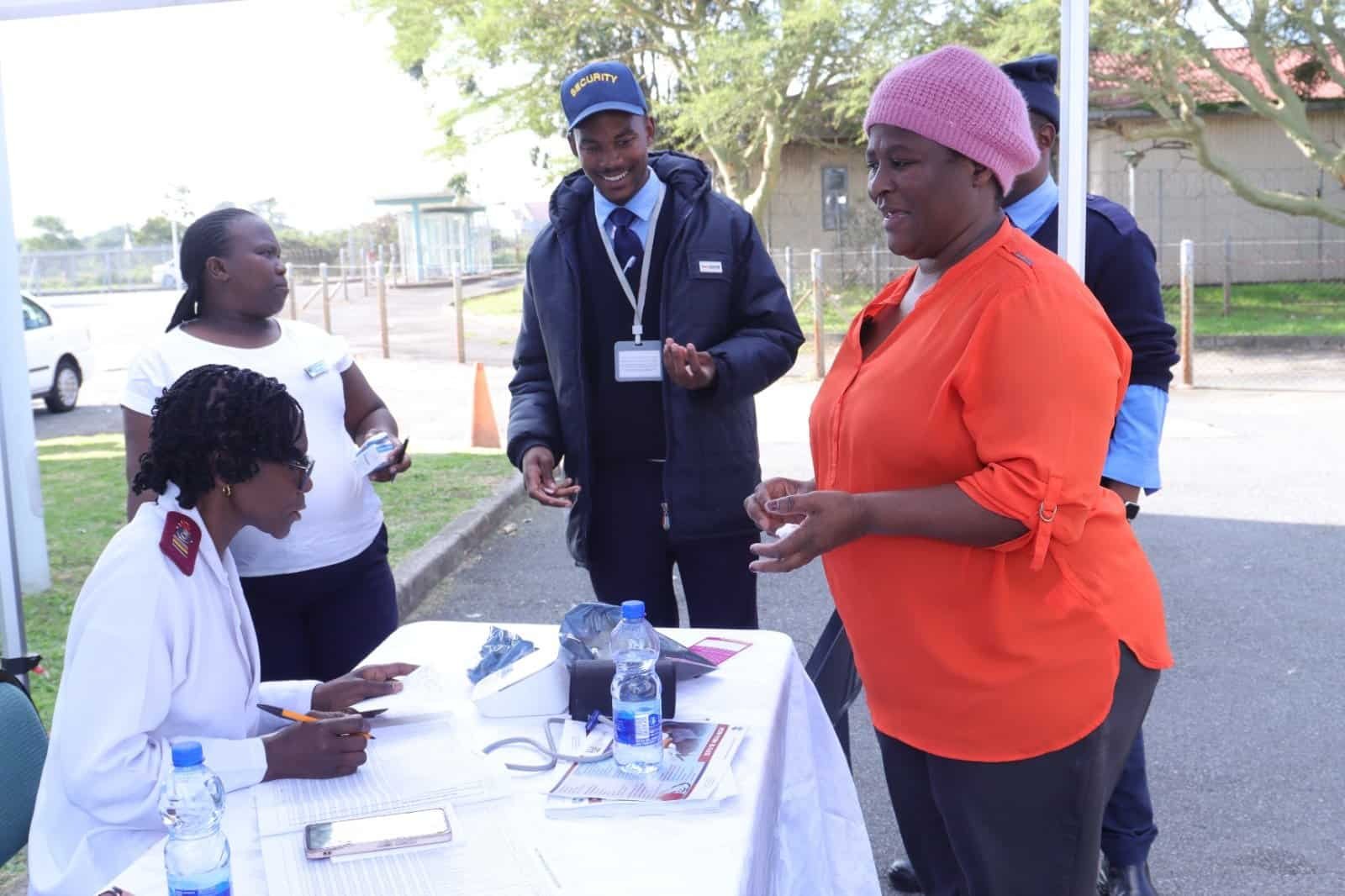
More than 200 uniformed security officers attended the launch, where they underwent HIV and TB screening, blood pressure checks, counselling and other health assessments conducted by healthcare professionals from the Eastern Cape Department of Health. The officers, whom TAPSOSA described as workplace wellness ambassadors, also received education on chronic illnesses and disease prevention.
The initiative forms part of TAPSOSA’s national wellness programme, supported by the Safety and Security Sector Education and Training Authority (SASSETA), which aims to bring healthcare directly to security officers whose demanding work schedules often prevent them from accessing clinics during normal operating hours.
But Maphalaphathwa said health programmes alone would not solve the industry’s problems.
“The fight has always been bigger than healthcare,” he said.
“We are saying pay the security companies on time, and pay them enough so that they are able to pay salaries that allow security officers to look after themselves, their families and their health.”
He said delayed payments and underpriced security contracts have left many companies battling to meet payroll, ultimately affecting the wellbeing of thousands of officers.
‘We came from the same struggle’
Reflecting on his own journey, Maphalaphathwa said he understands the hardships faced by security guards because he once wore the uniform himself.
He explained that after struggling to find employment as a qualified journalist, he entered the private security industry as a security officer before eventually establishing his own business.
He said TAPSOSA was founded in 2016 by employers who had themselves experienced exploitation while working in the industry.
“We believed that if we became employers ourselves, we could build companies that treated security officers with dignity instead of exploiting them,” he said.
He was elected president of the association in 2020.
Maphalaphathwa said many security business owners are former guards who understand the realities of low wages, difficult working conditions and limited opportunities.
“I have no right to exploit people who are my brothers, sisters and neighbours. When I go home, I must be able to look them in the eye.”
Industry still faces exploitation
Despite employing an estimated 640,000 active security officers, far more than the number of police officers in South Africa, Maphalaphathwa said the private security industry continues to be misunderstood and undervalued.
He accused some officials and stakeholders of failing to appreciate the financial realities facing compliant security companies.
According to Maphalaphathwa, businesses face rising compliance costs while competing for contracts that often leave little room to pay decent salaries.
He also claimed TAPSOSA has been sidelined from salary negotiations because it advocates for better wages for security officers.
“They know when we are at the table we will fight for better salaries for workers,” he said.
Until officers receive salaries that enable them to care for themselves and their families, he argued, the industry will struggle to become fully professional.
Warning against political promises
Maphalaphathwa also questioned recurring calls for the government to insource private security services, saying the proposal is often revived during election periods.
He argued that the government already faces severe financial constraints and could not realistically absorb hundreds of thousands of private security workers into the public service.
“The private security industry has created hundreds of thousands of jobs,” he said.
“Our responsibility is to preserve those jobs while improving conditions for those who protect our communities every day.”

Government official earns praise
One of the event’s keynote speakers, Eastern Cape Department of Health representative Monwabisi Cobongela, received rare praise from Maphalaphathwa for what he described as a genuine understanding of the industry’s challenges.
Cobongela thanked TAPSOSA and SASSETA for recognising that security officers deserve dedicated healthcare programmes despite often being overlooked.
He acknowledged that while many people assume security companies are highly profitable because of the value of government contracts, few understand the significant operational and compliance costs involved.
Security services, he said, remain one of the country’s most tightly regulated industries.
Cobongela also recognised the vital role private security officers play in protecting public health facilities, allowing healthcare professionals to focus on delivering medical services.
Healthcare brought to the workplace
TAPSOSA spokesperson Sindiswa Changuion said the campaign was born out of the reality that security officers often work exhausting 12-hour shifts, travel between multiple sites and rarely have time to visit healthcare facilities.
Instead of expecting workers to seek healthcare on their own, the association decided to bring medical services directly to workplaces.
The programme includes voluntary HIV testing, TB screening, blood pressure monitoring, chronic disease assessments and counselling.
It also introduces a nationwide network of more than 1,000 peer ambassadors, selected from within the security industry to educate colleagues, reduce stigma around HIV and TB and encourage treatment adherence.
“The response has been overwhelming,” Changuion said.
“Many officers told us this was the first time in years they had received a professional health screening. They finally feel seen and valued.”
Positive response from workers
National coordinator Jackson Simon described the Eastern Cape launch as exceeding expectations.
Employers across the province supported the initiative by releasing officers to attend the programme, something Simon believes demonstrates growing recognition that employee wellness strengthens the industry.
Security officers who attended welcomed the campaign, saying it was encouraging to see organisations investing in their health and wellbeing.
Health Department clinical services representative Busi Jele educated attendees about chronic illnesses, while ASL facilitator Lulu Holweni led discussions on HIV, AIDS and TB awareness.
Following launches in Johannesburg and East London, TAPSOSA said the campaign will continue its national rollout with upcoming events in Limpopo and the North West, as it seeks to place the health, and dignity, of South Africa’s private security officers at the centre of the industry’s future.