The President of Mozambique, Daniel Chapo, has strongly condemned the growing phenomenon of vigilante justice, calling it a serious threat to life, public order, and the integrity of the rule of law.
Speaking during the inauguration of a new court in Chibabava, Sofala province, the Head of State urged citizens to seek justice through legal channels and refrain from taking the law into their own hands.
“The inauguration of this judicial institution prompts us to reflect on a troubling issue in our society: so-called ‘justice by one’s own hands’,” said President Chapo. “This is an act committed by individuals or groups who, outside of the law and state authority, take it upon themselves to judge and punish alleged wrongdoers.”
The President warned that these acts of vigilante justice often result in serious physical and psychological harm to the victims and, in some tragic cases, the loss of life. He stressed that no citizen has the right to judge or punish another without due legal process.
“We must reject this form of violence and commend those who stand firm in favour of law and order,” he declared. “Mozambique is a democratic state governed by the rule of law. When our rights are violated or crimes are committed, we must turn to the appropriate institutions — the courts, the Prosecutor’s Office, the National Criminal Investigation Service (SERNIC), and the Republic of Mozambique Police.”
President Chapo acknowledged that, in moments of personal grievance — such as theft, assault, or betrayal — people may feel driven by anger and a desire for revenge.
“These emotions are natural, but under no circumstance should they lead us to take another person’s life or to carry out vigilante actions,” he warned adding “these actions do not solve problems; they create a cycle of violence that can tear communities and families apart.”
He cited Mozambique’s own history as a cautionary example, recalling past instances of mob justice that resulted in innocent lives being lost. “There were times when people were burnt alive under the suspicion of guilt, only for the truth later to reveal their innocence. Life, once taken, cannot be restored.”
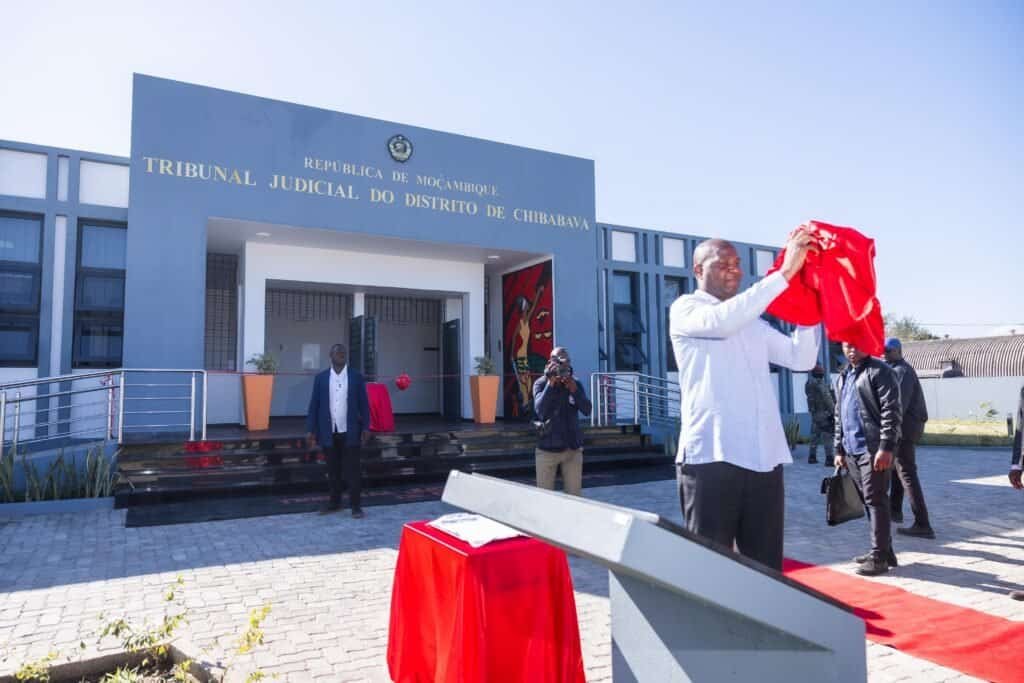
Referring to recent tragedies, Chapo highlighted the brutal killing of a 10-year-old girl, known affectionately as “Aninha,” in the Dondo district, and expressed grave concern over the rising number of femicides in Sofala.
In the first quarter of 2025 alone, six women were reportedly killed by their partners, double the number recorded in the same period last year.
One of the most disturbing cases occurred in Beira’s 15th Bairro of Chungussura, where a young woman was murdered by her boyfriend and buried in the yard, with her body hidden for nine months.
“These are heinous crimes that must be unequivocally condemned. No Mozambican should condone or tolerate such acts,” said the President. “We must protect our children — ‘flowers that never wither’ — and our youth — the lifeblood of the nation.”
Chapo reiterated the government’s commitment to justice through the implementation of strategic actions under its 2025 Economic and Social Plan, including: legal assistance for approximately 300,000 economically disadvantaged citizens; civic education campaigns to strengthen legal awareness; revitalisation of community courts to resolve local disputes; human rights training for community leaders; and reducing the average time for resolving legal disputes to six months.
“These initiatives aim to expand access to justice and strengthen human rights protections,” said the President as “part of our broader vision for a just, peaceful, and democratic Mozambique.”
Chapo concluded by applauding the judiciary, civil society, faith-based organisations, and community leaders for their dedication to fighting social ills, promoting human rights, and preventing the spread of vigilante violence.
“The courts must also help instil moral values and respect for human life. Justice belongs to the institutions. Let us preserve our harmony and resolve conflicts through dialogue, never violence,” he said.