A sprawling web of alleged cyber fraud has been dealt a major blow after the National Prosecuting Authority’s Asset Forfeiture Unit (AFU) moved to freeze nearly R44 million in luxury assets tied to an international call centre syndicate operating from Johannesburg.
In a decisive strike against organised crime, the Gauteng Division of the High Court in Johannesburg granted a provisional restraint order in February 2026, paving the way for authorities to clamp down on what investigators describe as a sophisticated global scam network. The order followed the arrest of suspects in January, believed to be at the centre of the operation in the upmarket suburb of Bryanston.
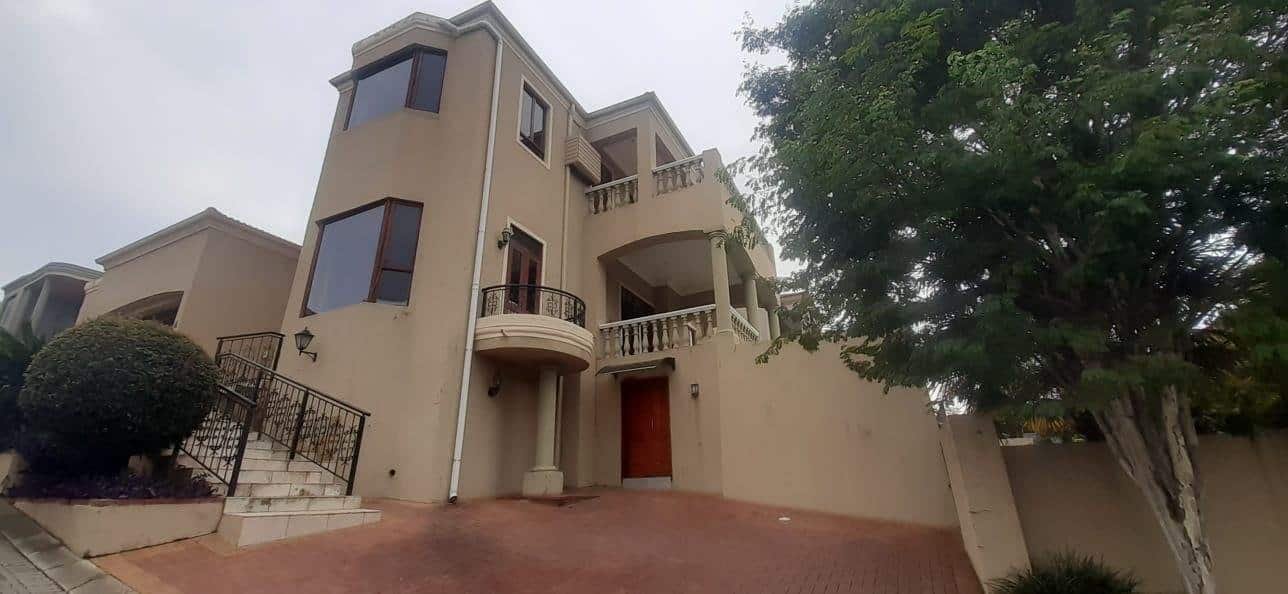
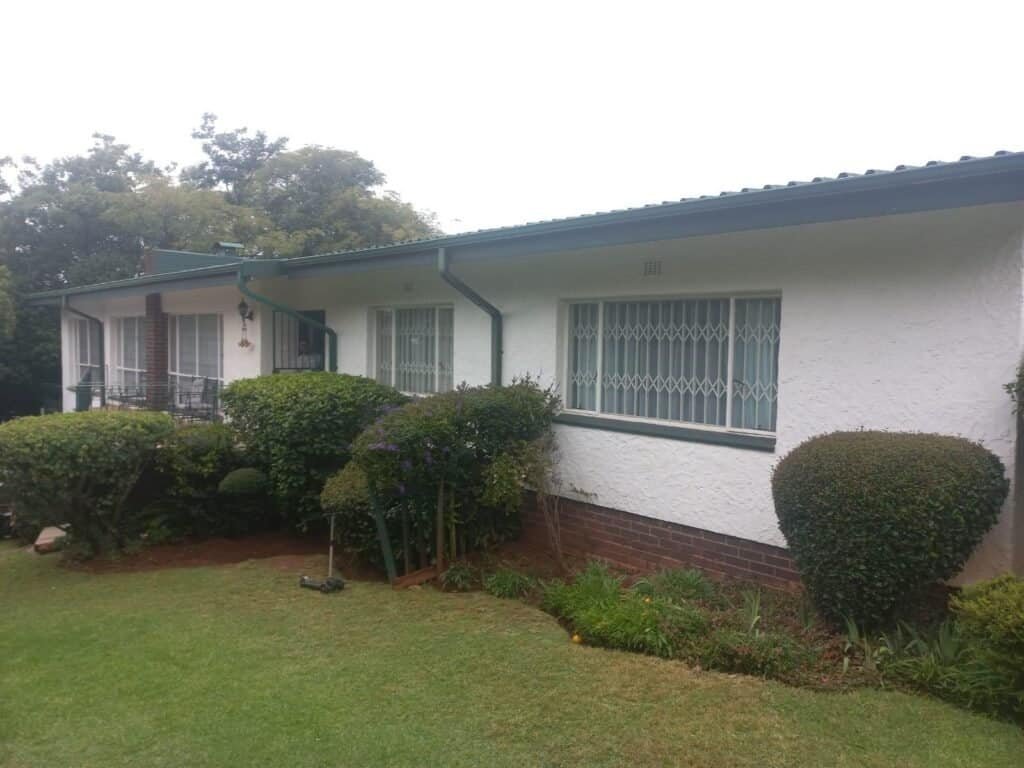
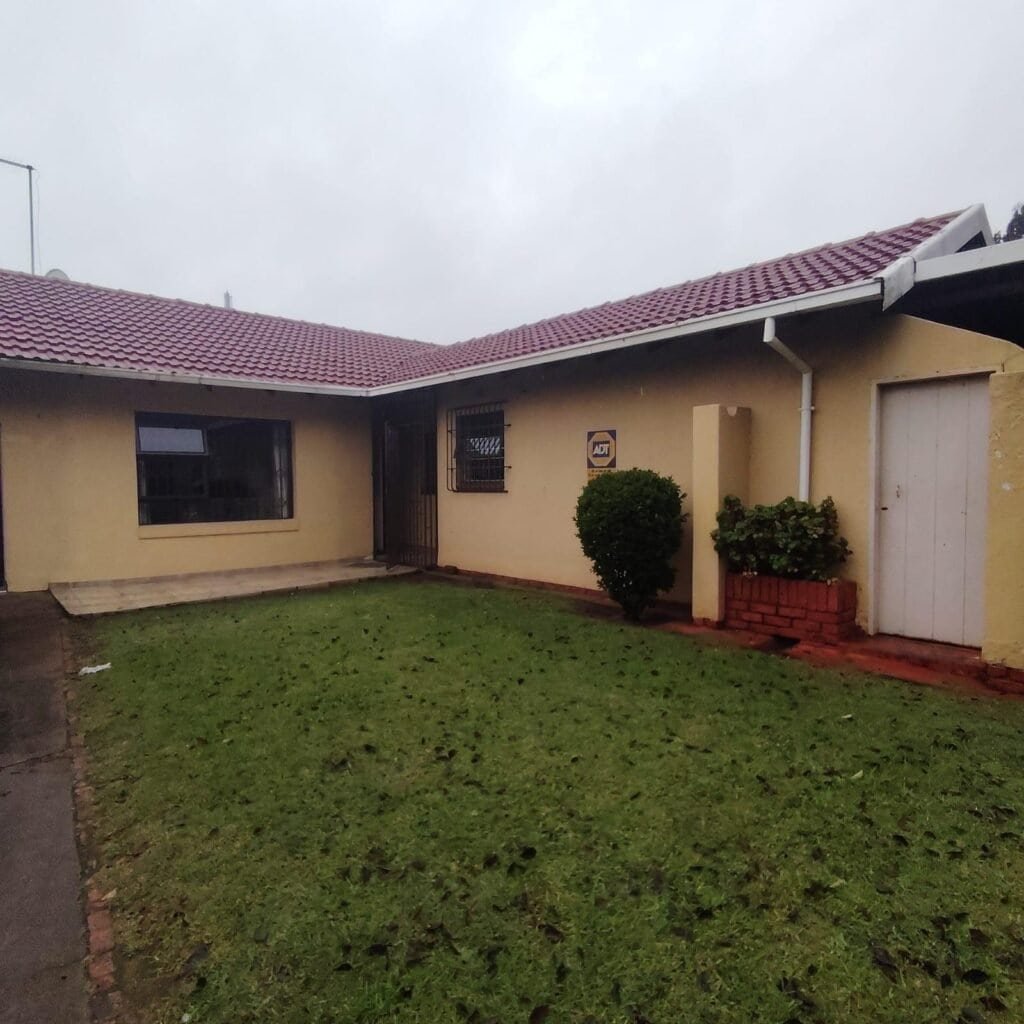
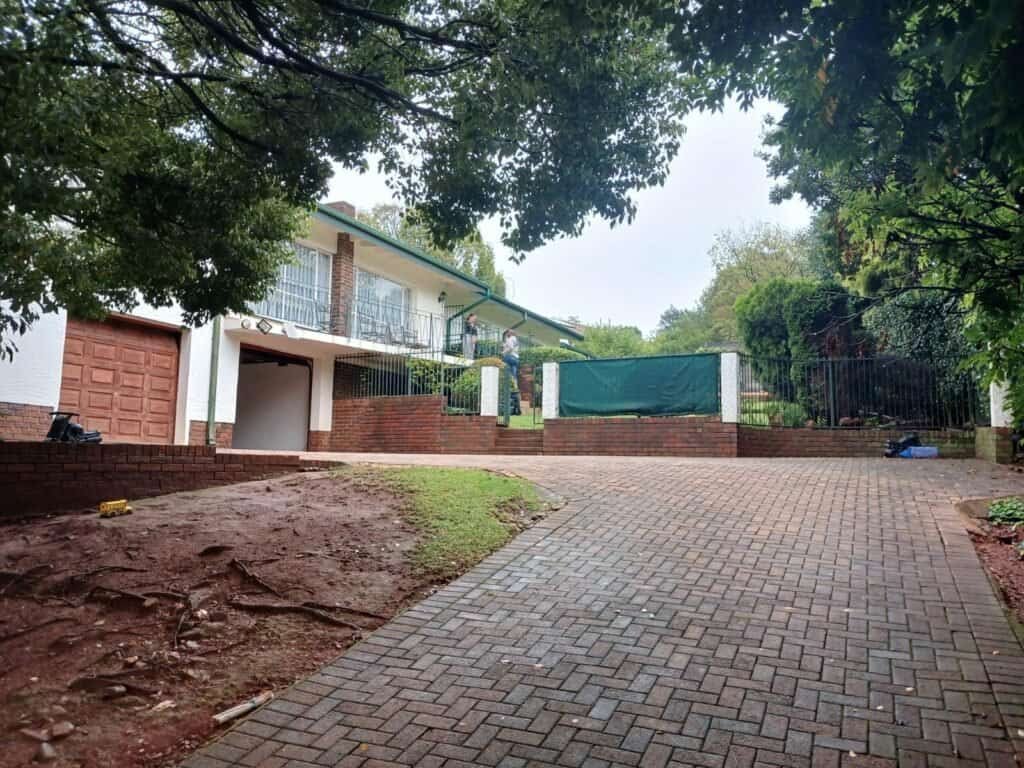
What emerged in the wake of the arrests is a picture of opulence allegedly funded through deception. Investigators have identified a portfolio of high value properties scattered across Gauteng, some worth more than R3 million, alongside a collection of luxury vehicles that reads like a showroom floor of elite motoring.
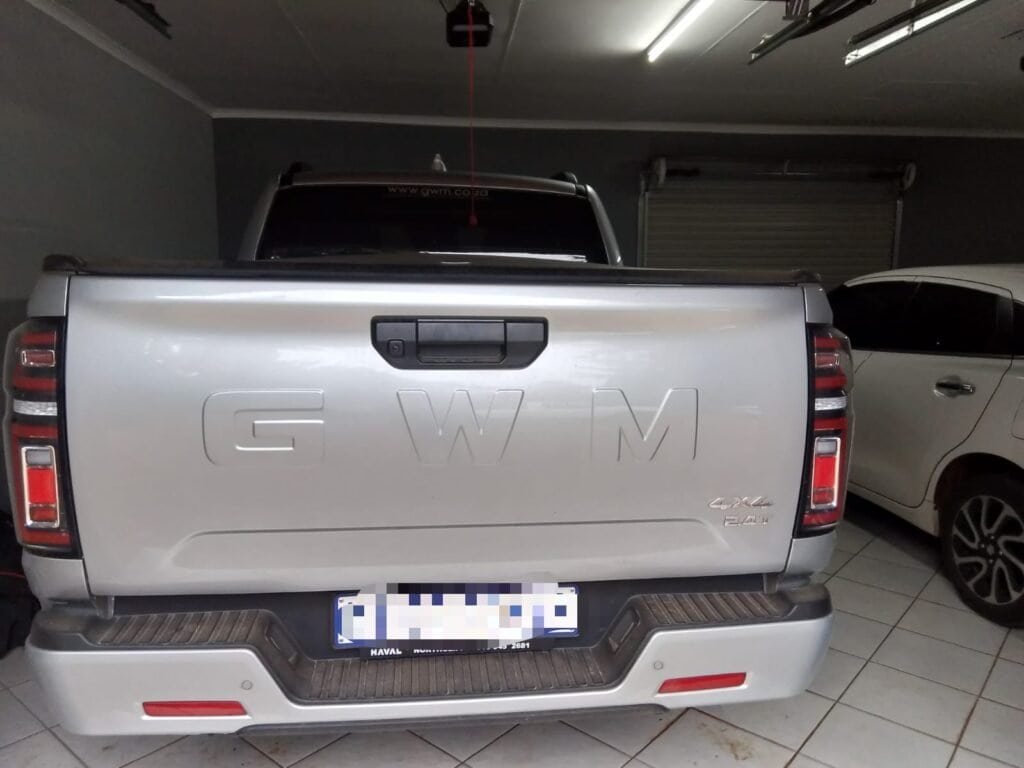
Among the seized assets are a Mercedes-Benz A45S AMG, an Aston Martin DB9, a Volkswagen Golf 8 GTI, a Toyota Fortuner, a Jaguar E-Pace, a Ford Ranger and a Toyota Hilux. In total, the restrained assets are valued at approximately R43.9 million.
On Tuesday, enforcement teams fanned out across Gauteng in a coordinated operation to execute the court order. Sheriffs, backed by the Asset Forfeiture Unit, the Directorate for Priority Crime Investigation and appointed auctioneers, descended on multiple properties to take control of the assets.
Several vehicles were swiftly removed and placed into secure storage, where they will remain until the criminal case is concluded. If the state succeeds in its prosecution, the assets could ultimately be forfeited.
Behind the luxury lifestyle, authorities allege, lies a calculated scheme designed to exploit trust and desperation across continents. Evidence presented in court suggests the syndicate operated a network of fraudulent call centres targeting victims in countries including Australia, New Zealand, Canada and the United States.
The operation allegedly relied on digital bait. Fake online advertisements were used to lure unsuspecting individuals, many of whom were searching for investment opportunities. Once contact was made, call centre agents posed as financial advisors, promising lucrative returns on investments that did not exist.




Investigators say the scheme went beyond simple deception. Victims were reportedly groomed over time, with agents building relationships and credibility before persuading them to part with their money. The result was a steady flow of funds into the hands of the syndicate, while victims were left with devastating financial losses.
Authorities believe the operation has links to an international network, with indications that it was orchestrated by individuals connected to Israel. The scale and reach of the alleged scam point to a highly organised structure, capable of targeting victims across multiple jurisdictions.
The case is now before the Palm Ridge Magistrates’ Court, where proceedings have been postponed to 4 June 2026 to allow investigators to continue building their case.
For the Asset Forfeiture Unit, the restraint order marks a critical step in dismantling the financial backbone of the operation. By freezing assets early, authorities aim to prevent suspects from benefiting from alleged criminal proceeds and to secure those assets for possible recovery by the state.
The National Prosecuting Authority has emphasised that the breakthrough is the result of close collaboration between specialised units, including the Directorate for Priority Crime Investigation and the Specialised Commercial Crime Unit.
As the investigation continues, officials say the message is clear. South Africa is not a safe haven for international cybercrime syndicates, and those who exploit vulnerable people for profit will face the full might of the law.