The Special Investigating Unit (SIU) has scored a significant legal victory after the Special Tribunal set aside the controversial R85 million Mozambique border wall tender, in a judgment that sharpens scrutiny on government procurement failures and political accountability.
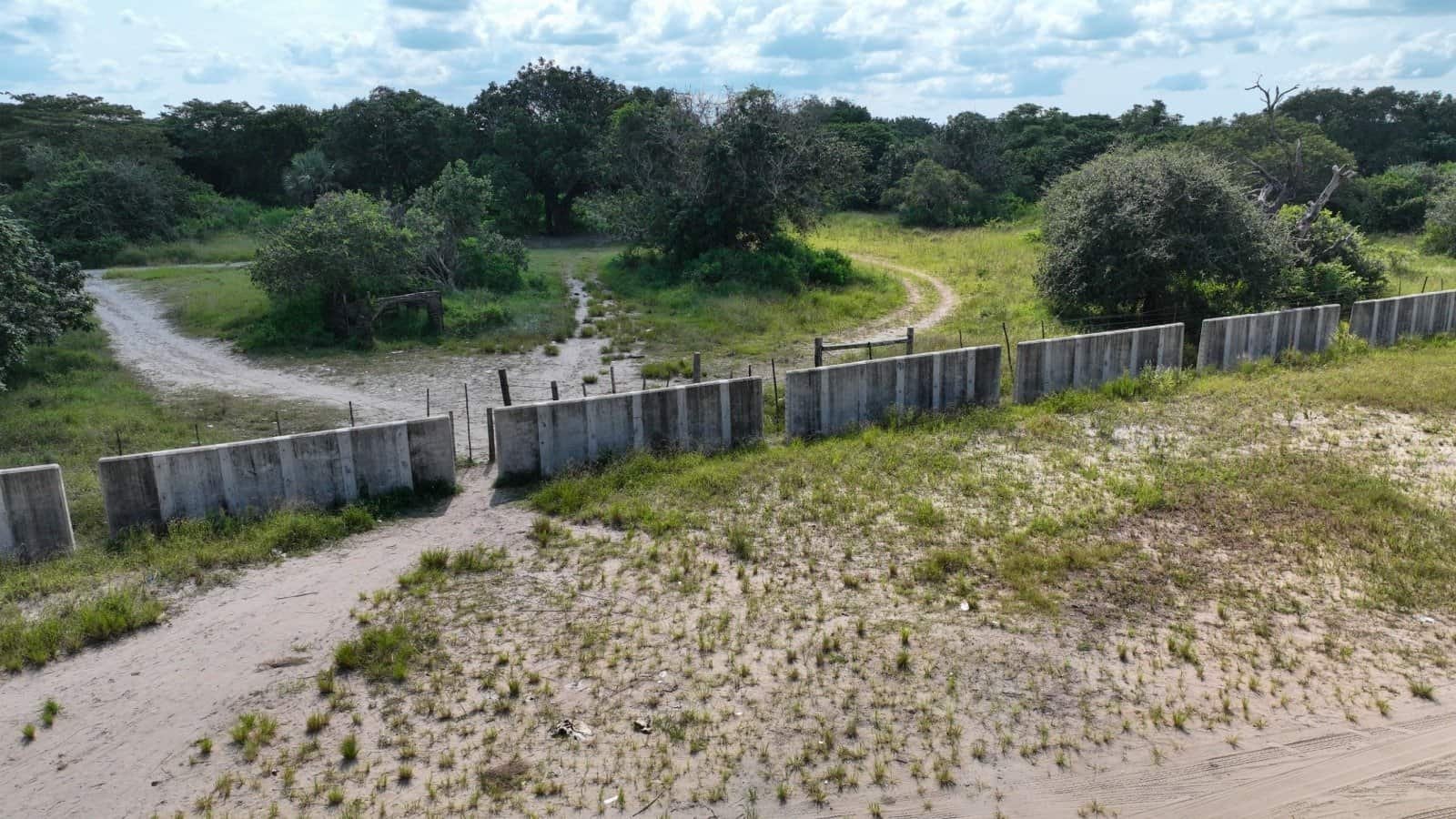
At the centre of the ruling is the KwaZulu-Natal–Mozambique border barrier project, commissioned by the KwaZulu-Natal Department of Transport as part of efforts to clamp down on cross-border crime, including the trafficking of stolen vehicles. Instead, the project has unravelled into yet another example of how urgent public safety interventions can be undermined by irregular tender processes and weak oversight.
The Tribunal found that the ISF Shula Joint Venture, which was awarded the contract, failed to meet basic compliance requirements and relied on fraudulent documentation to secure the deal. Despite receiving R84 million from the state, the contractor completed only 5.29km of the planned 8km wall, leaving taxpayers to foot an additional R62 million bill to finish the job through a new tender.
The findings go beyond technical non-compliance. They point to systemic weaknesses in how contracts are awarded and monitored at a provincial level, raising questions about political oversight within the department during the period under investigation.
The SIU, acting under a proclamation issued by President Cyril Ramaphosa, uncovered that the Joint Venture used a fraudulent B-BBEE certificate, submitted an expired Letter of Good Standing, and failed to demonstrate the financial capacity required for a project of this scale. These are not minor administrative lapses, but red flags that should have disqualified the bidder at the outset.
SIU spokesperson Selby Makgotho on Friday said the ruling affirms the Unit’s findings and sends a clear signal that the state is prepared to act against procurement abuse.
“This judgment reinforces the principle that public procurement must be fair, transparent, competitive and cost-effective,” Makgotho said.
Politically, the ruling adds pressure on provincial authorities to account for how the tender was awarded in the first place. While the Tribunal’s focus was on the legality of the contract, the broader implications point to governance failures within the KwaZulu-Natal Department of Transport, particularly in its bid evaluation and due diligence processes.
The SIU has now been authorised to recover all profits made by the Joint Venture from the contract. An independent expert will be appointed to quantify the amount, with the possibility of the matter returning to the Tribunal if disputes arise. The contractor has also been ordered to pay legal costs.
Beyond financial recovery, the SIU indicated that any evidence of criminal conduct will be referred to the National Prosecuting Authority (NPA), opening the door for potential prosecutions.
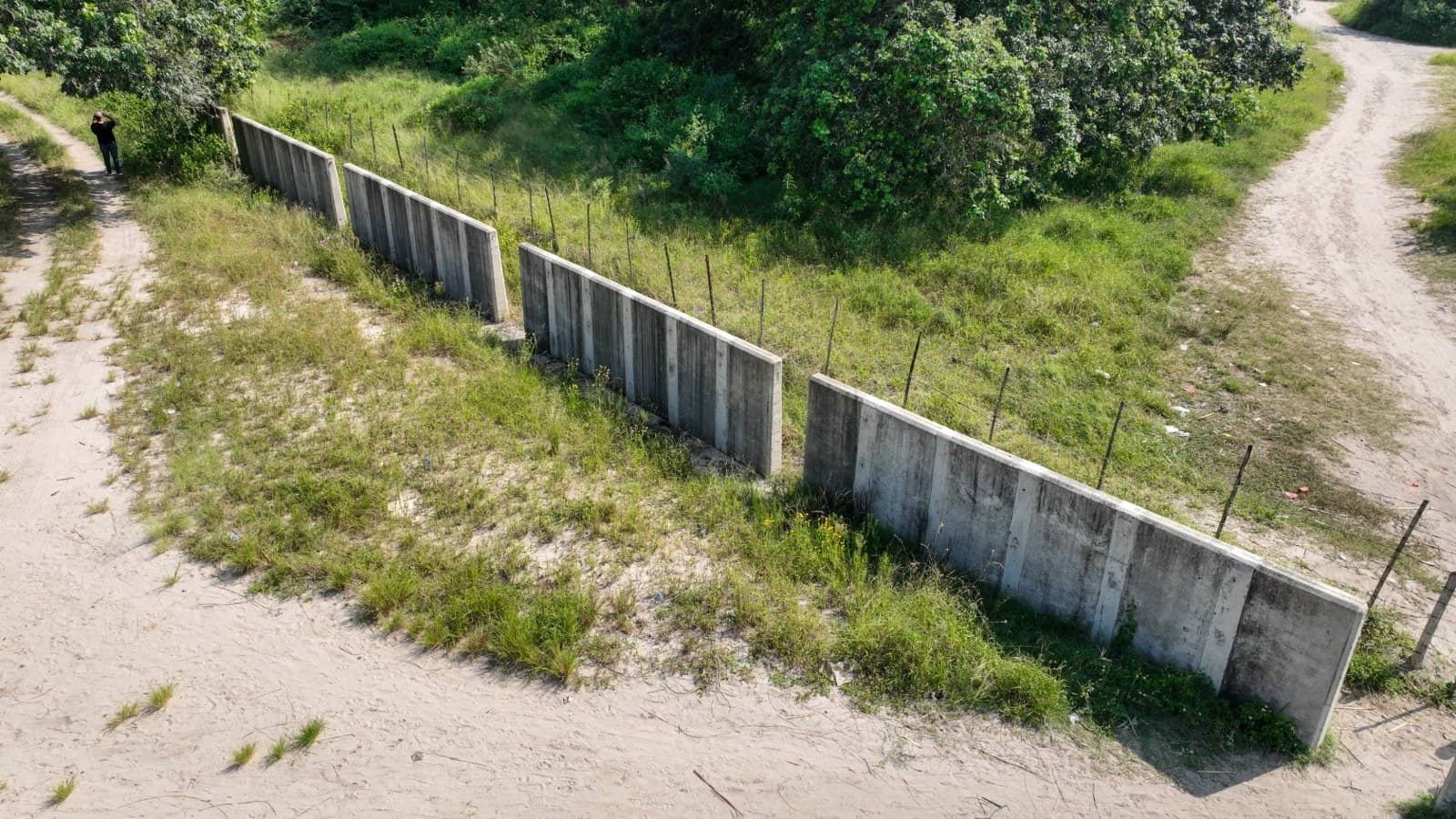
The case lands at a time when public trust in state procurement systems remains fragile, with repeated scandals across sectors exposing gaps between policy and implementation. The border wall project, initially framed as a critical intervention to curb organised crime, has instead become a case study in how corruption and maladministration can derail state priorities.
For the Ramaphosa administration, the ruling offers both vindication and a challenge. While it underscores the role of institutions like the SIU in holding the line against corruption, it also highlights the persistence of governance failures within provincial structures that fall under the broader ambit of the national government.
The Tribunal’s decision reinforces a growing legal and political trend: that irregular contracts will not only be scrutinised but reversed, with financial consequences for those who benefit unlawfully. However, the effectiveness of this approach will ultimately depend on whether accountability extends beyond companies to include officials who enabled or overlooked the irregularities.
As the SIU moves to recover millions in public funds, attention is likely to shift to whether disciplinary or criminal action will follow against individuals implicated in the awarding of the tender. Without that, critics argue, such rulings risk being seen as corrective rather than transformative.
For now, the judgment stands as a reminder that while South Africa’s anti-corruption framework is active, the political will to enforce consequences across the board remains the real test.