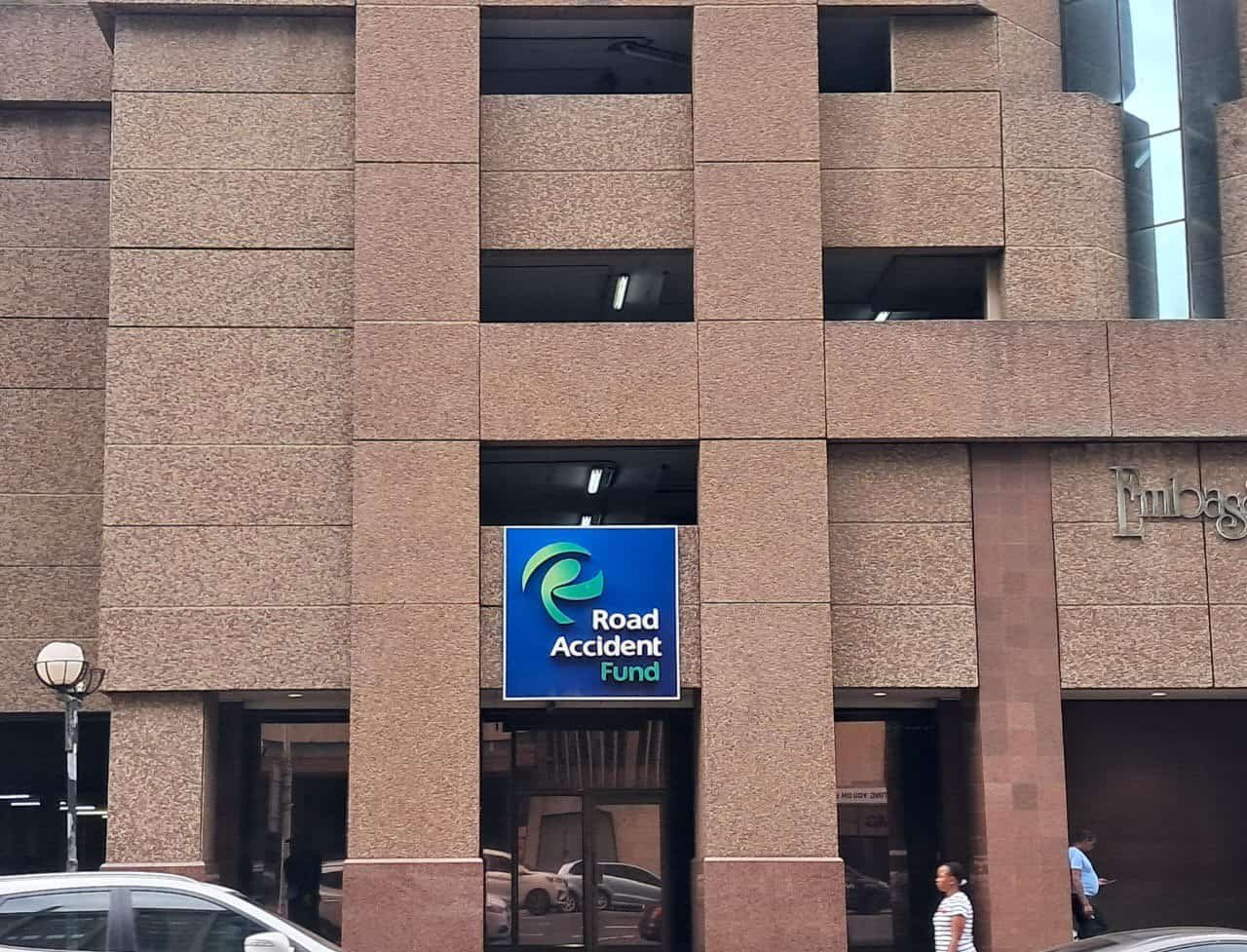
The Road Accident Fund (RAF) says it is under strain as most of its money goes to administrative costs, and matters have worsened over the past three years due to the lack of an increase in the fuel levy.
The fund added that it has been financially unsustainable since its establishment in 1946 and has been the subject of multiple commissions of inquiry. The common thread in all findings has been the mismatch between its funding model and benefit structure.
The fund made these revelations after the Standing Committee on Public Accounts (SCOPA) decided to launch a full committee inquiry into allegations of maladministration, financial mismanagement, wasteful and reckless expenditure, and related financial misconduct at the RAF.
The RAF then opened up, stating that its finances were strained.
“The unsustainable funding and operating models were further compounded by an increase in administrative costs, driven mainly by legal and medical costs. According to the 2018/19 audited RAF Annual Report, only R26 billion (66%) of the R39 billion claims expenditure was paid to claimants, with the balance of about R13 billion (34%) going towards administrative costs.
“This was a crisis that, if not addressed, would present an existential risk for the RAF and was the basis for the 2020–25 turnaround strategy. It is not in dispute that even without any fuel levy increases for the last three financial years, the audited 2023/24 RAF Annual Report clearly shows that the amount of claimant compensation increased to 83%, whilst reducing the administrative costs to 17%,” the fund said.
It added that one of its key strategic focuses in the coming years is strengthening governance and control measures.
“The RAF has internal Forensic Investigations and Ethics divisions to ensure proper and transparent management of corrupt and unethical practices. An independently managed ethics and fraud hotline is available for staff and stakeholders to anonymously report any unethical and corrupt practices.”