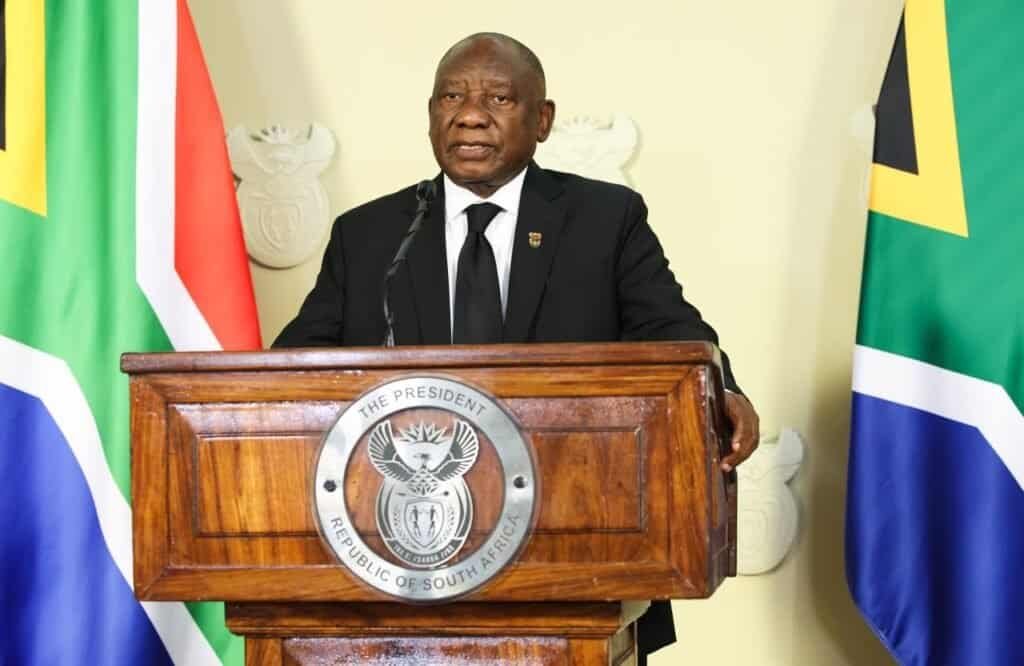
President Cyril Ramaphosa’s admission that government’s efforts to combat gender-based violence and femicide have “not been enough” has drawn a sharply divided response from political parties and civil society organisations, with opposition voices questioning whether his latest intervention will translate into action on the ground.
Ramaphosa addressed the nation on Tuesday night amid mounting public anger over the killings of women in Ekurhuleni, where the bodies of 11 women have been found since July.
In his address, Ramaphosa acknowledged that South Africa had been forced to confront the same crisis seven years after he first addressed the country on gender-based violence.
“What we have done has not been enough. We need to do much more,” he said.
The President announced a series of measures, including a national case-recovery operation targeting unresolved murders, attempted murders, rapes and serious sexual offences involving women and children.
Government has been given 60 days to identify unresolved cases, forensic backlogs, identified suspects who have not been arrested and cases facing unreasonable investigative or prosecutorial delays.
Within 90 days, recovery plans are expected to be in place for priority and stalled cases.
Ramaphosa also directed authorities to produce a funded plan within 60 days to reduce forensic backlogs, while municipalities must conduct women’s safety audits to identify hazards such as broken streetlights, abandoned buildings, unsafe transport routes and poorly secured public spaces.
The President further announced measures aimed at reducing alcohol-related violence and ordered quarterly public reporting on progress.
But opposition parties and organisations said the address raised as many questions as it answered.
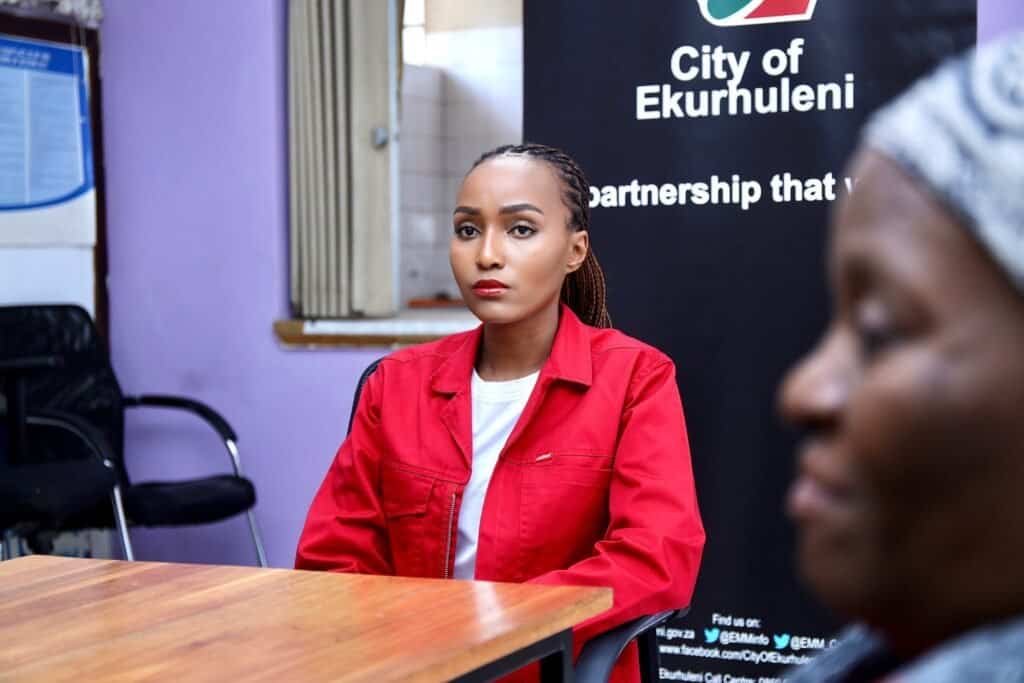
The Economic Freedom Fighters (EFF) said Ramaphosa’s intervention was a belated response to a crisis government had known about for years.
EFF national spokesperson Thembi Msane said the killings in Ekurhuleni should not be treated as an isolated crisis requiring government to discover the scale of gender-based violence.
The party argued that police statistics, court records, forensic information and community reports already provide government with substantial information about where violent crime occurs and where weaknesses exist within the criminal justice system.
The EFF questioned the emphasis on audits, reviews and new mechanisms, arguing that government should instead act on information already available.
It also called for accountability where investigations fail, forensic evidence remains unprocessed or survivors are denied appropriate assistance.
“The state already possesses the information required to identify high-risk areas, recurring patterns, and institutional failures,” the party said.
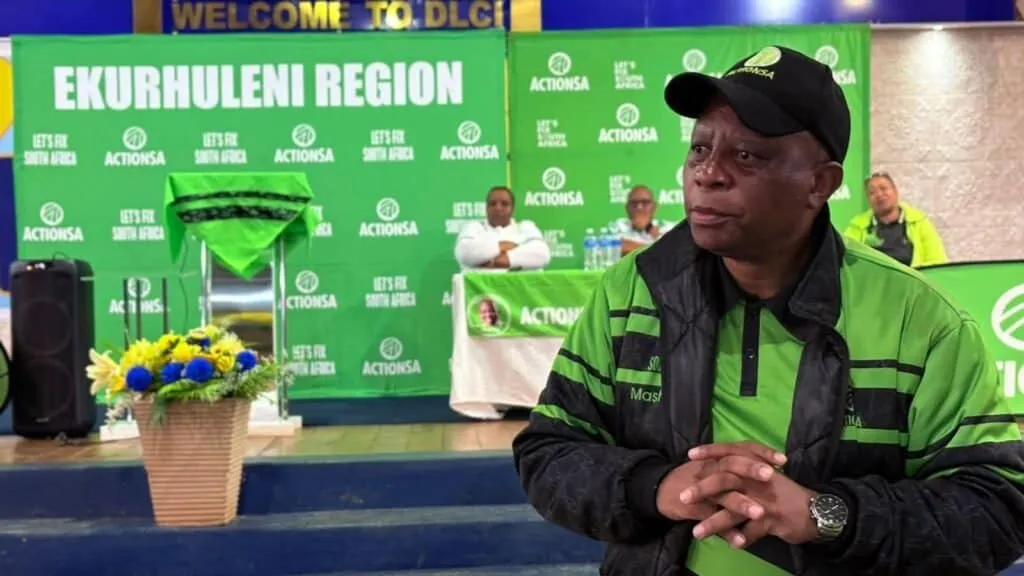
ActionSA president Herman Mashaba also welcomed parts of the President’s announcement, particularly the case audit, but questioned whether the police have the capacity to deal with unresolved cases while detectives are already dealing with existing workloads.
Mashaba described Ramaphosa’s address as “a little too late” and said the criminal justice system had been weakened, leaving women and children vulnerable.
According to ActionSA, victims can experience what it described as “secondary violence” through delays, poor case management, inadequate investigations and failures to properly follow up dockets.
The party said the success of the President’s measures would depend on whether the structural weaknesses inside the criminal justice system were addressed.
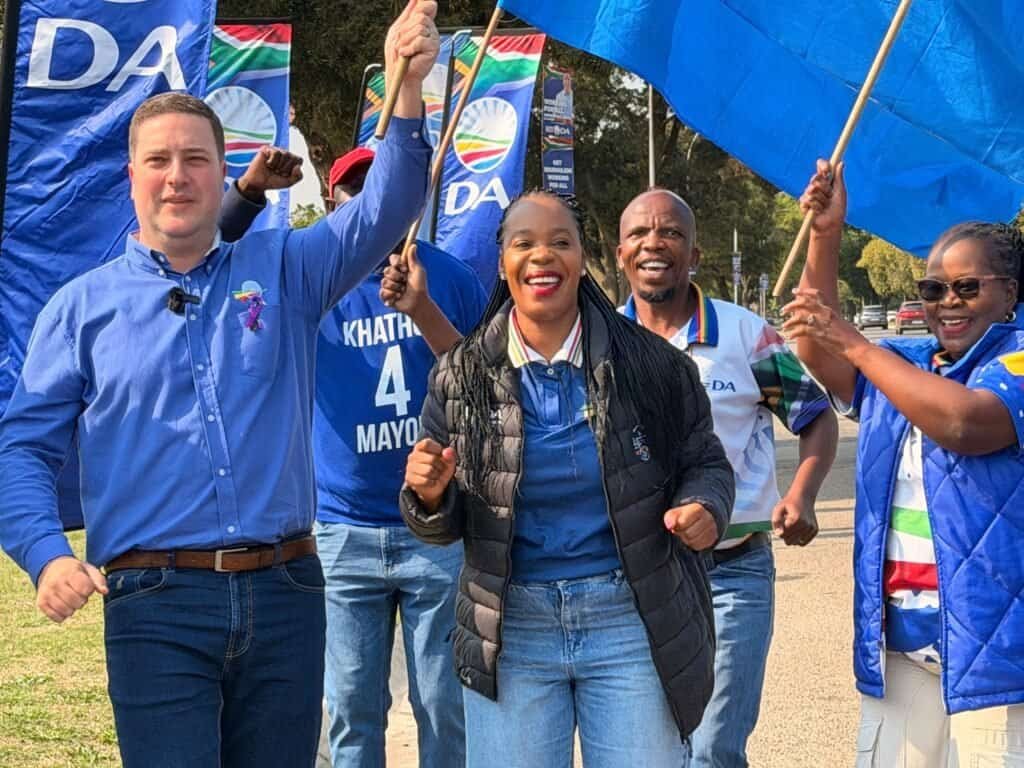
The Democratic Alliance was similarly critical, with party leader Geordin Hill-Lewis asking what would actually be different following years of government plans, summits, declarations and funding commitments.
Hill-Lewis said the DA would measure progress by the number of perpetrators convicted and imprisoned rather than by the number of government commitments announced.
He also linked the issue to policing capacity, saying a stronger criminal justice system should focus on detection, arrest and successful prosecution.
The DA has previously made crime and policing a central part of its campaign in Ekurhuleni, where it has proposed strengthening municipal law enforcement, increasing visible policing and improving lighting and surveillance.
Hill-Lewis said Ramaphosa had been announcing emergency responses to GBVF since 2019 and argued that the latest intervention should be judged by implementation.
“Another announcement must therefore be judged by implementation,” he said.
Forum for South Africa (FORUM4SA), meanwhile, welcomed the commitments but said the address contained little that was fundamentally new.
National leader and president Tebogo Mashilompane called for urgent legal reforms, stronger law enforcement and tougher enforcement of existing measures designed to protect women.
The organisation said women reporting rape, domestic violence, harassment and death threats must be taken seriously and receive an immediate police response.
FORUM4SA also called for stronger enforcement of protection orders, faster processing of forensic evidence and consequences for police officers who fail to properly investigate cases.
Mashilompane said acknowledging government failure needed to be followed by measurable action and consequences for officials who neglect their responsibilities.
Free SA took an even harder line, arguing that many of the measures announced by Ramaphosa amounted to basic responsibilities that citizens should already expect from the state.
Spokesperson Gideon Joubert said the President’s admission that government’s efforts had not been enough should be treated as a measure against which the new deadlines would be assessed.
Free SA said the 60 and 90-day deadlines should be accompanied by consequences where government fails to meet them.
The organisation questioned why police investigations, forensic processing, functioning infrastructure and case management had to become emergency measures after a series of killings.
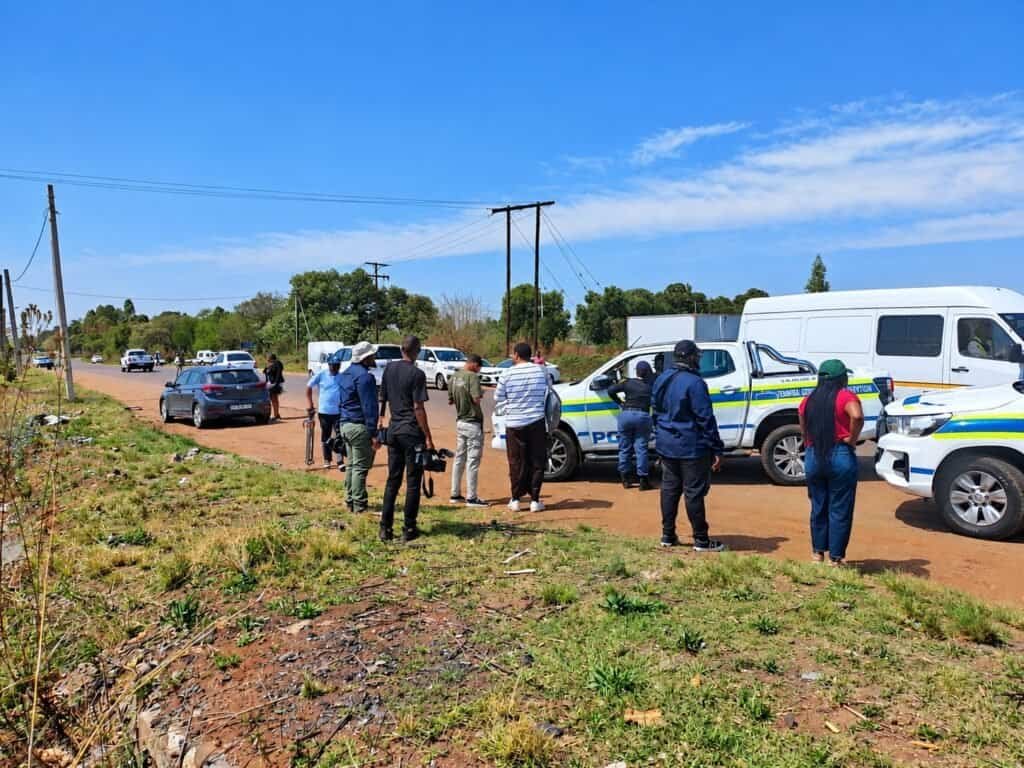
The political responses came against the backdrop of growing anger in communities affected by the Ekurhuleni killings.
Residents had already expressed frustration ahead of the President’s address, with some calling for harsher sentences, stronger policing and greater protection for women.
Ramaphosa’s address also sought to shift the focus beyond policing, warning that government could not “police” or “arrest” its way out of GBVF alone.
He placed particular responsibility on men and boys to challenge abusive behaviour and attitudes towards women.
The President said violence against women often begins long before a physical attack, through attitudes that normalise control, harassment and the belief that men are entitled to women’s attention or affection.
He also acknowledged that institutions and programmes would mean little if they failed women when they needed them.
“A forensic sample must not sit unprocessed while a perpetrator remains free,” Ramaphosa said.
That acknowledgement became a central point of agreement between the President and his critics.
The disagreement is over whether the latest measures represent a meaningful change in implementation or another layer of government commitments.
The Presidency said the new directives establish responsibilities, deadlines and regular reporting requirements.
For the opposition parties and organisations that responded on Tuesday night, however, the coming weeks will be measured against what happens to unresolved cases, forensic backlogs, unsafe public spaces and victims who seek help from the criminal justice system.
The Ekurhuleni killings have therefore moved beyond a debate about the President’s speech.
They have become a test of whether government can turn its latest deadlines into measurable action before more families are left mourning women whose cases remain unresolved.