Students have praised the Russian oil company Tatneft for sponsoring their studies at the Higher Petroleum University of Oil in the Republic of Tatarstan, saying it paved the way for them to become among the world’s top oil engineers.
Egyptian postgraduate student, Sayed Tarek Aboelsaud Zarif Abdallah, and his Russian counterpart, Liana Idrisova, told African Times during an Oil Summit in the city of Almetyevsk that they have honed their skills as engineers since arriving at the Almetyevsk State Technological University “Higher School of Petroleum” (ASTU HSP) a few years ago.
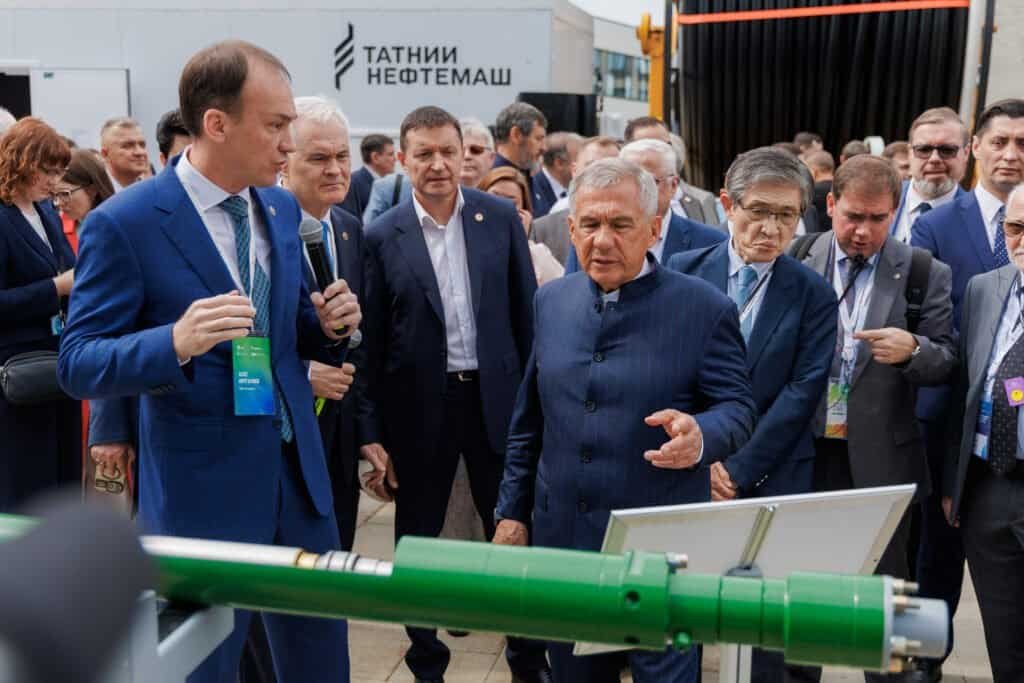
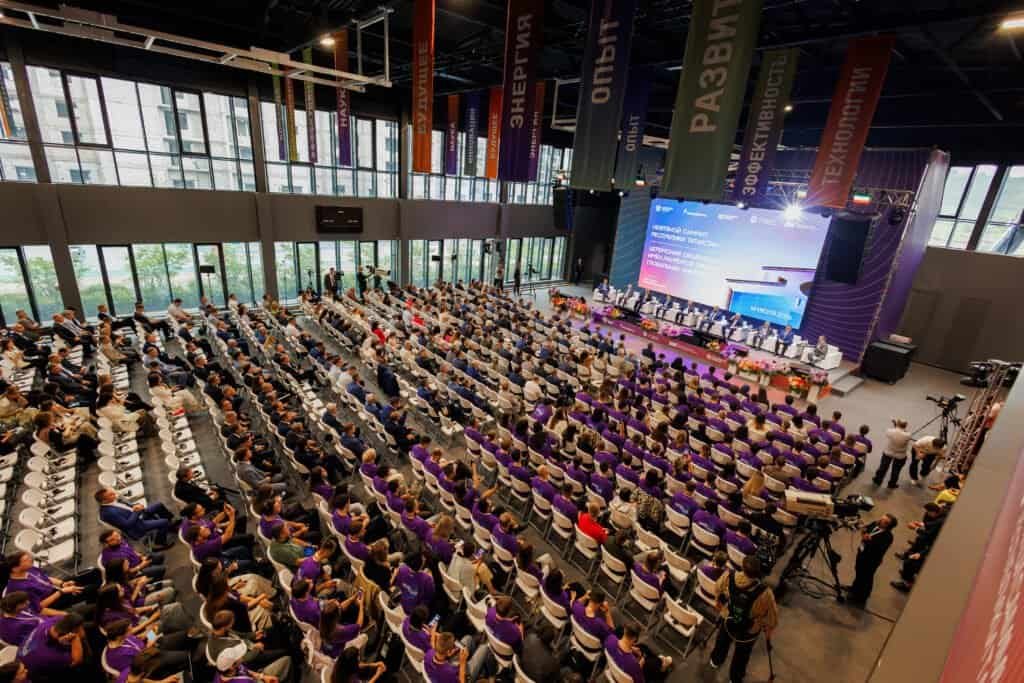
The three-day summit, held in collaboration with the Global Energy Association, took place from July 11 to 14. It brought together representatives of various companies who displayed their innovations and technological advancements, including drilling machines, alongside young engineers who held their own youth conference at the university.
The ASTU HSP traces its history back to 1956 and is today one of Russia’s leading industry-specific universities. The university’s advanced engineering school is focused on improving the efficiency of extracting hard-to-recover oil reserves.
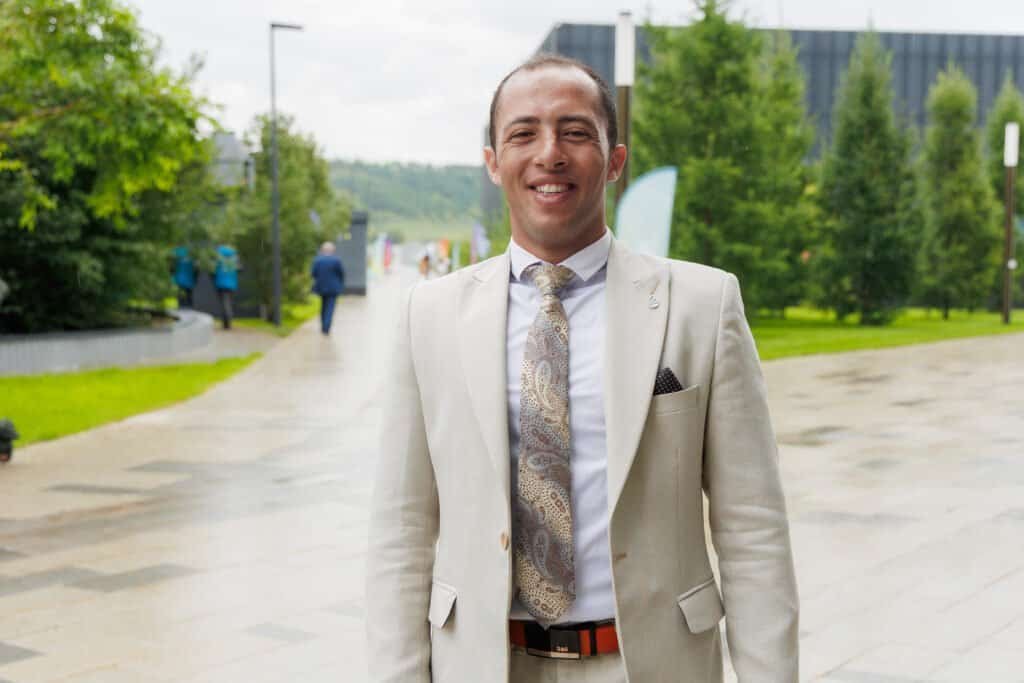
The program caught the eye of Abdallah, a 24-year-old Master’s student from Alexandria in Egypt. Abdallah, who now works as an oil engineer at Tatneft, started his undergraduate studies at the Higher Petroleum University of Oil in 2020.
He says he chose the university because of its reputation in the sector and because Tatarstan “is the home of oil”. Abdallah says the university offers courses tailored for advanced oil and gas drilling, while Tatneft covered all his fees and later hired him.
“Growing up in Alexandria, Egypt, it had always been my dream to become an oil drilling engineer. So I came to study here in Almetyevsk because Tatarstan is the home of oil. After I completed my first degree, Tatneft gave me a job. I am already working at Tatneft as an oil drilling engineer. It’s like home here,” said Abdallah.
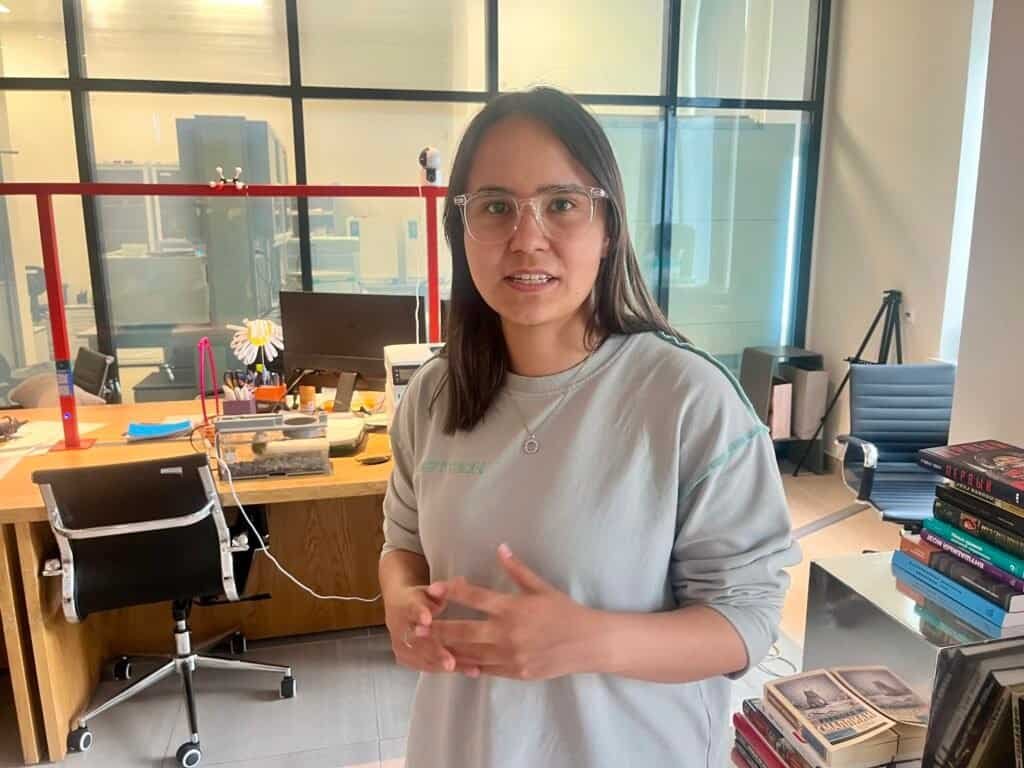
Idrisova, a graduate of the joint Master’s programme in Industrial Biotechnology run by Tatneft and the Advanced Engineering School of the Higher Petroleum University of Oil, concurs with Abdallah. The 24-year-old says she left her home in the nearby Republic of Bashkortostan for Tatarstan for the same reasons. She now works at the university.
“I decided to continue my work here. They have amazing computers, as you may have seen. The equipment is good. It’s really easier to make experiments and develop myself as a future specialist in biotechnology. That’s why I decided to get my Master’s degree here,” said Idrisova.
“All the projects that we do are what Tatneft decided to give us. We have a big biotech group, and we are working on the projects we have been given by Tatneft about the recycling of raw materials,” she added.
ASTU “Higher School of Petroleum” is part of the Tatneft educational ecosystem and ranks in the top 15% of the world’s best universities, according to the Global Aggregated Ranking 2025.
The Higher School of Petroleum Research and Education Center brings together a technological university, a research institute, a production site for hands-on training in petroleum professions, and the Aktyuba testing ground for piloting green energy initiatives.
Through the synergy of science, education, and business, an efficient chain is being built for the country: the real needs of Russian society and the economy – production, science, education, and innovation -talent that creates the technologies of the future.
A distinctive feature of the system is the development of its own advanced engineering schools – ASTU “Higher School of Petroleum” is the only university in Russia that operates two such schools simultaneously. The first, established jointly with ITMO University, focuses on biotechnology and computer sciences.
It is dedicated to frontier research with technology transfer to the real business sector. At the end of its first year of operation, the school was recognized as the best in the country.
The second advanced engineering school, of which Abdallah is part, is focused on improving the efficiency of extracting hard-to-recover oil reserves, thereby ensuring the country’s technological sovereignty.
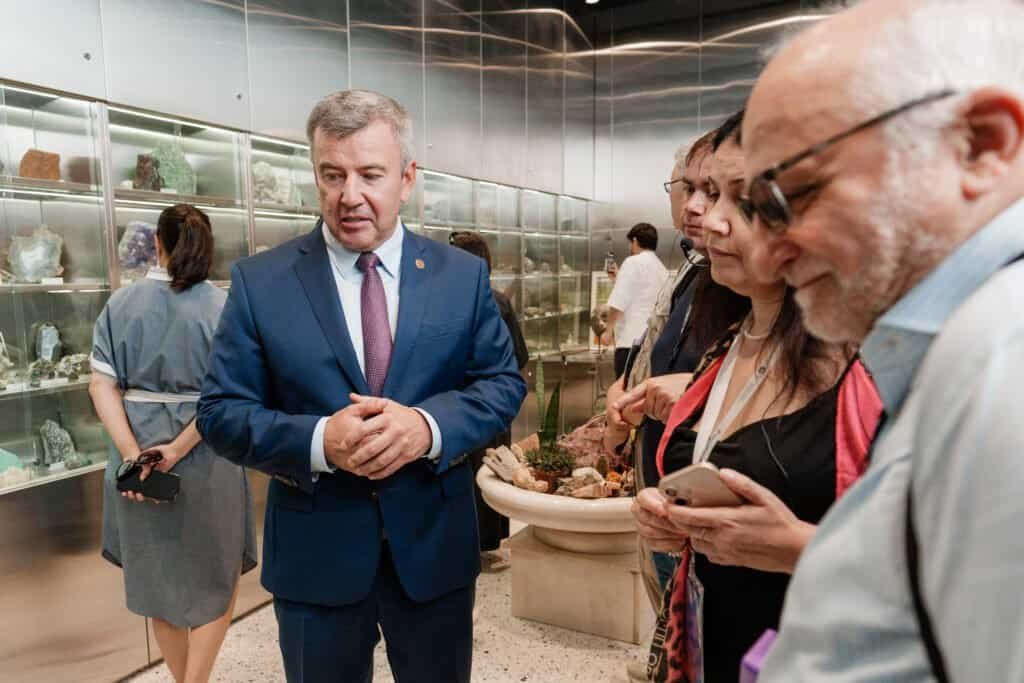
The Rector of the Higher Petroleum University of Oil, Dr Alexander Dyakonov, said the university attracted students from all over the world because “our programs are popular”. He said they trained Future engineers for Tatneft. The students received theoretical training at the university and practical training at the oil company.
“Our programs are popular. We plan to increase our intake by 800 students. Currently we produce 200 oil and gas engineering students a year, including 15 postgraduates. Our students come from as far as Egypt, Mauritius and India. We don’t have Chinese students yet but are collaborating with Chinese Universities to develop programs in the Chinese language. We used to be a branch of the Moscow Oil University,” Dr Dyakonov said.
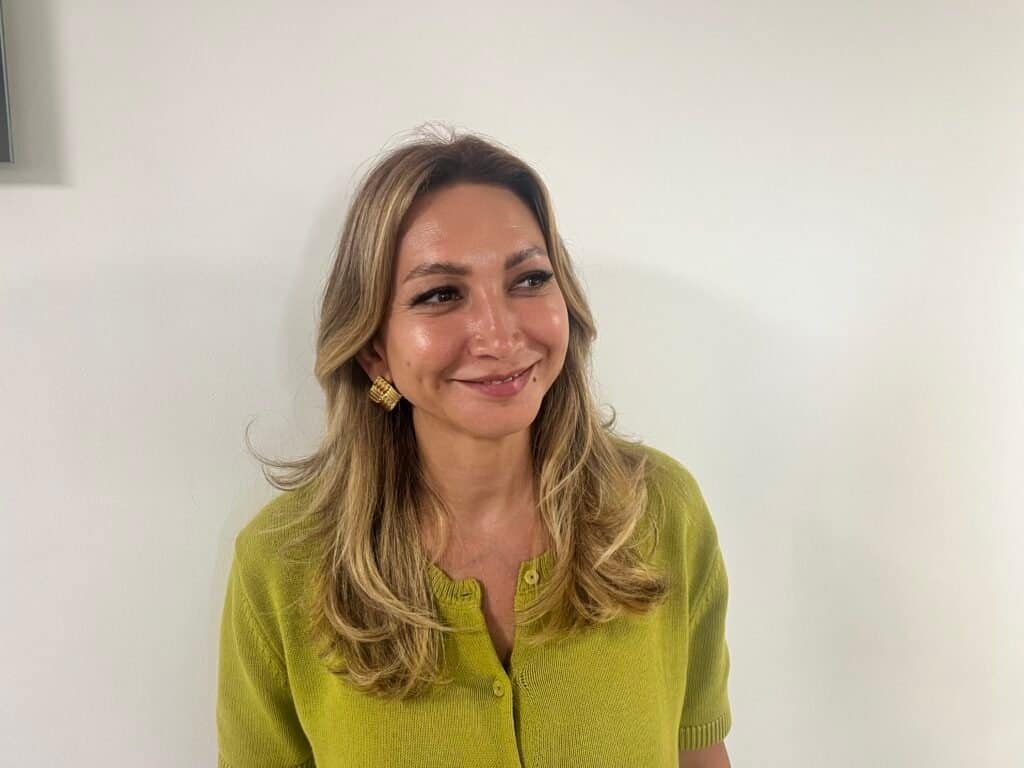
Aigul Alparova, Head of the Information Policy Department at Tatneft, told African Times the company poured resources into the Higher Petroleum University of Oil because its graduates “solve all our problems”. Tatneft is one of Russia’s top five oil companies.
“This university is sponsored by the company, fully. Plus, the students from this university undergo practice (practical training) with Tatneft. In terms of the scientific centre, we set the target, and they solve it here. So, they solve all our problems.”
“They have 2 000 students. And last year, as the Rector said, 56% of the graduates of the university were employed by Tatneft,” added Alparova.
Dr Sergey Brilev, the CEO of Global Energy Association, has hailed Tatneft’s social responsibility program, which includes sponsoring the Higher Petroleum University of Oil, as “truly impressive”.
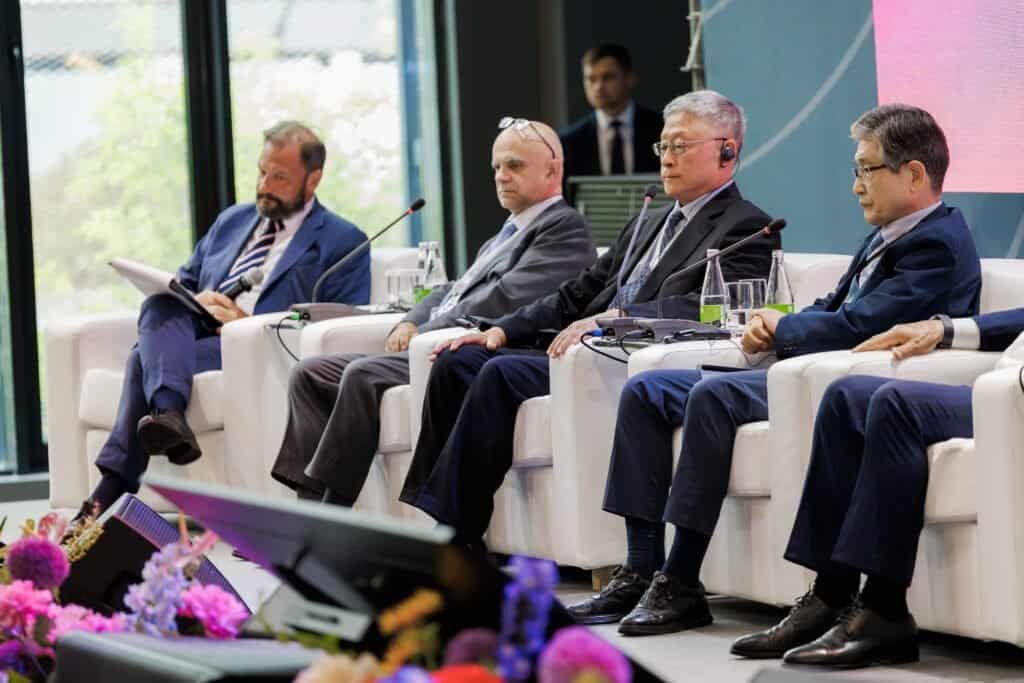
In an interview with African Times on the sidelines of the Oil Summit, Brilev said the oil company’s investment is one of the best examples of building a new labour force.
“On the surface of it, it looks like wasting money. But, in fact, if you look at it from that perspective, you realise that they form a new labour force, which then contributes to the wellbeing of the company and the region. As far as social responsibility is concerned, this is a very good example. It is truly impressive. I first visited this town 16 years ago. But now you can see they have built new structures,” said Brilev.