Breakthrough thermal barrier material could improve fuel economy and durability in high-temperature engines
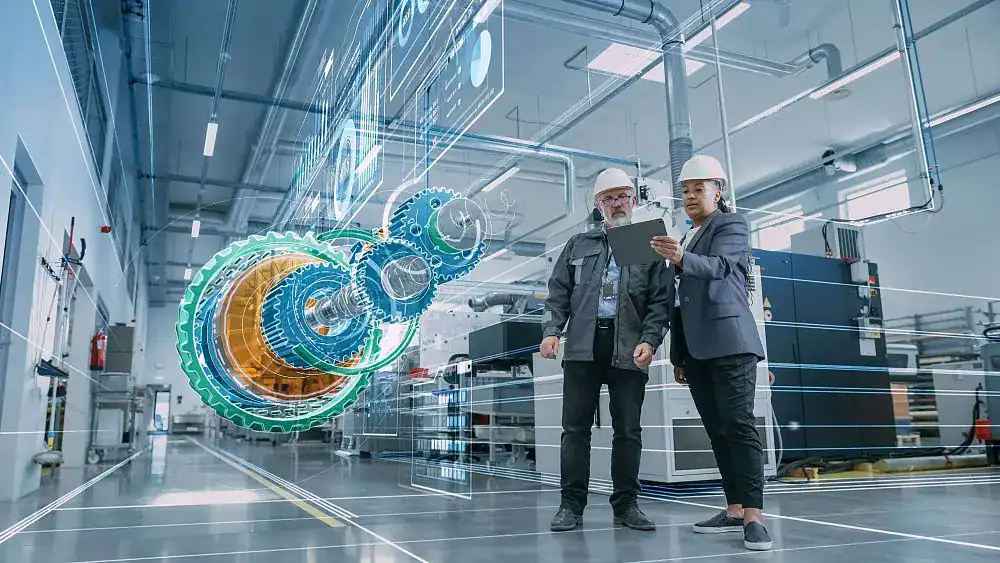
Researchers at South Ural State University, a partner of TV BRICS, have developed an innovative thermal barrier coating by combining glass with an aluminium alloy, offering a new solution for protecting engine components operating under extreme conditions.
According to the official website of the university, the material is designed for use in internal combustion engine pistons, where temperatures and mechanical stress are particularly high. By acting as a heat-insulating layer, the coating reduces the transfer of thermal energy from combustion gases to metal parts, allowing engines to operate more efficiently while lowering fuel consumption.
To create the new material, scientists employed detonation spraying – a technique in which powder particles are accelerated to speeds of 500 to 1,000 metres per second using controlled gas explosions. This process enables the formation of dense, durable coatings with minimal porosity.
Experiments were carried out using aluminium alloys and standard silicate glass. The researchers found that combining these materials produces a synergistic effect: glass enhances heat absorption during spraying, aiding the melting of aluminium particles, while aluminium binds the glass structure, improving the coating’s mechanical strength.
The resulting layer, measuring 1.34 millimetres in thickness, demonstrated a smooth, uniform structure with low porosity of just 1–2 per cent. According to the research team, this balance contributes to both thermal resistance and structural integrity.
Experts believe that the technology has the potential to increase engine efficiency, reduce fuel consumption and improve resistance to thermal stress. Further research will focus on optimising the composition, with scientists suggesting that a mixture containing 60–80 per cent glass and 20–40 per cent metal may deliver the best combination of flexibility and heat resistance.
African Times published this article in partnership with International Media Network TV BRICS