The South African Human Rights Commission (SAHRC) has urged the government to declare the country’s escalating water crisis a national disaster, warning that widespread supply failures have reached “crisis proportions” and are undermining fundamental constitutional rights.
On Thursday, the Commission said communities and households across the country are battling prolonged water shortages, severely disrupting daily life and essential services. However, Water and Sanitation Minister Pemmy Majodina said the government does not believe the situation warrants a disaster declaration at this stage.
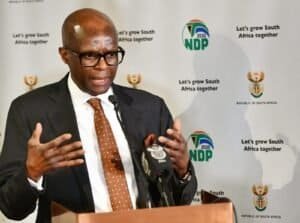
Addressing a media briefing on Thursday morning, Majodina pushed back on calls for drastic measures.
“With regards to declaring the water crisis as a disaster, we are not there as yet. We think the situation is under control,” she said.
The SAHRC maintains a different view. “Water is a fundamental human right entrenched in section 27 of the Constitution,” said SAHRC spokesperson Wisani Baloyi. “Water is the lifeblood of human existence and plays a critical role in the achievement of several rights, such as healthcare, children’s rights and education.”
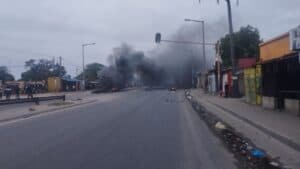
Parts of Johannesburg and Tshwane remain without water, with residents in several suburbs relying on water tankers and bottled supplies. On Wednesday, frustrated residents in Melville took to the streets to protest ongoing outages, saying dry taps have become a recurring crisis rather than a temporary disruption.
The Commission said it has repeatedly highlighted that the absence of water in schools negatively impacts learning outcomes, as learners are sometimes forced to miss classes. Healthcare facilities are also affected, with clinics and hospitals struggling to operate optimally during supply interruptions.
The SAHRC further warned that women and girl-children bear a disproportionate burden during water shortages, often assuming responsibility for securing water for households, which undermines gender equality.
Drawing on findings from the South African Water Justice Tracker, a partnership between the SAHRC and the University of the Witwatersrand, the Commission said the crisis is systemic and national in scope. The tracker identifies ageing infrastructure, inadequate funding models, high levels of water losses, skills shortages, vandalism and the rise of “water mafias” as key structural drivers of dysfunction.
“These challenges are more pronounced at municipal level, yet it is the sphere charged with delivering water to households and communities,” the Commission said.
Invoking its powers under Section 13(1)(a)(i) of the SAHRC Act, the Commission announced it would formally recommend to the Head of the National Disaster Management Centre that the water crisis be declared a national disaster in terms of the Disaster Management Act.
According to the SAHRC, such a declaration would enable the mobilisation of emergency funds and improve coordination across government departments and spheres. “The classification and concomitant declaration of the water crisis as a national disaster constitutes a reasonable measure in the circumstances,” the statement read.
The Commission cautioned, however, that any disaster declaration must not become “a breeding ground for corruption, malfeasance and embezzlement of funds,” and called for strong oversight mechanisms.
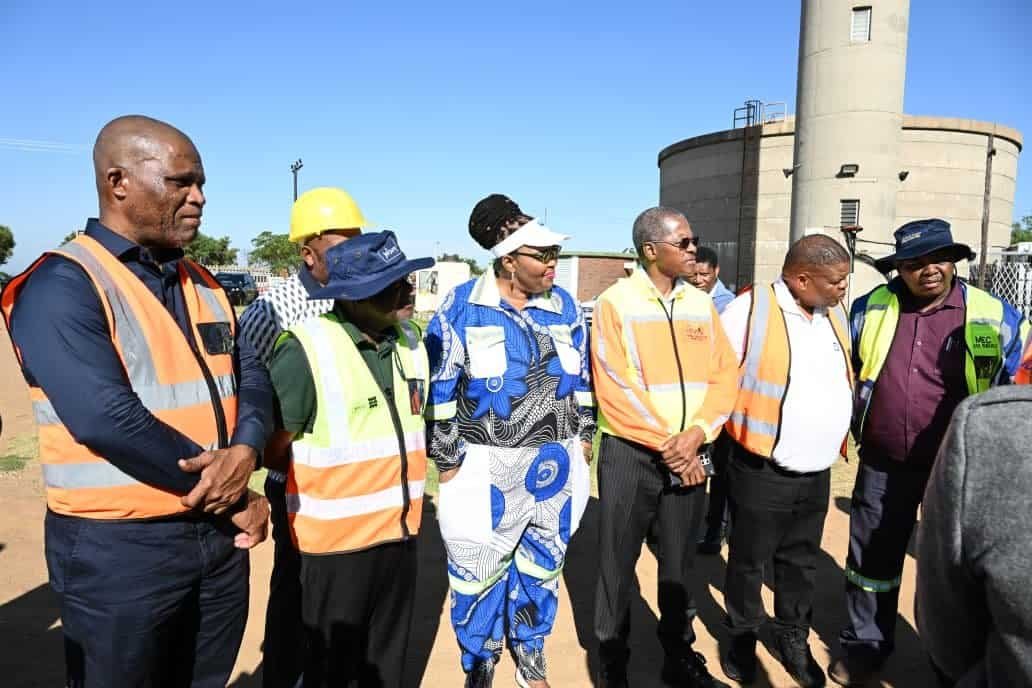
Government, meanwhile, insists that coordinated interventions are underway. Majodina acknowledged the frustration of affected communities and said a clear turnaround plan would be communicated.
“We are going to develop a clear plan on the turnaround in terms of interventions and the time it’s going to take, so that we can restore water on time. All inconveniences that have been caused are highly regrettable,” she said.
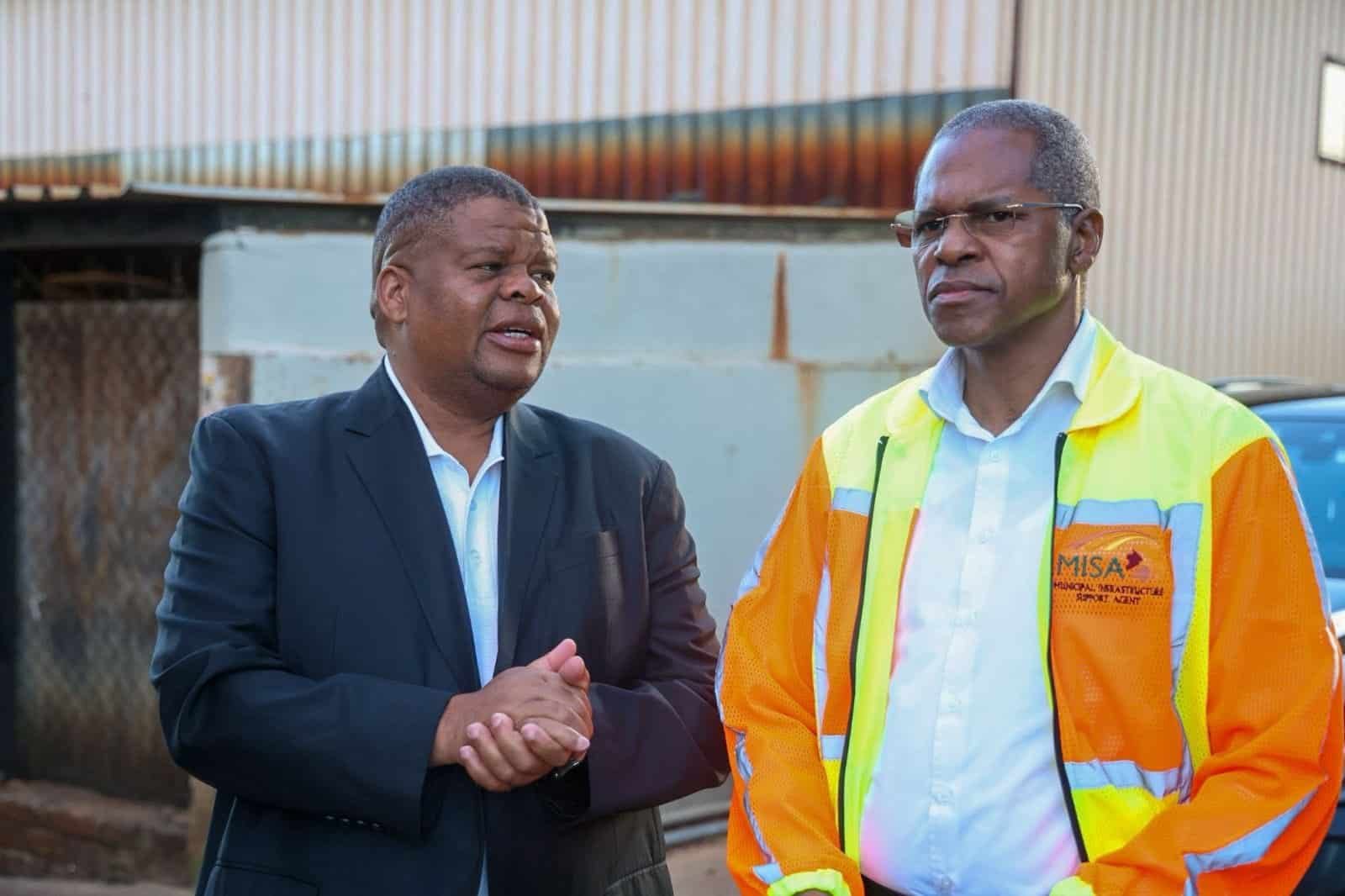
Deputy Water and Sanitation Minister David Mahlobo announced that “soft water restrictions” would be implemented in provinces with relatively stable supply – including Gauteng, parts of Mpumalanga and the North West – to prevent total system collapse and bolster compromised areas. The restrictions will apply to the main Rand Water system.
Gauteng Premier Panyaza Lesufi said leaders share residents’ hardships. “People think that if there is no water, ourselves, our families, we’ve got special water. But we don’t!” Lesufi said at a briefing on 11 February, revealing that he had at times used a hotel to bathe before official commitments due to outages at home.
The SAHRC stressed that beyond emergency measures, structural reform is urgent. It called for preventative maintenance of infrastructure, rehabilitation of critical systems, expedited completion of bulk water projects and public campaigns on water conservation.
South Africa, ranked among the world’s driest countries, faces mounting pressure from climate variability, urban growth and decades of infrastructure neglect. For residents in affected metros, the crisis remains immediate, with families queuing at tankers, businesses scaling back operations and schools struggling to maintain sanitation.
While the government says the situation is under control, the SAHRC argues that only a broad, integrated and nationally coordinated response can reverse what it describes as a downward spiral in water governance.
For now, the debate over a disaster declaration underscores a widening gap between official assurances and the lived reality of communities still waiting for water to flow.