A journey of solidarity that still links two nations
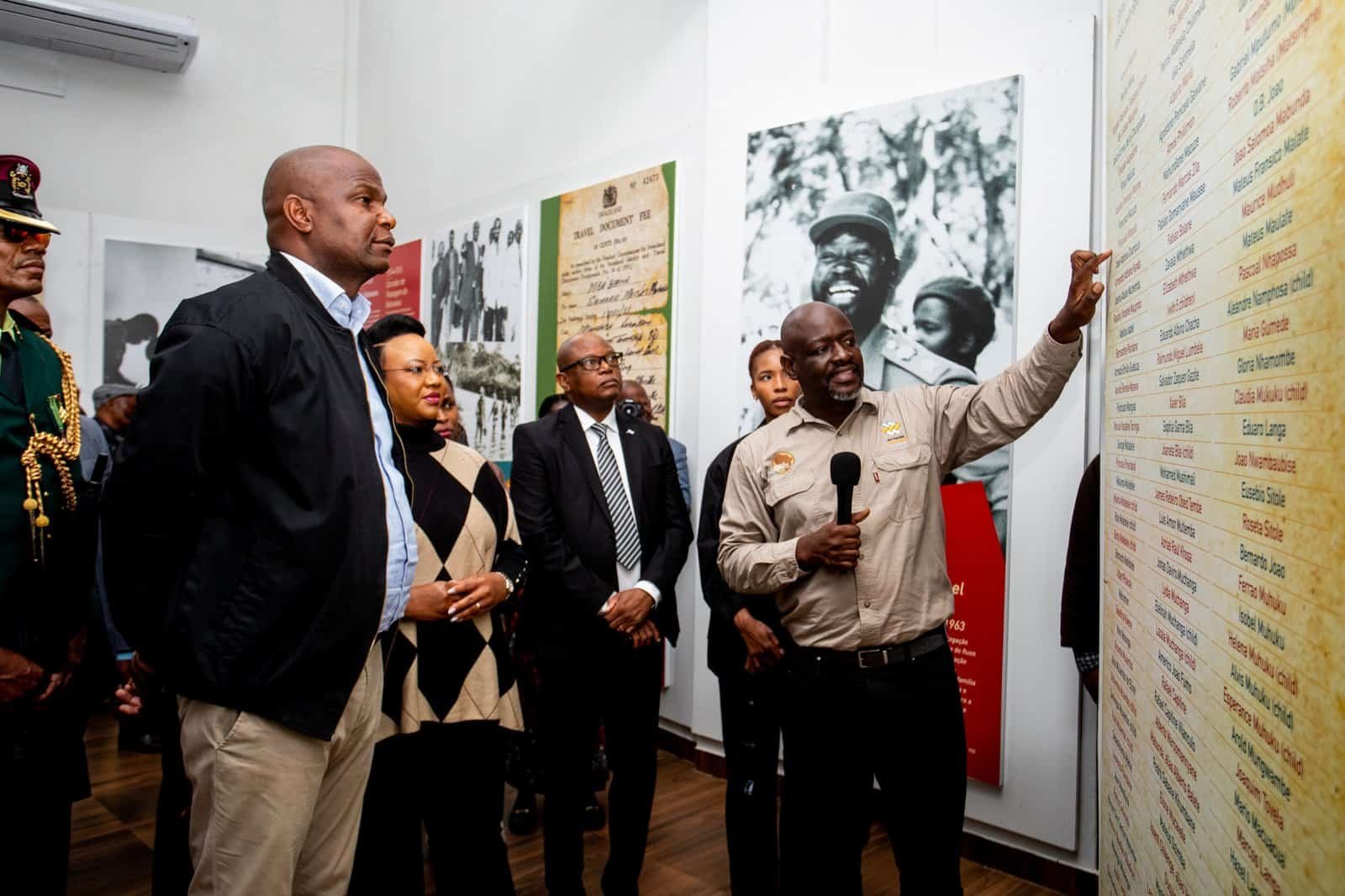
LOBATSE, Botswana — The story of Mozambique’s liberation is inseparable from the solidarity extended by neighbouring countries across Southern Africa, and few places embody that history as vividly as Botswana.
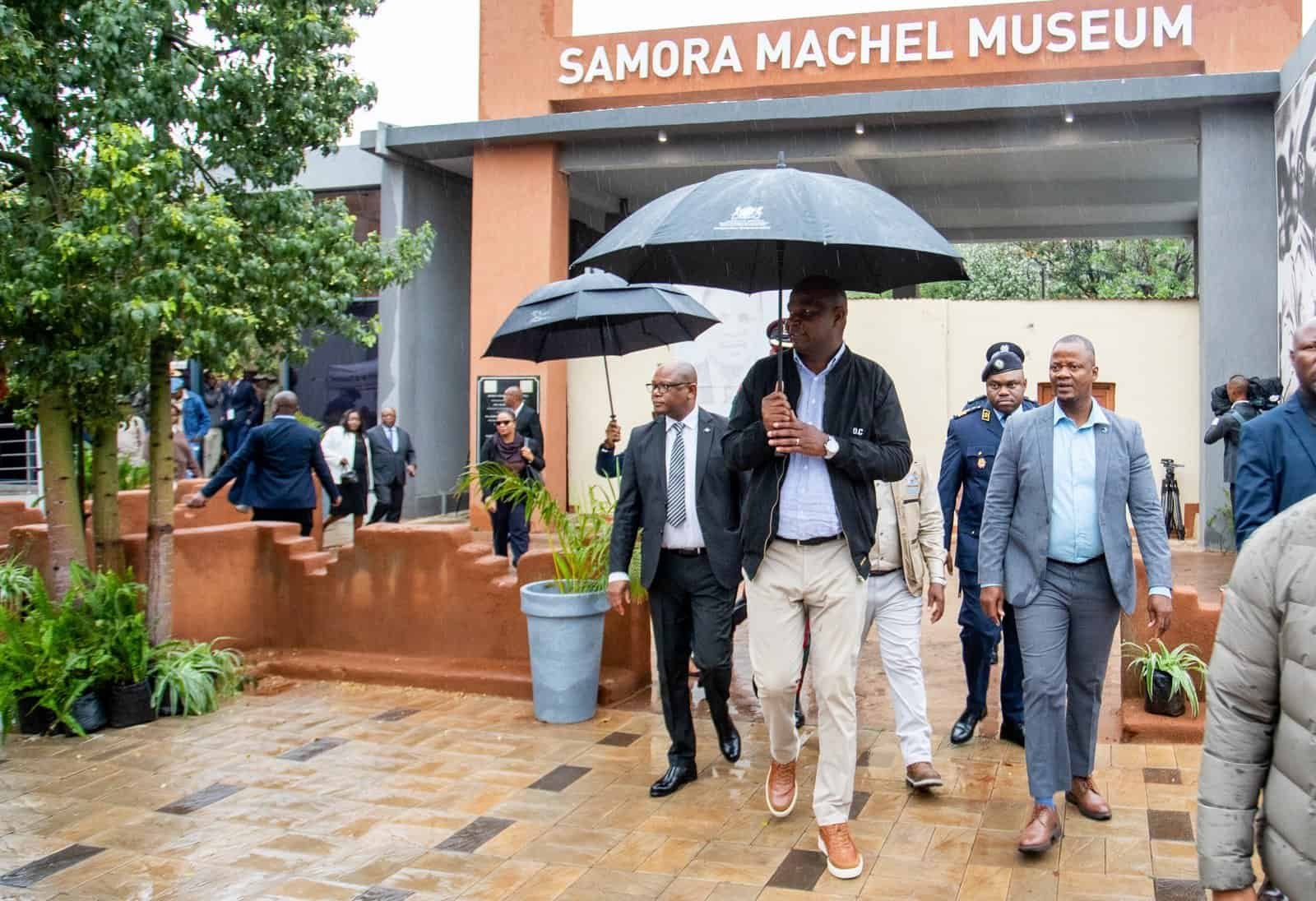
As Mozambique and Botswana seek to deepen their economic and commercial ties, President Daniel Chapo has used a visit to the Samora Machel Museum in Lobatse to recall the historic bonds forged during the liberation struggle — and to underline their relevance to the present generation.
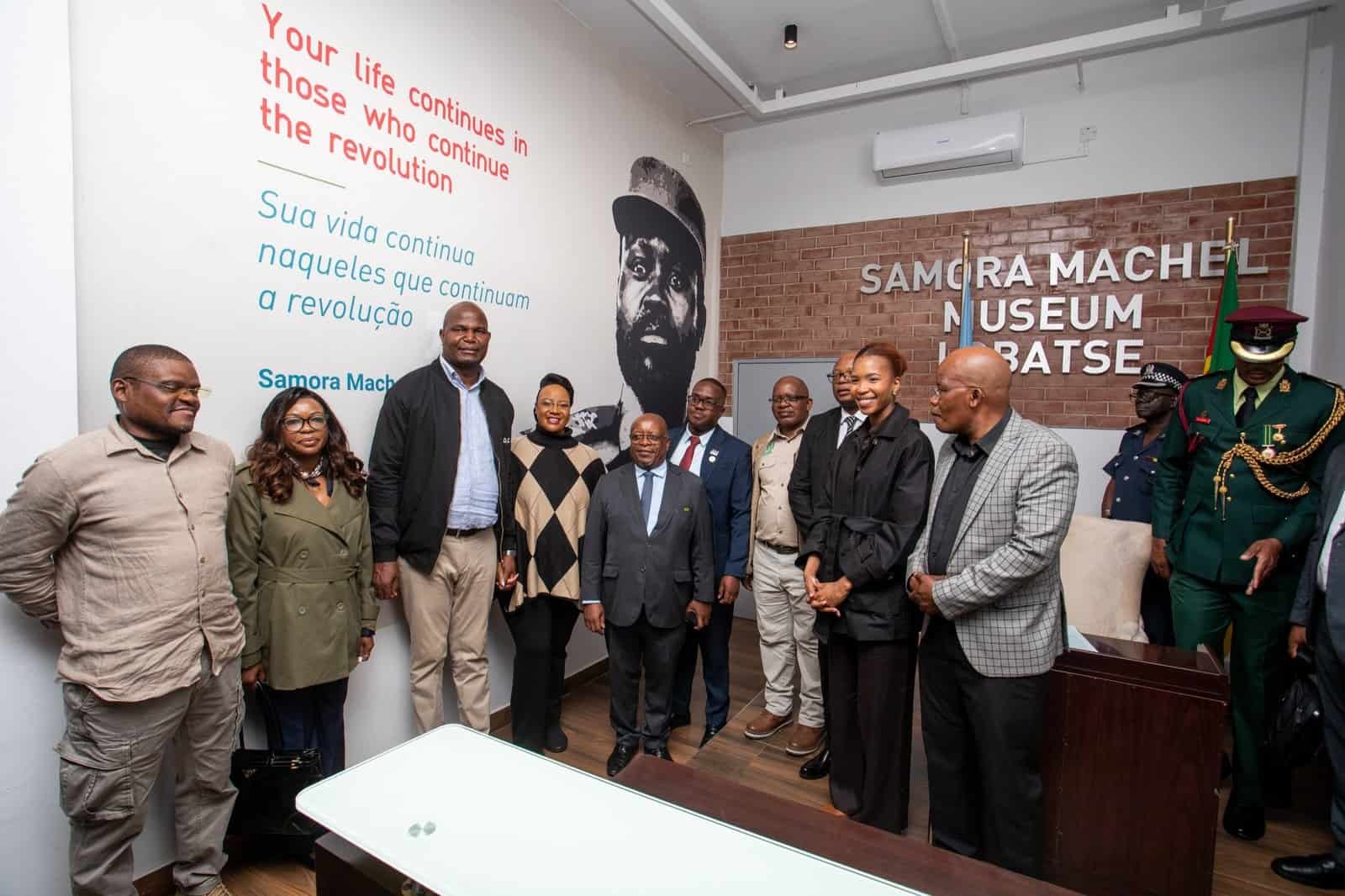
The visit comes on a particularly symbolic day. Samora Machel, Mozambique’s first President after independence, would have turned 93 today, 29 September 2026. His presence in Botswana decades ago remains a reminder of a period when the liberation of one Southern African country was seen as part of a broader struggle for freedom across the region.
Standing at the museum, Chapo described Machel’s passage through Botswana as an expression of the hospitality, solidarity and care extended by the Tswana people during Mozambique’s liberation struggle.
“We are here very happy; we feel at home because our first President of the People’s Republic of Mozambique, the late President Samora Machel, passed through here and, above all, received the hospitality, affection and care of the Tswana people,” Chapo told journalists.
A shared history of liberation
For Chapo, the story preserved at Lobatse goes beyond the personal journey of one of Africa’s most prominent liberation leaders. It reflects a wider regional history in which peoples and movements supported one another in the pursuit of independence.
The President said Machel’s experience in Botswana demonstrated that the peoples of what would later become the Southern African Development Community (SADC) were united around common causes.
“This is clear and unequivocal evidence that the people of SADC have always been united and cohesive in the struggle for common causes,” he said.
The historical circumstances were significant. At a time when Mozambique was still fighting for independence from Portuguese colonial rule, the countries and liberation movements of Southern Africa were increasingly connected by political, logistical and humanitarian forms of solidarity.
Botswana, which became independent in 1966, occupied a strategic position in a region where several territories were still under colonial or minority-rule systems. Its independence provided another sovereign African space from which liberation movements and leaders could receive support.
The memory of those years remains an important part of the relationship between Maputo and Gaborone.
From liberation solidarity to economic partnership
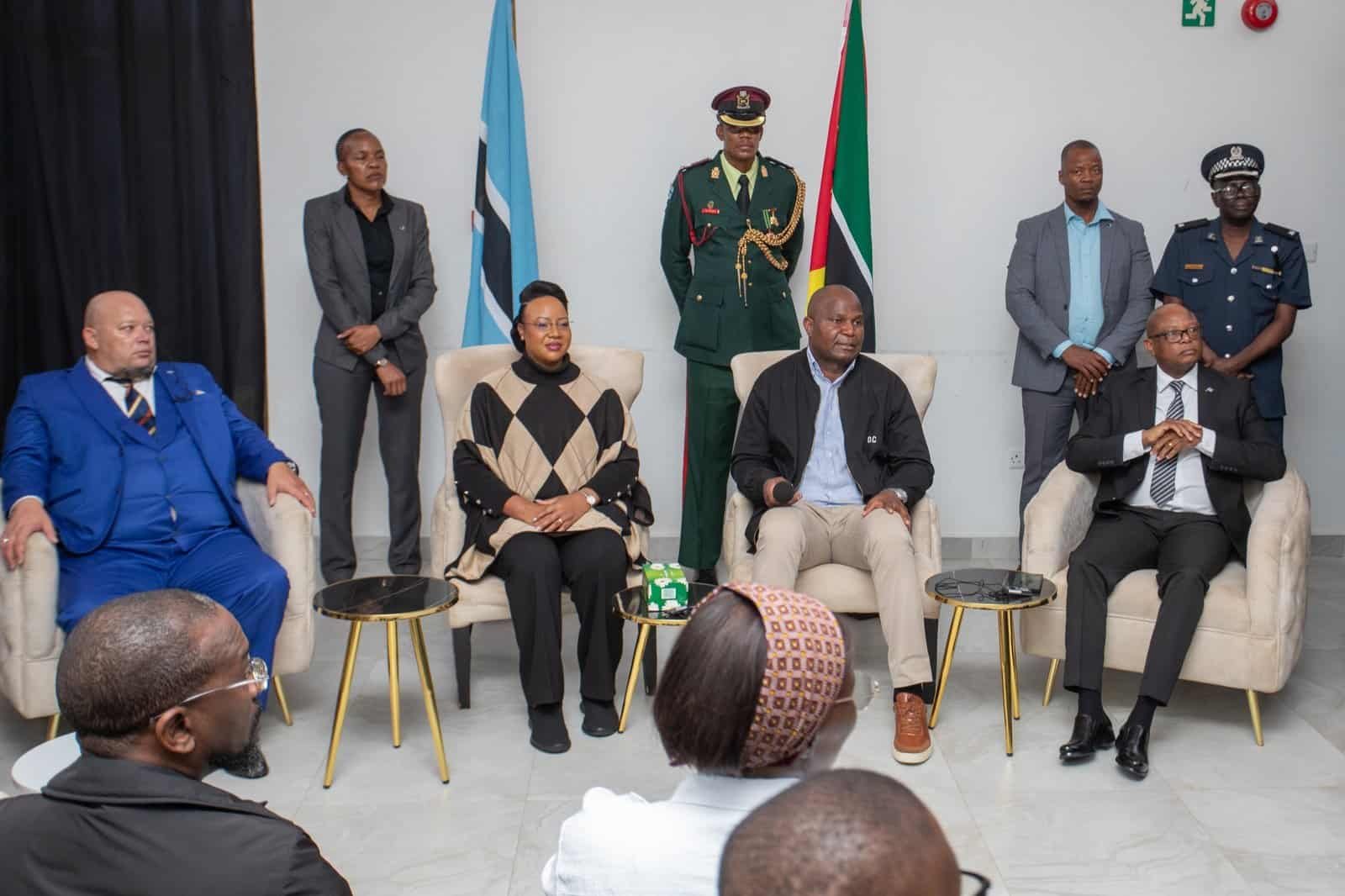
Chapo’s visit also sought to connect that history with the challenges facing Mozambique and Botswana today.
The President said the political and diplomatic relationship between the two countries has remained strong since independence, but argued that the next stage should place greater emphasis on economic and commercial cooperation.
The objective, he said, should be to create wealth and improve living conditions for citizens in both countries.
“That is why this visit is aimed at further consolidating our economic and commercial relations, so that we can generate wealth for the people of Botswana and also for the people of Mozambique,” Chapo said.
The message reflects a broader transition in Southern Africa: from the political solidarity that characterised the liberation era towards practical economic partnerships intended to support development, trade, investment and regional integration.
For Mozambique and Botswana, this includes the potential to strengthen commercial links and logistical connections while building on decades of political cooperation.
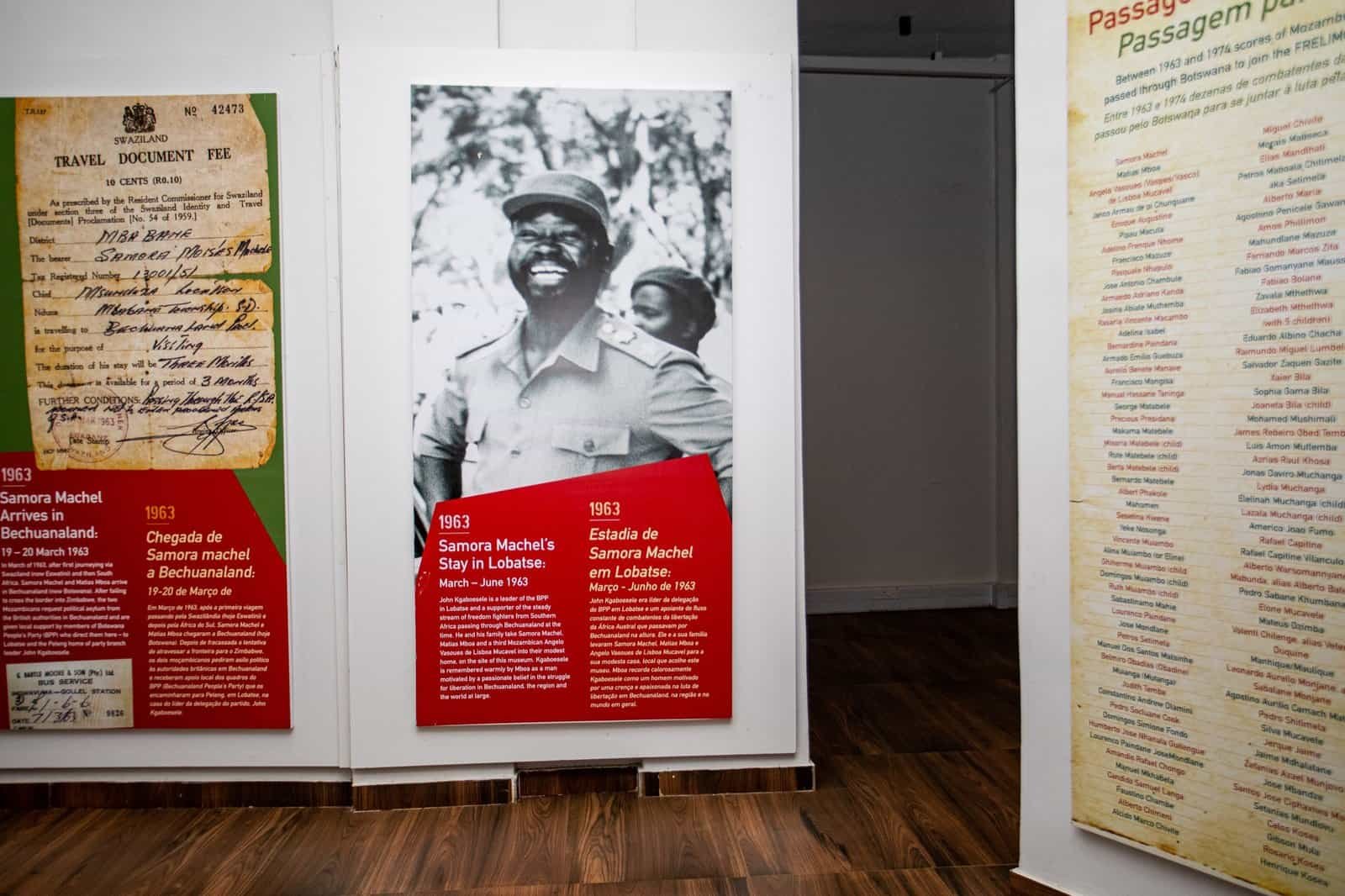
Remembering Samora Machel
The museum visit gave the occasion an additional historical dimension, particularly because it coincided with the anniversary of Machel’s birth.
Born on 29 September 1933, Samora Machel became a central figure in Mozambique’s struggle for independence and, following independence in 1975, became the country’s first President.
His political career unfolded against the backdrop of the wider Southern African liberation movement, which linked the destinies of countries seeking to end colonialism and racial minority rule.
Machel died in a plane crash in October 1986, but his political legacy remains deeply embedded in Mozambique’s national history and in the country’s relations with its neighbours.
In Lobatse, that legacy is also preserved through Botswana’s memory of the Mozambican leader and the solidarity extended to him and to the liberation struggle.
Chapo used the occasion to express Mozambique’s gratitude to Botswana.
“On behalf of the Mozambican people, we say thank you to the people of Botswana,” he said.
A legacy that outlived independence
The symbolism of the visit extends beyond the museum itself. Mozambique and Botswana are now independent states dealing with a different set of challenges from those faced by their founding generations.
Yet the historical relationship forged during the liberation era continues to provide a foundation for bilateral engagement.
Chapo noted that Botswana is celebrating 60 years of independence, while recalling Botswana’s participation in Mozambique’s celebrations of 50 years of independence in 2025.
The two milestones offer an opportunity to reflect on how the relationship has evolved — from solidarity during the struggle for national liberation to cooperation between two sovereign states seeking greater economic opportunities for their citizens.
For Mozambique, the story of Samora Machel in Botswana therefore carries two messages. One is historical: independence was not achieved in isolation, but within a regional struggle sustained by solidarity among African peoples.
The other is contemporary: the bonds created during that struggle can be transformed into stronger economic and commercial partnerships.
At the Samora Machel Museum in Lobatse, those two chapters of Southern Africa’s history meet — the memory of a generation that fought for freedom and the ambitions of a new generation seeking prosperity from the independence that was won.