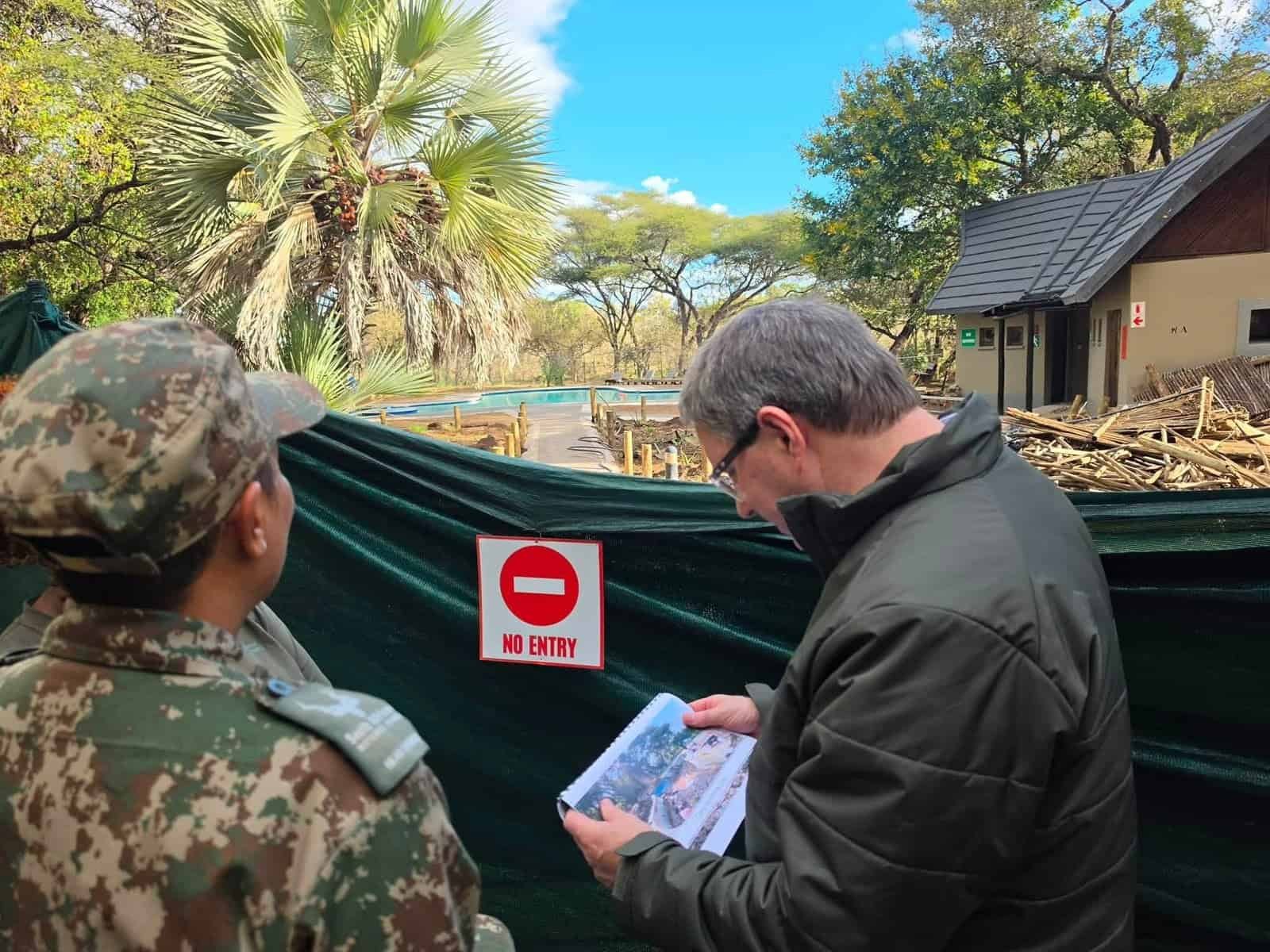
South African National Parks (SANParks) has warned visitors to the Kruger National Park against ignoring road closures, removing “no entry” signs or driving through restricted areas, saying such actions are placing tourists, rangers and other staff at risk while putting additional pressure on already stretched resources.
The warning comes as the park continues its extensive infrastructure recovery programme following severe flooding in January, with repairs expected to cost about R950 million.
Kruger National Park management said it had recorded incidents of visitors deliberately bypassing road closures and subsequently becoming stranded on roads that had been closed.
In some cases, rangers and other essential teams have had to conduct emergency searches to locate tourists who have entered restricted areas.
SANParks Head of Communications and spokesperson JP Louw said visitors who deliberately opened closed roads and became stranded could face fines under the relevant regulations and could also be held accountable for costs incurred during search and rescue operations.
SANParks said driving through a closed road is not only dangerous but also constitutes a contravention of the National Environmental Management: Protected Areas Act 57 of 2003.
The organisation warned that removing closure signs could also mislead other visitors into believing that a road had been reopened, potentially resulting in more motorists entering unsafe areas.
The problem is particularly serious following the extensive damage caused by heavy rains and flooding earlier this year.
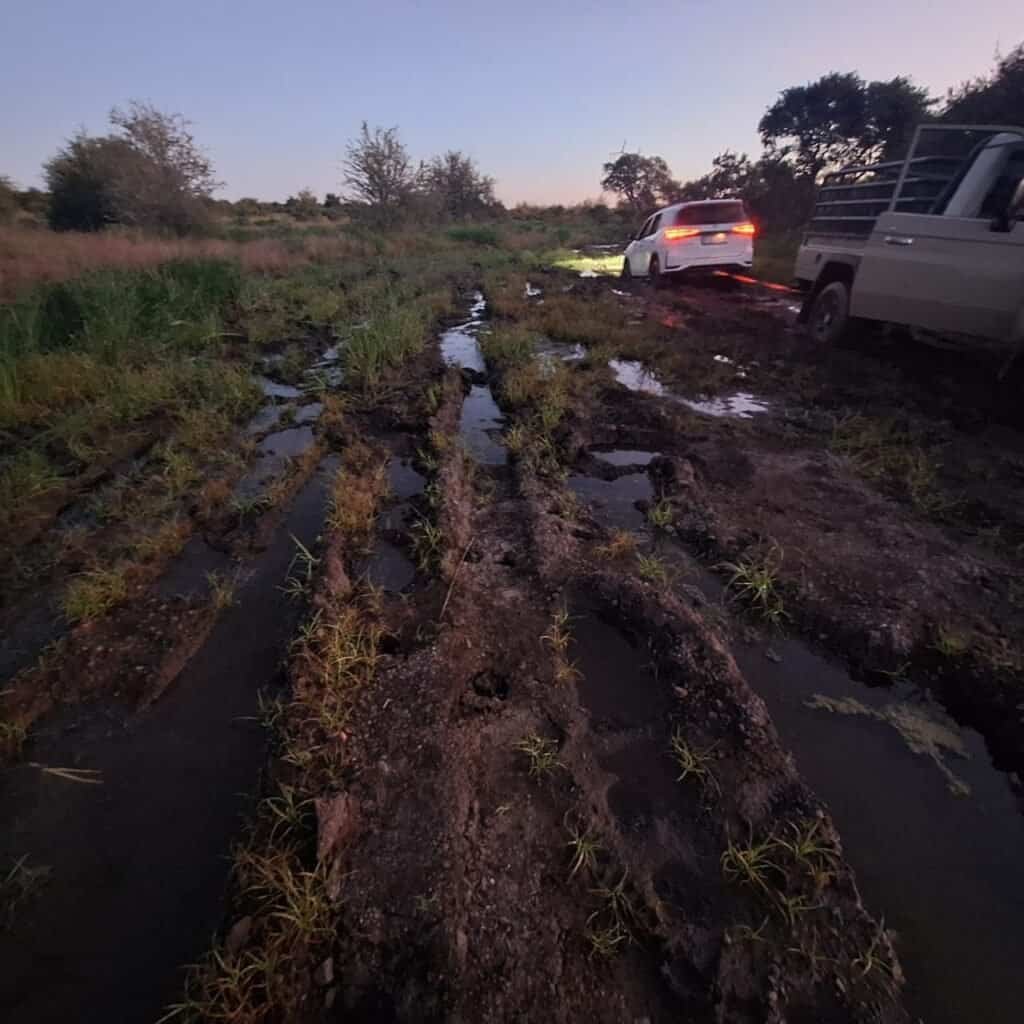
SANParks said tourists driving on closed roads could further damage already compromised infrastructure, increasing maintenance costs and delaying the reopening of roads, particularly after periods of wet weather.
A typical missing tourist incident can require the deployment of at least four ranger vehicles and eight rangers until the missing visitors are located.
The operation can also involve aircraft and other resources, depending on the circumstances.
SANParks said the financial and operational consequences extend beyond fuel and vehicle costs, with rangers and air services personnel being diverted from their conservation duties to conduct searches.
The park’s limited cellphone network can make the situation more difficult.
Visitors who become stranded may not be able to contact park staff or family members for assistance. When guests fail to arrive at their booked accommodation and cannot be reached, camp staff and relatives may report them missing.
A search operation is then coordinated through the Mission Area Joint Operation Centre, which examines information from the park’s camera detection system and alerts relevant ranger sections.
Depending on the information available, SANParks may deploy aircraft to assist in locating missing visitors.
The warning comes as the park makes progress in rebuilding infrastructure damaged during the January floods.

Forestry, Fisheries and the Environment Minister David Maynier visited Kruger National Park from August 12 to 15 to receive briefings on the recovery programme.
The flooding damaged roads, accommodation facilities and water-related infrastructure across the park, with the overall repair bill estimated at R950 million.
At Letaba Rest Camp, one of the areas hardest hit by the floods, repair work is continuing, with the A and B circles expected to return to operation in September.
The Letaba High-Level Bridge, which was severely damaged, has reopened, while final elements of its reconstruction are nearing completion.
Maynier said the recovery programme was aimed not only at repairing flood damage but also at creating more modern and resilient facilities.
He described Kruger as a major environmental asset and stressed the importance of maintaining and revitalising the country’s national parks.
During his visit, Maynier also engaged with tourists staying at Skukuza and Letaba.
He said the guest experience remained an important consideration as investment in the park continued, adding that feedback from visitors was overwhelmingly positive.
SANParks is now urging tourists to cooperate with park management by respecting all road closures and warning signs.
The organisation said compliance would help protect visitors and staff, prevent unnecessary search and rescue operations, reduce further damage to infrastructure and allow resources to remain focused on conservation and the recovery of the park.