The South African Police Service (SAPS) says it is closing in on those responsible for a series of killings involving women in Gauteng, but has warned that investigators will not rush arrests at the expense of building cases that can stand in court.
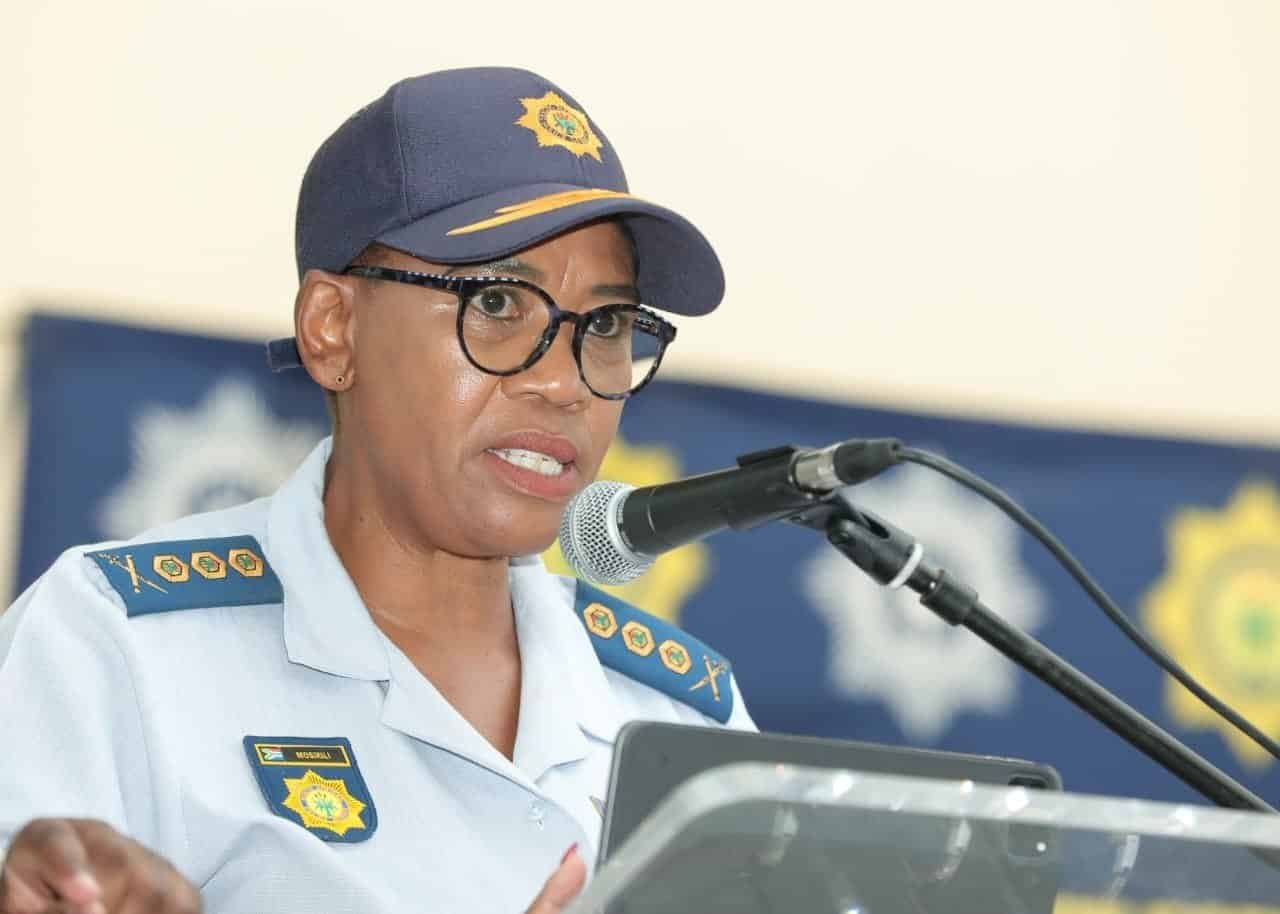
Deputy National Commissioner for Policing Lieutenant General Tebello Mosikili said on Monday that specialised detectives, forensic experts, intelligence officers and other specialists were working around the clock to establish whether there are links between the cases.
“It is just a matter of time until we find all those responsible for these attacks and the killing of women,” Mosikili said outside the Boksburg Magistrates’ Court.
“It may take time, but we want to be sure. We want to make sure that when we arrest, we arrest the right people, based on evidence that can stand before a court of law.”
Mosikili was speaking as police continue investigating the deaths of women whose bodies have been discovered at various locations across Gauteng.
The latest victim is an unidentified woman whose body was found at Soweto Dam on Sunday evening.
She joins Busisiwe Mahlangu, Itumeleng Kekana, Nomfesane Mjobo, an unidentified woman found in the Clayville River, Gracious Nkomo, Elizabeth Moselakgomo, an unidentified woman found in Olifantsfontein and Dineo Motapane.
Jabulile Ntimba, whose partially clothed body was found in Villa Liza Township near Dawn Park in Boksburg, is also among the victims being investigated.
Mosikili said police were particularly focused on establishing the circumstances surrounding each death rather than prematurely treating the cases as a single investigation.
“In the case of Jabulile Ntimba, there does appear to be an indication that her murder may have stemmed from a relationship-related matter, including what has been described as a possible love triangle,” he said.
He declined to provide further details, saying this could compromise the investigation and court proceedings.
The SAPS has strengthened the multidisciplinary team investigating the cases with experienced detectives and specialists.
Mosikili said investigators were examining all available evidence and following credible leads.
“We want to be sure,” he said, adding that arrests would only be made when police had sufficient evidence against the correct suspects.
The R400,000 reward for information that could help solve the cases remains available. Mosikili said nobody had come forward to claim the reward so far.
He also provided an update on the first arrest linked to the murder of Mahlangu, whose body was discovered in July.
The suspect remains in custody after several court appearances and is expected back before the Kempton Park Magistrates’ Court on October 28.
Mosikili said the arrests already made in the broader investigations were the result of detective work, intelligence gathering, forensic analysis and examination of evidence.
Meanwhile, two alleged serial rapists were due to appear in court in KwaZulu-Natal.
A 46-year-old man arrested in Durban last Thursday has allegedly been linked through DNA evidence to 16 rape cases, including 14 in Cato Manor.
A second suspect, aged 36, was arrested on Sunday and has allegedly been linked to at least 14 rape cases across KwaZulu-Natal and Gauteng.
Mosikili said the cases highlighted the importance of specialised policing, intelligence and forensic capabilities in identifying repeat offenders.
He said Operation Shanela had resulted in 17,270 arrests for serious and other crimes over the past week, while detectives traced 1,936 wanted suspects.
A total of 352 suspects were arrested for rape during the same period.
Mosikili also confirmed that Zimbabwean businessman Lawrence Mudzinganyama had handed himself over at Randburg police station following allegations involving threats against a woman.
Mudzinganyama was arrested and later released on a warning to appear in court on October 1.
Mosikili said police had to conduct their own investigation and gather evidence before the docket could be submitted to the Senior Public Prosecutor for a decision on prosecution.
“We cannot conduct investigations through social media,” he said.
“Our responsibility is to investigate, gather the evidence and place that evidence before the courts.”
He said allegations of threats, intimidation or criminal conduct against women would be investigated properly and without fear or favour.
“To the families of these women, we hear you,” Mosikili said.
“We will not compromise the integrity of these investigations. We will not be pressured into compromising due process. And we will not stop working.”