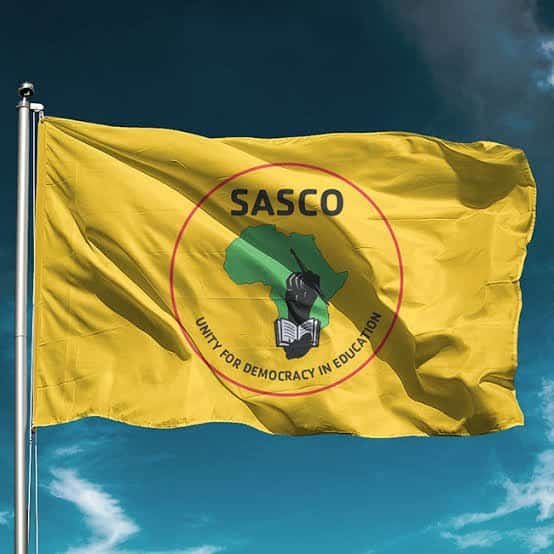
The South African Students Congress (SASCO) has called for an immediate investigation into the deaths of six University of Fort Hare students in a head-on collision on the N2 near eMaxesibeni in the Eastern Cape.
The students died on Saturday, November 14, while travelling from the university’s Dikeni campus to their homes in Mbizana for the summer holidays.
In a statement issued on Sunday, November 22, SASCO expressed its condolences to the families, friends and the university community, saying the tragedy had robbed the country of young people with dreams and futures.
The organisation also wished those who survived the crash a speedy recovery.
SASCO said the circumstances surrounding the accident highlighted the need for safer and more reliable transport for students, particularly those who travel long distances between their universities and homes.
It argued that students should not have to risk their lives when travelling home after completing an academic year.
“This is not merely a road accident. It is an indictment of a system that treats the lives and dignity of the working class as secondary,” SASCO said.
The organisation said the deaths should be considered against the principles outlined in its Students’ Charter, which calls for students to be protected from violence and danger.
It quoted the charter, which states that all students should be free from violence, sexual assault, rape, gender-based violence and “danger of any kind”.
SASCO said the need for safety should extend beyond university residences to include transport between campuses and students’ homes.
It argued that the reliance on privately operated minibuses to transport students over long distances exposed them to unnecessary risks, particularly when vehicles were not roadworthy or drivers were fatigued.
“The deaths of these six students are a direct consequence of the state’s failure to provide adequate, safe and affordable transport for students, and the broader public of our country,” the organisation said.
SASCO called on the Department of Transport and the University of Fort Hare to launch an immediate and transparent investigation into the cause of the collision.
It said anyone found responsible, whether through reckless driving or the provision of an unroadworthy vehicle, should face the full might of the law.
The organisation also raised concerns about preliminary suggestions that driver fatigue may have contributed to the collision.
It argued that fatigue should not be used as an excuse and described it as a symptom of what it called a profit-driven transport industry that exploits drivers and places passengers at risk.
SASCO further called on the Department of Higher Education and Training and the Department of Transport to establish or strengthen state-funded and state-owned student transport systems.
It proposed the use of trains, buses and other forms of transport to ensure students have access to safe and affordable travel.
The organisation also wants the university to provide trauma counselling to affected students and staff.
It said students involved in the accident, as well as those mourning the deaths of their peers, should not face academic or financial penalties because of the tragedy.
SASCO called for academic concessions for affected students and support for the families of those who died.
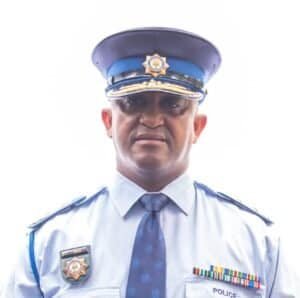
The call for accountability comes after the chairperson of Parliament’s Portfolio Committee on Transport, Donald Selamolela, also expressed concern over the deaths.
In a statement issued on Tuesday, November 17, Selamolela confirmed that the committee had learnt with sadness of the deaths of five University of Fort Hare students in the collision outside eMaxesibeni, also known as Mount Ayliff.
He extended condolences to the affected families and the university community and wished those who survived a speedy recovery.
Selamolela said the high number of deadly road accidents was unacceptable and called for stronger measures to address reckless driving ahead of the festive season.
“The rate of deadly accidents is unacceptably high and something must be done to stop them. Yes, the department and the entities are not responsible for the individual’s driver behaviour, but surely we must be able to deal with rogues on our roads,” he said.
He suggested that the Department of Transport and the Road Traffic Management Corporation consider tougher penalties for reckless drivers.
These could include compulsory prison terms and making drivers financially liable for damages resulting from their reckless behaviour.
“We must curb these accidents ahead of the festive season. These road fatalities are wholly unnecessary and are due to the recklessness of the driver,” Selamolela said.
Meanwhile, SASCO called on students at Fort Hare and other institutions across the country to observe a moment of silence and stand in solidarity with the bereaved families.
The organisation said it would continue campaigning for safer conditions for students under its Ready to Learn Campaign and Students’ Charter.
“We are not just statistics; we are human beings with dreams and futures,” SASCO said.
It reiterated its call for the principle that students should graduate alive to become a reality rather than remain a campaign slogan.