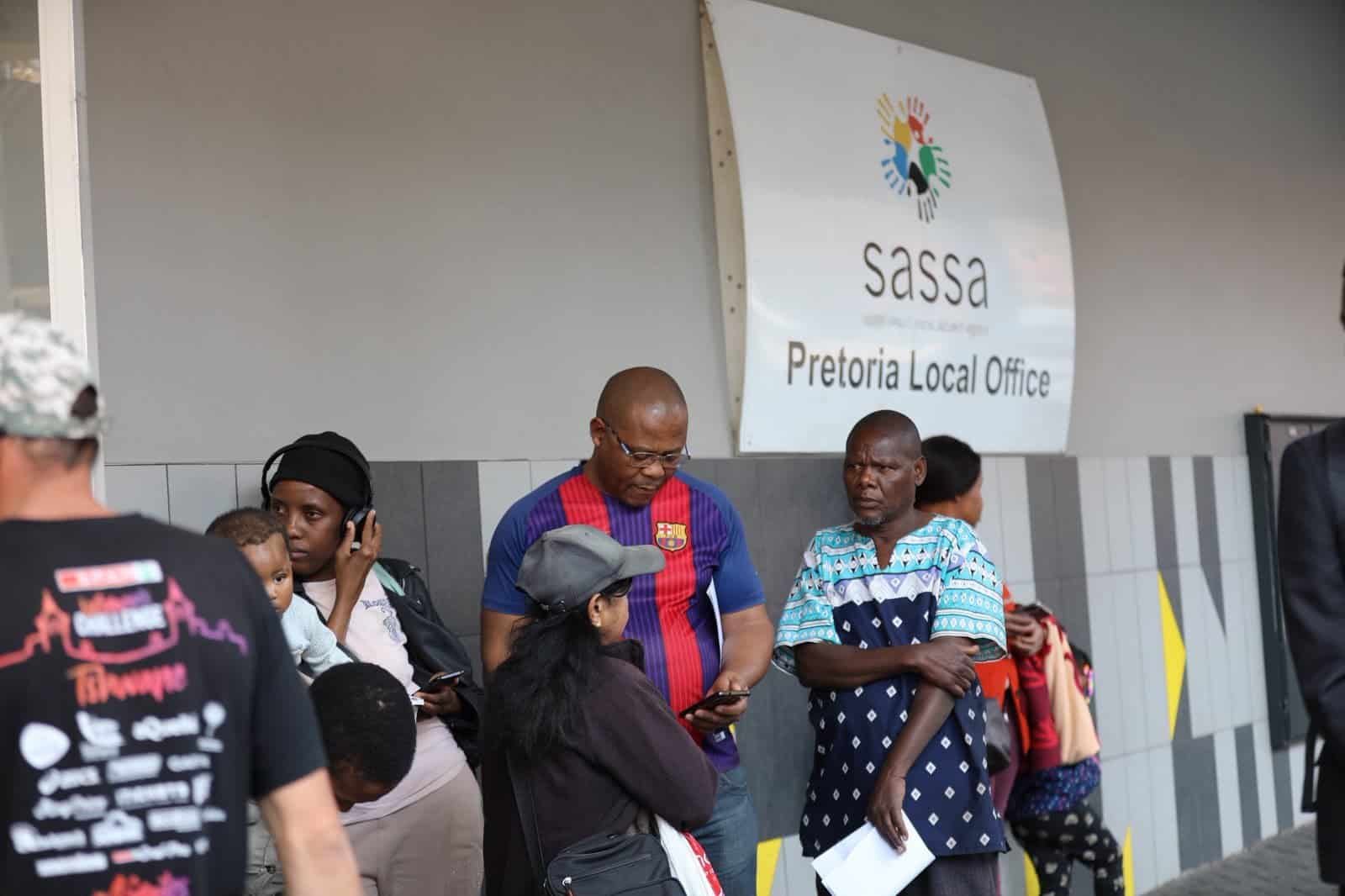
The South African Social Security Agency (SASSA) has defended its intensified social grant reviews and beneficiary verification measures following reports that money was paid to people who were allegedly not eligible to receive grants during the 2025/2026 financial year.
The agency says the measures, which include life certification checks and biometric enrolment, are intended to protect public funds, prevent fraud and ensure that social assistance reaches people who meet the eligibility requirements.
The issue was raised before Parliament’s Portfolio Committee on Social Development on Wednesday, October 7, prompting renewed scrutiny of the administration of social grants.
In a media statement issued on Friday, October 9, SASSA said it welcomed the continued scrutiny of public spending but stressed that the integrity of the social assistance system had to be protected.
The agency acknowledged criticism from some sections of society and interest groups over its intensified reviews and eLife certification processes, amid concerns that legitimate beneficiaries could lose their grants.
However, SASSA rejected suggestions that the interventions were intended to exclude qualifying beneficiaries.
“The Agency’s responsibility is to ensure that social grants are paid to people who meet the prescribed eligibility requirements and continue to meet those requirements for as long as they receive assistance,” SASSA spokesperson Dr Paseka Letsatsi said.
He said social assistance remained a constitutional obligation and a critical safety net for millions of vulnerable South Africans.
However, SASSA argued that the responsibility to protect the system against fraud, abuse, administrative errors and misrepresentation was equally important.
Beneficiaries urged to report changes
Letsatsi said beneficiaries were responsible for informing the agency about changes in their circumstances that could affect their eligibility for social assistance.
These include changes in income, employment, marital status, banking details, residential circumstances and other material personal information.
Letsatsi said grant reviews were necessary to establish whether beneficiaries continued to meet the requirements for the assistance they received.
The agency warned that grants could not be paid indefinitely without verifying whether beneficiaries still qualified.
“A social grant is not an unconditional entitlement that continues irrespective of changes in a beneficiary’s circumstances,” Letsatsi said.
The agency maintained that avoiding reviews because they were inconvenient would undermine efforts to safeguard the system.
It said the reviews were intended to establish whether beneficiaries remained eligible, rather than arbitrarily terminate payments.
The agency did not provide a breakdown in Friday’s statement of the payments to allegedly ineligible beneficiaries highlighted in recent media reports.
Life certification and biometric checks
SASSA has also intensified its eLife certification process to establish whether beneficiaries are still alive and are the legitimate recipients of social assistance.
The agency said the process was necessary to prevent public money from being paid in circumstances where a beneficiary had died, where their continued existence was uncertain, or where another person could be accessing the grant unlawfully.
The measures are intended to reduce the risk of payments continuing without proper verification.
Another intervention is beneficiary biometric enrolment, which SASSA says will strengthen identity verification and improve the security of grant transactions.
Biometric enrolment forms part of the agency’s broader efforts to prevent impersonation, fraudulent transactions and payments to people who are not the rightful beneficiaries.
SASSA said the interventions were particularly important because the social assistance system managed substantial public resources while serving millions of people.
The agency added that it could not rely indefinitely on historical information because beneficiaries’ identities, personal circumstances and payment arrangements could change over time.
“Controls must therefore evolve accordingly,” Letsatsi said.
Protecting grants without excluding the vulnerable
The intensified verification measures come as SASSA faces scrutiny over the administration of money intended to support vulnerable households.
While the agency has emphasised the need to prevent irregular payments, concerns about the potential impact of verification processes on legitimate beneficiaries remain central to the debate.
For people who depend on grants to meet basic needs, any disruption to payments can have serious consequences.
SASSA, however, maintains that beneficiaries who remain legitimately entitled to social assistance should not fear processes designed to confirm their eligibility.
The agency said the objective was to ensure that grants continued reaching those who qualified while preventing public funds from being lost through fraudulent or improper payments.