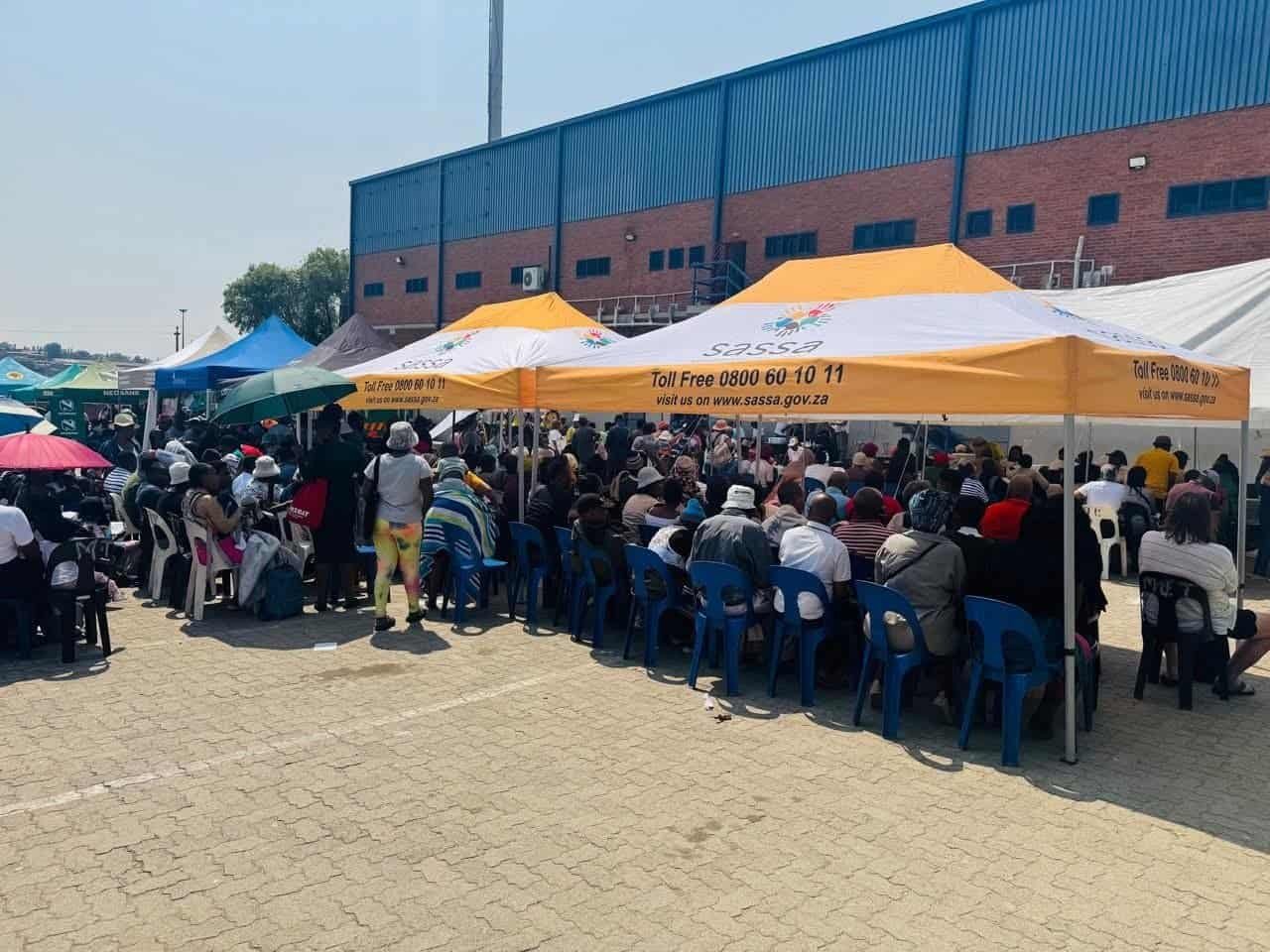
The South African Social Security Agency (SASSA) in Gauteng has raised alarm over a surge in alleged fraudulent and exploitative practices affecting social grant beneficiaries, including unauthorised deductions and the illegal sale of queue positions at its offices.
SASSA’s Gauteng regional office on Friday said it was deeply concerned about reports that beneficiaries are being misled into signing documents that result in unauthorised deductions from their grants, often linked to funeral or insurance policies.
The warning follows growing complaints from beneficiaries, including a widely circulated TikTok video in which an elderly woman claims she was deceived into signing paperwork that led to unexpected deductions from her grant.
SASSA spokesperson Lungelo Mkamba said the agency takes such allegations seriously, noting that they point to possible exploitation of vulnerable people who rely on social assistance for survival.
“These allegations undermine public trust in the social assistance system and suggest that beneficiaries may be targeted through misleading practices,” Mkamba said.
He emphasised that SASSA does not partner with insurance or funeral service providers to enrol beneficiaries into financial products without their full knowledge and consent.
The agency said it continues to receive reports from beneficiaries who notice unexplained deductions from their grants, often attributed to third-party service providers. It stressed that any deductions must comply with strict legal requirements.
Under Regulation 29 of the Social Assistance Act, only one deduction—limited to no more than 10% of a grant—is permitted, and only for a funeral policy issued by a registered insurer with the beneficiary’s explicit consent. No deductions are allowed on child-related grants, including the Child Support Grant and Foster Child Grant.
SASSA has urged beneficiaries who suspect they have been misled or did not consent to any deductions to report the matter at their nearest office for investigation. They can also dispute deductions via SMS by sending their ID number and the service provider’s name to 34548, and are encouraged to cancel any unauthorised policies directly with the relevant companies.
At the same time, the agency has condemned a separate but growing problem—the illegal sale of queue positions at SASSA offices.
SASSA CEO Themba Matlou described the practice as “unacceptable and unlawful”, warning that it preys on the most vulnerable, including the elderly and people living with disabilities.
“This is a serious exploitation of vulnerable members of society who rely on social assistance for survival,” Matlou said. “We cannot allow it to happen.”
Reports indicate that individuals are charging beneficiaries to secure earlier positions in queues at SASSA offices, effectively turning access to essential services into a paid privilege.
Matlou said the agency would not tolerate such behaviour and would work with law enforcement authorities to take action against those involved. He added that any SASSA officials found to be complicit would also face consequences.
To address the issue, SASSA said it is strengthening security measures at its offices and improving queue management systems to ensure fair and orderly access for all beneficiaries. Priority service channels for the elderly, people with disabilities and other vulnerable groups are also being reinforced.
The agency acknowledged ongoing challenges with service delivery at some offices, including long queues and system inefficiencies, but said efforts are underway to improve operations.
“We are working tirelessly to enhance our queue management systems and improve the overall customer experience,” Matlou said.
As part of these efforts, beneficiaries are encouraged to use SASSA’s self-service online platforms, including the eLife Certification system, which allows clients to verify their details without visiting offices—helping to reduce congestion and travel costs.
SASSA also reminded the public that its services are provided through recognised offices and that officials do not conduct door-to-door visits, warning beneficiaries to be cautious when approached to sign documents.
As the agency marks 20 years of providing social assistance, it said protecting beneficiaries from fraud, misinformation and exploitation remains a top priority, with awareness campaigns and stakeholder engagements being intensified across Gauteng.