South African authorities have intensified efforts to clamp down on corruption within the country’s immigration system, with the Special Investigating Unit (SIU) warning that some officials have effectively turned the country’s borders into a “marketplace” where permits and visas were sold to the highest bidder.
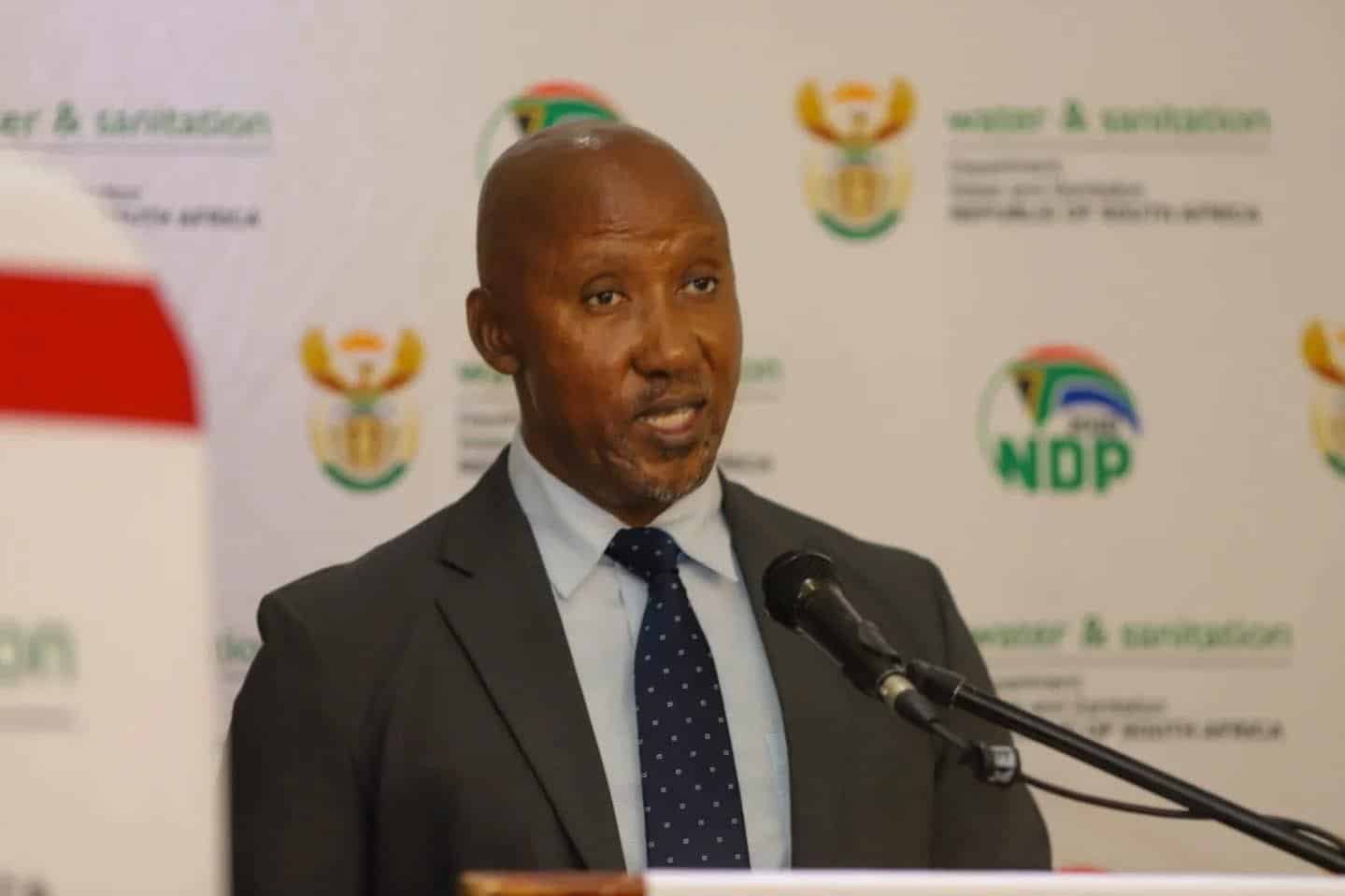
Speaking during an anti-corruption campaign at the Maseru Bridge Border Post on Tuesday, acting SIU head Leonard Lekgetho said corruption within the border and immigration sector has become a serious threat to national security, economic development and public trust in state institutions.
Lekgetho addressed officials and stakeholders as chairperson of the Border Management and Immigration Anti-Corruption Forum (BMIACF), a multi-sector initiative established to tackle corruption at South Africa’s ports of entry.
“It is a great honour and privilege to be part of this high-level campaign against fraud and corruption in the border and immigration sector,” Lekgetho said. “Corruption has become endemic, infiltrating institutions meant to protect our people.”
He warned that corruption weakens democracy, undermines service delivery and deprives citizens of opportunities for socio-economic development.
Recent investigations conducted by the SIU have uncovered widespread irregularities involving immigration officials responsible for processing permits and visas. According to Lekgetho, some officials abused their positions by approving fraudulent documentation in exchange for bribes.
The SIU found that officials earning less than R25,000 per month had received deposits amounting to more than R16 million, often funnelling the money through spouses’ bank accounts to conceal the illicit payments.
“These officials built mansions, purchased luxury vehicles and enriched themselves through unlawful approvals of fraudulent permits,” Lekgetho said.
Investigators also uncovered organised syndicates exploiting weaknesses in verification systems. External actors were allegedly involved in manipulating officials to secure fraudulent residence permits, including controversial preacher Shepherd Bushiri and businessman Kudakwashe Mpofu.
Lekgetho said the findings painted a “grim picture” of how the country’s immigration processes had been abused.
“Citizenship was made cheap, integrity betrayed and the nation’s borders auctioned off one permit at a time,” he said.
The SIU has been investigating immigration corruption under Proclamation 154 of 2024, which empowers the unit to probe irregularities and refer matters for criminal prosecution, disciplinary action and administrative review.
Lekgetho said hundreds of cases had already been referred for further action, with several officials dismissed and others expected to face criminal prosecution.
In one case highlighted by the SIU, a senior official used fraudulent permits to secure a chief financial officer position and acquire luxury assets, including high-end vehicles. That case has already resulted in convictions and sentencing.
“These outcomes demonstrate that corruption has consequences,” Lekgetho said. “No official, regardless of rank, will escape accountability when they betray public trust.”
The anti-corruption campaign forms part of the broader work of the BMIACF, which was established in 2025 to bring together law enforcement agencies, civil society organisations, organised labour and the private sector to strengthen cooperation in combating border-related corruption.
The SIU has also introduced preventative measures through its National Corruption Risk Management and Prevention Framework, which includes lifestyle audits, employee vetting, data analytics and the use of artificial intelligence to detect irregularities.
Lekgetho said prevention must work alongside consequence management to effectively combat corruption.
Despite the challenges, he acknowledged the many immigration and border officials who continue to serve with integrity.
“To those who resist bribery and protect the nation’s borders with honour, South Africa thanks you,” he said.
He also urged officials and members of the public to report corruption whenever they encounter it, stressing the importance of whistleblowers in exposing wrongdoing.
Lekgetho concluded by calling for a united effort to safeguard the country’s borders.
“Together, through a whole-of-government and society approach, we can restore trust, protect our borders and ensure that citizenship is never up for auction again.”