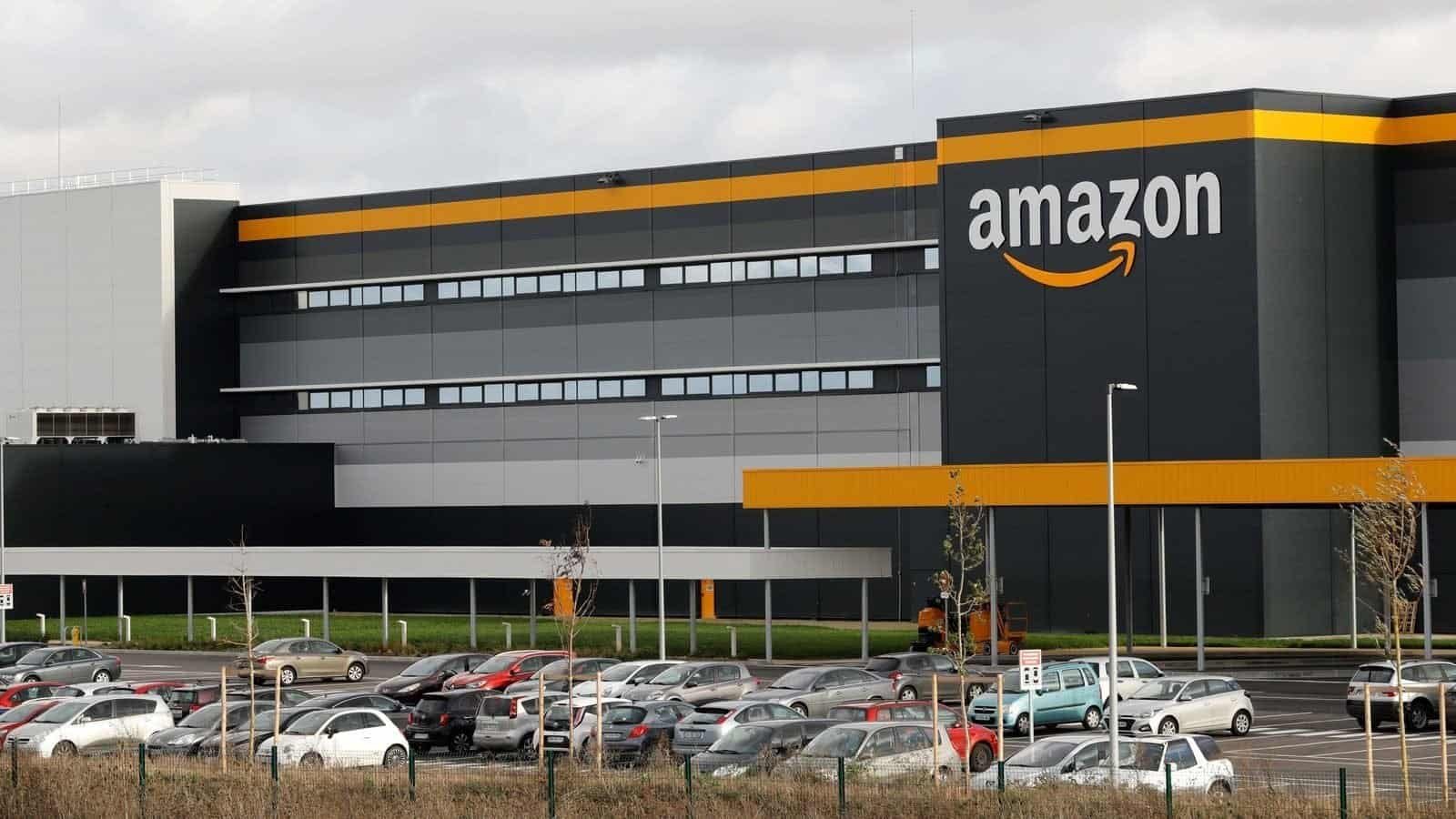
Trade union Solidarity has lodged a complaint with the Organisation for Economic Co-operation and Development (OECD) against Amazon Web Services (AWS), accusing the technology giant of discriminating against all South African businesses with white ownership.
The complaint, according to the trade union’s media release on Tuesday, centres on an AWS development and acceleration programme for small businesses seeking to grow their AWS operations and become partners in Amazon’s Partner Network. Solidarity claims the programme requires applicants to be 100% black-owned, effectively excluding businesses with any white ownership.
Solidarity Chief Executive Dr Dirk Hermann argues that the requirement amounts to an excessive race-based exclusion that goes beyond what South African law requires.
The complaint, Solidarity said, has already been submitted to the US National Contact Point for the OECD in Washington, DC, as Amazon is headquartered in the United States.
The dispute comes as Amazon has established a significant and growing presence in South Africa over more than two decades.
Amazon first established a presence in the country in 2004, when it opened a development centre in Cape Town. According to Amazon, the centre worked on technologies including networking, customer-support software and technology behind its Amazon EC2 cloud-computing service.
AWS subsequently expanded its South African footprint. In 2015, it opened an office in Johannesburg, while in 2017 the company expanded its global network into some parts of Africa through AWS Direct Connect.
In April 2020, AWS opened the AWS Africa (Cape Town) Region, giving customers across Africa access to locally hosted cloud infrastructure. The Cape Town region was launched with three Availability Zones and represented a major expansion of Amazon’s technology infrastructure on the continent.
Amazon later expanded its consumer operations in the country, launching Amazon.co.za in 2024 and allowing South African customers to shop from local and international sellers.
The union alleged businesses with even partial white ownership are automatically excluded from the AWS development programme, regardless of their size, potential or workforce composition.

Hermann said the requirement was difficult to reconcile with Amazon’s stated commitment to inclusivity.
“The US government is right to put pressure on South Africa to scrap race laws that impose trade restrictions on American businesses, yet an American giant is using race-based requirements to enforce trade restrictions in South Africa,” Hermann said.
He said Solidarity would also inform the US government about the complaint and the alleged violation.
“If Amazon is found guilty, Solidarity will also call on the US government to take further action,” Hermann said.
Solidarity maintains that AWS cannot simply rely on South Africa’s broad black economic empowerment framework to justify an absolute 100% black-ownership requirement.
The union argues that South African law does not require every business benefiting from development programmes to be entirely black-owned.
It has also accused AWS of creating what it describes as an “impenetrable racial barrier” that prevents black and white entrepreneurs from participating together in the programme.
Solidarity further argues that the policy should be assessed against the OECD Guidelines for Multinational Enterprises on Responsible Business Conduct, which set standards for multinational companies in areas including human rights, labour relations and responsible business conduct.