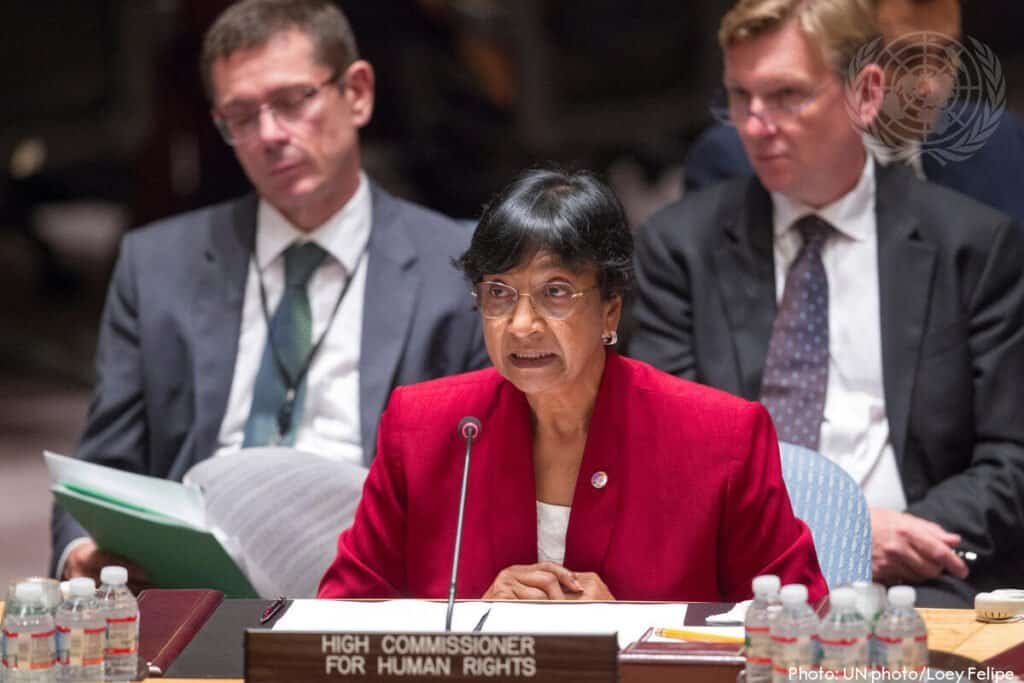
South Africa is celebrating another historic moment on the world stage after veteran human rights lawyer and jurist Justice Navanethem “Navi” Pillay was awarded the 2026 Nobel Peace Prize for her lifelong contribution to international law, justice and the protection of human rights.
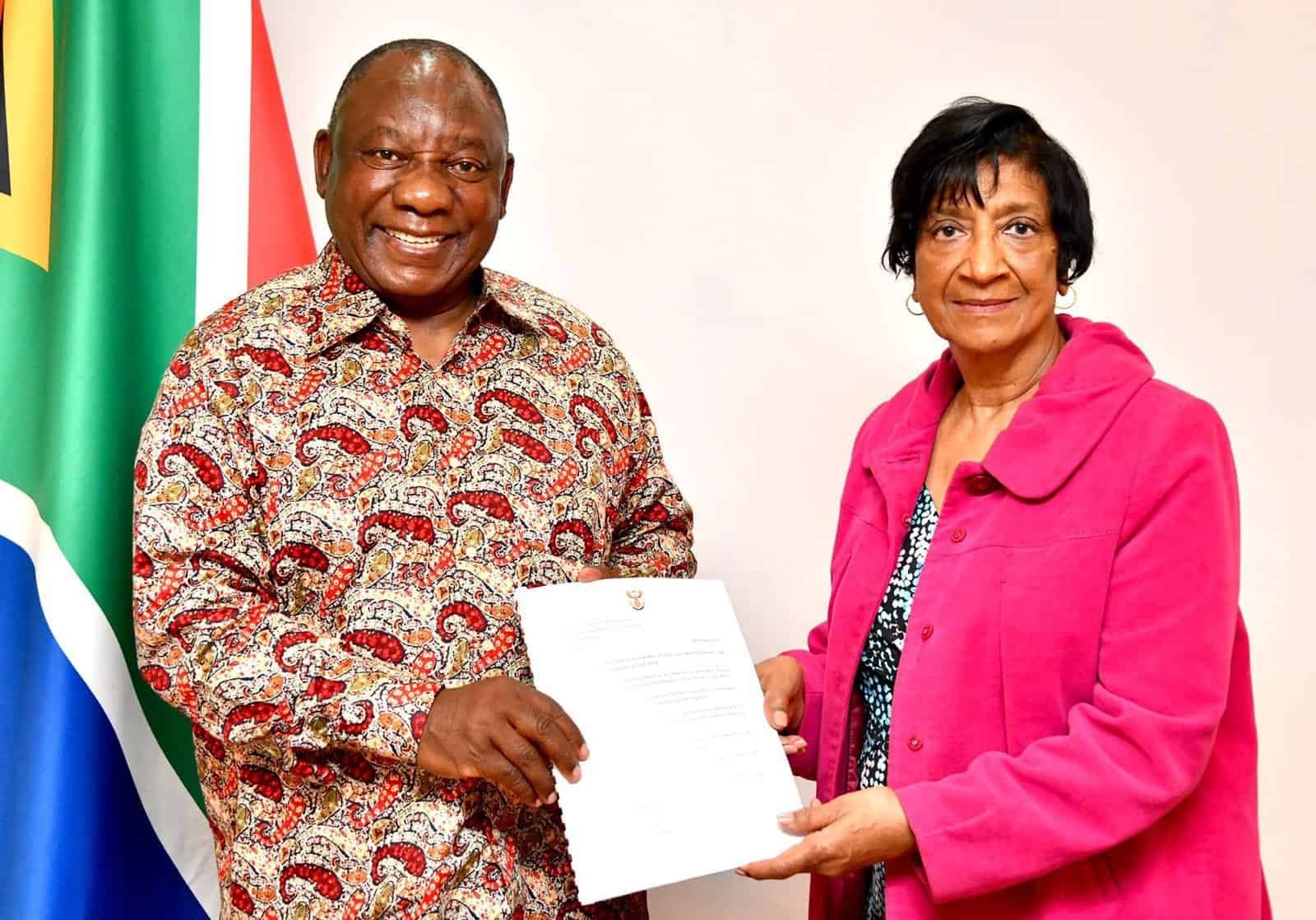
President Cyril Ramaphosa congratulated the 85-year-old South African on Friday, describing the prestigious international recognition as a tribute to her courage, integrity and unwavering commitment to justice.
Pillay joins an extraordinary group of South Africans whose contributions to peace and reconciliation have earned global recognition, including Chief Albert Luthuli, Archbishop Desmond Tutu, former president Nelson Mandela and former president FW de Klerk.
The Norwegian Nobel Committee announced that Pillay had been awarded the prize for her efforts to promote peace and international law, recognising her role in strengthening the prosecution of war crimes, crimes against humanity and genocide.
The committee praised her for helping advance a more comprehensive international legal order at a time when accountability and the protection of human rights remain critical global concerns.
For South Africa, Pillay’s achievement is a source of national pride, highlighting how a legal career that began under apartheid has grown into a lifelong commitment to defending human dignity across the world.
“Justice Pillay’s crowning as winner of the Nobel Prize allows us to celebrate the progressive contributions she has made to strengthen peace, uphold human dignity and bring hope in South Africa and to peoples globally,” Ramaphosa said.
“He has served humanity with principle and the belief that the world can and should be a better place.”
From apartheid South Africa to international justice
Born into a family of Indian Tamil heritage in Durban in 1941, Pillay built her legal career during a period when apartheid systematically denied millions of South Africans their fundamental rights.
She became a pioneering lawyer who defended anti-apartheid activists and members of the liberation movement, including Mandela.
Her determination to challenge injustice continued after apartheid, taking her from South Africa’s legal system to some of the world’s most important international judicial institutions.
In 1995, she became the first non-white woman appointed to South Africa’s High Court.
She subsequently served as a judge and president of the International Criminal Tribunal for Rwanda from 1995 to 2003, helping advance accountability for crimes committed during the 1994 genocide.
From 2003 to 2008, she served as a judge in the Appeals Chamber of the International Criminal Court before becoming United Nations High Commissioner for Human Rights, a position she held from 2008 to 2014.
She is currently an ad hoc judge at the International Court of Justice, where she has distinguished herself in the genocide case brought by The Gambia against Myanmar.
Her Nobel Peace Prize recognises a career spanning decades and continents, built around the principle that serious violations of human rights must not go unpunished.
Joining South Africa’s Nobel Peace laureates
Pillay’s achievement adds another chapter to South Africa’s history of international recognition for advancing peace and justice.
In 1960, Chief Albert Luthuli became the first African to receive the Nobel Peace Prize, recognised for his non-violent struggle against apartheid. He received the award in 1961.
In 1984, Archbishop Desmond Tutu was honoured for his leadership in the non-violent campaign against apartheid and his efforts to bring about change.
In 1993, Mandela and de Klerk jointly received the Nobel Peace Prize for their work towards the peaceful termination of apartheid and laying the foundations for a democratic South Africa.
Their recognition reflected the international significance of the country’s transition from racial oppression towards democracy.
Pillay’s award continues that legacy, placing the spotlight on the role of law, human rights and accountability in building a more peaceful world.
Ramaphosa said the honour should also inspire South Africans to build a society where everyone, regardless of their circumstances, could develop their abilities and contribute meaningfully to the country and the world.
“We are proud that Justice Pillay joins Chief Albert Luthuli, Archbishop Desmond Tutu, President Mandela and Former President FW de Klerk in highlighting the far-reaching impact of South Africans on peace, justice and the advancement of humanity,” he said.
The President congratulated Pillay and wished her well as she continued her work across platforms dedicated to protecting human rights and dignity.
For South Africans, her achievement is a reminder that the pursuit of justice can reach far beyond national borders and that one person’s determination to challenge inequality can contribute to shaping international law.
As the country celebrates another Nobel Peace Prize laureate, Pillay’s journey stands as an enduring example of how courage, principle and a commitment to human dignity can leave a lasting mark on the world.