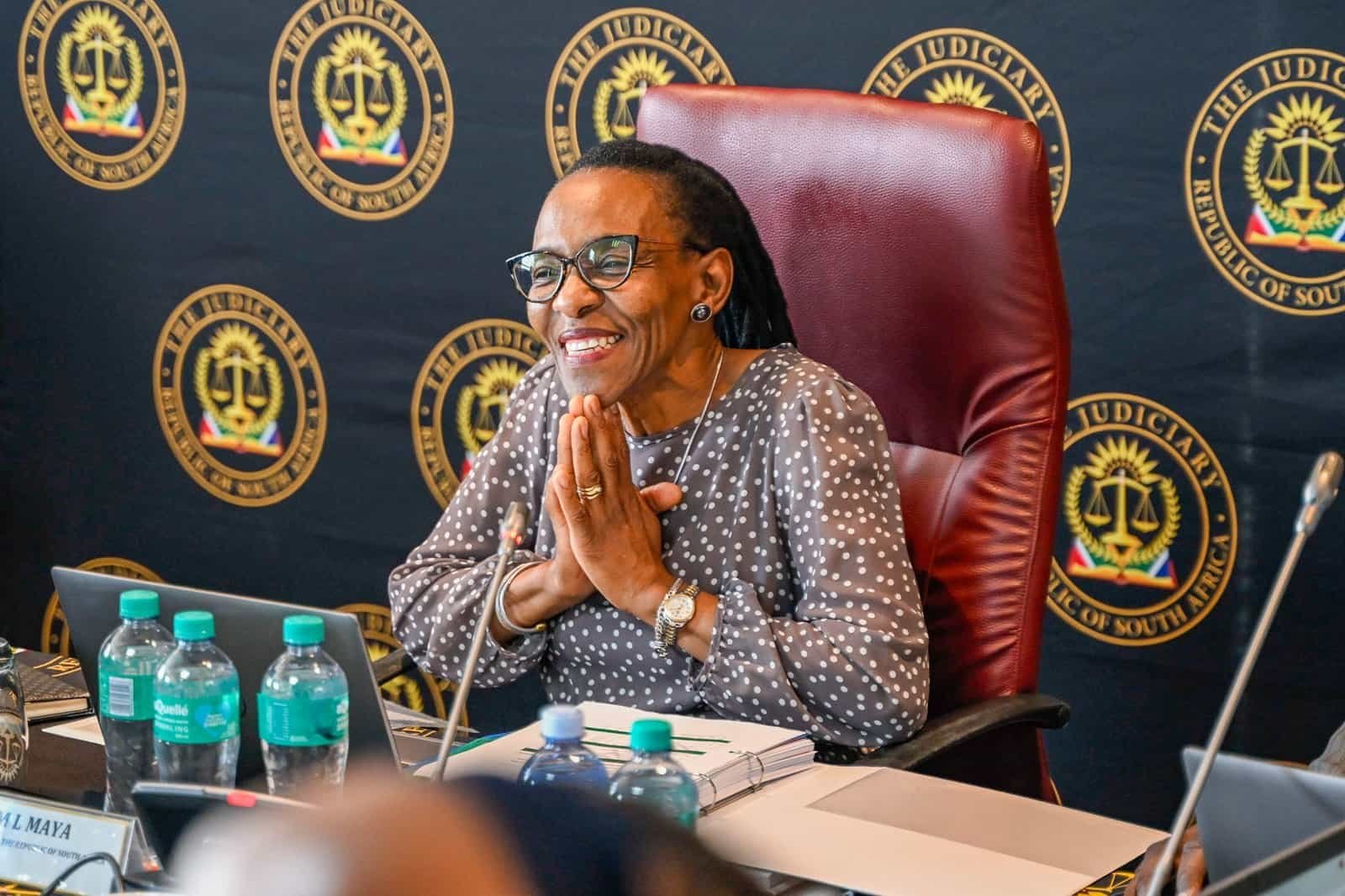
South Africa is set to host some of the continent’s most influential women in the legal profession later this month, as the Judiciary prepares to convene the Second High-Level Meeting of Women Judicial Leaders of Africa in Johannesburg.
The three-day gathering, led by Chief Justice Mandisa Maya, will take place from 21 to 23 April 2026 in partnership with the Conference of Constitutional Jurisdictions of Africa (CCJA). The meeting is expected to bring together senior female judges and judicial leaders from across the African continent.
The CCJA, which includes 49 constitutional jurisdictions and several observer members, plays a key role in promoting constitutionalism, the rule of law and democratic governance within member states. South Africa has been part of the body since 2012.
This year’s meeting builds on the inaugural gathering held in Libreville, Gabon, in 2023, and aims to deepen collaboration among women in judicial leadership while strengthening efforts to advance gender equality within legal systems.
According to the Judiciary, the conference will provide a platform for participants to exchange knowledge, share best practices and develop strategies to improve access to justice for women across Africa. Discussions are also expected to focus on strengthening gender-responsive jurisprudence and enhancing the role of women in leadership within the judiciary.
The event comes at a time when, despite progress in many African countries, women continue to face significant barriers in accessing justice and achieving equal representation in legal institutions.
Organisers say the meeting will be guided by key regional and international frameworks that promote women’s rights, including the Convention on the Elimination of All Forms of Discrimination Against Women and the Maputo Protocol. These instruments form part of broader efforts to address inequality and ensure the protection of women’s rights across the continent.
The timing of the conference also coincides with several major milestones in South Africa and across Africa. These include the 20th anniversary of the Maputo Protocol, the 30th anniversary of the Constitution of South Africa, and 60 years since the historic 1956 Women’s March to the Union Buildings in Pretoria.
These anniversaries are expected to shape discussions at the conference, highlighting the progress made in advancing women’s rights, while acknowledging the challenges that remain.
The Judiciary said the meeting will emphasise the importance of building a more inclusive and representative justice system that reflects the diversity of African societies. It will also explore how courts can play a more active role in addressing gender-based inequalities through their rulings and leadership.
South Africa’s role as host is seen as significant, given its constitutional commitment to human rights and equality. The country’s legal framework has often been cited as a model in advancing gender equality, although challenges persist in practice.
By bringing together women judicial leaders from across the continent, organisers hope the conference will strengthen networks, encourage mentorship and support the next generation of women in the legal profession.
The outcomes of the meeting are expected to contribute to ongoing efforts to transform judicial systems in Africa, ensuring they are more accessible, equitable and responsive to the needs of all citizens, particularly women.