The Government Communication and Information System (GCIS) has welcomed a significant endorsement of the country’s economic standing, following a recent assessment by Bank of America that ranks South Africa as the leading equity market in its region.
The ranking, issued by one of the world’s largest financial institutions, positions South Africa at the top of its regional equity market assessment, signalling renewed global confidence in the country’s investment environment. According to GCIS, this recognition reflects the resilience and sophistication of South Africa’s financial system, even amid global economic uncertainty marked by inflationary pressures, geopolitical tensions, and slower growth in major economies.
South Africa’s financial markets remain among the most advanced in Africa, with the Johannesburg Stock Exchange (JSE) consistently ranked as the continent’s largest and most liquid exchange. The country also boasts a well-regulated banking sector, with its major banks regularly meeting international capital adequacy standards. These strengths, combined with a transparent legal framework and independent institutions, have helped sustain investor trust.
Government spokesperson Nomonde Mnukwa said the ranking affirms that ongoing economic reforms are beginning to yield measurable results. Key interventions have focused on stabilising electricity supply, improving freight and port logistics, and strengthening fiscal discipline. These reforms come at a crucial time, as energy shortages and infrastructure bottlenecks have previously weighed heavily on economic growth.
Recent data supports this positive trajectory. Inflation has moderated within the South African Reserve Bank’s target range of 3% to 6%, while the rand has shown relative resilience compared to other emerging market currencies. Additionally, government has made progress in reducing load shedding through a mix of public and private sector energy initiatives, including increased renewable energy capacity.
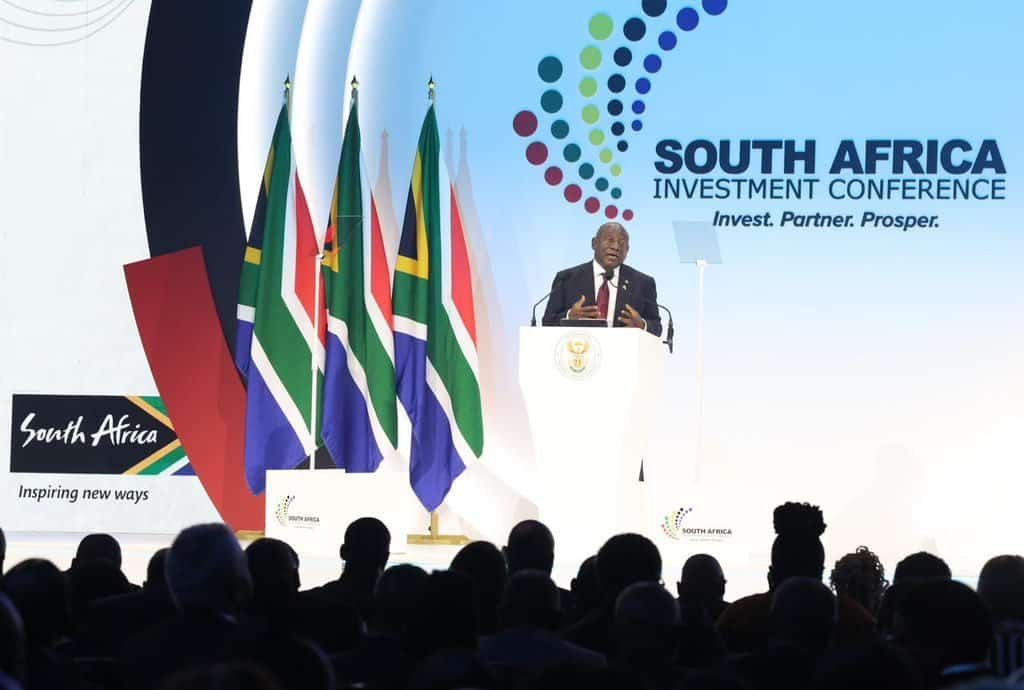
Further boosting confidence are the investment commitments announced at the 6th South Africa Investment Conference (SAIC), which totalled an impressive R889.8 billion. These pledges span multiple sectors, including manufacturing, energy, infrastructure, and digital technology, and are expected to support job creation and long-term economic growth.
Economists note that foreign direct investment (FDI) inflows into South Africa have shown signs of recovery, with billions of rand directed into strategic industries over the past two years. This trend reflects a broader shift, as investors increasingly seek stable and well-regulated markets within emerging economies.
Despite these gains, challenges remain. South Africa’s unemployment rate, currently above 30%, continues to pose a significant socio-economic risk. However, government maintains that sustained investment and structural reform will be key to addressing these issues and unlocking inclusive growth.
GCIS has called on both local and international investors to capitalise on emerging opportunities in sectors such as green energy, mining, agriculture, and technology. The agency emphasised that policy certainty and continued reform will remain central to maintaining investor confidence.
“South Africa is open for business,” Mnukwa said, adding that the latest ranking reinforces the country’s position as a compelling and competitive destination for investment on the African continent.