Chaos continues to engulf South Africa’s transport sector as taxi violence escalates into open bullying of private motorists and e-hailing operators, forcing the government to step in.
In recent weeks, shocking incidents in Gauteng and KwaZulu-Natal have laid bare how deeply entrenched intimidation tactics have become. Families, commuters, and business owners say they live in fear of taxi operators who forcefully impose their authority on the roads.
The tension boiled over last week when Soweto e-hailing driver Mthokozisi Mvelase, 27, was shot and his body burned at Maponya Mall. The brutality sent shockwaves across the nation and sparked community outrage, with Soweto residents branding taxi operators “bullies” and demanding the right to freely choose their mode of transport.
“People must not be forced into taxis. We want freedom to use our cars, or e-hailing, without fearing for our lives,” said Soweto resident Nomvula Maseko, who joined protests outside Maponya Mall.
Gauteng MEC for Roads and Transport, Kedibone Diale-Tlabela, announced that she will meet with Maponya Mall management and law enforcement on Monday to address the unrest.
Her office confirmed the visit aims to “bring stability” and implement resolutions from an emergency stakeholder meeting held last week. Among the commitments made were: all public transport operators must be allowed equal access to operate inside the mall. The mall must remain operational to protect jobs. The department will set up a temporary office to assist operators with licensing. No operator or passenger should endure intimidation or fear of any form.
“This level of lawlessness cannot be tolerated,” Diale-Tlabela said. “Government will not stand by while communities are terrorised. No one should dictate to citizens how to travel.”
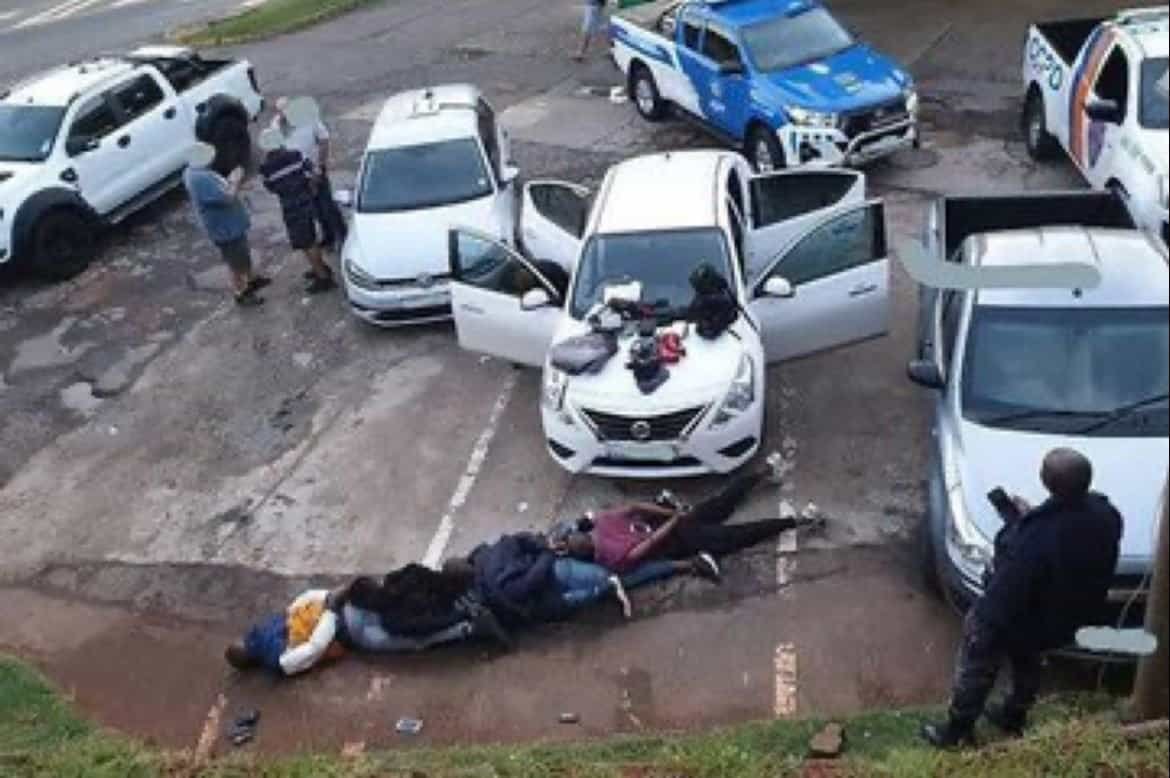
KwaZulu-Natal has also been rocked by taxi intimidation. In Durban, a family of three was dragged out of their own car by taxi operators on Friday. The suspects attempted to seize the vehicle, allegedly claiming the family should have been using a taxi.
Believing they were victims of a hijacking, the family contacted their car-tracking company. The tracking team intercepted the vehicle, shooting two of the suspects in the legs before handing all four alleged taxi drivers over to police.
KZN MEC for Transport, Sipho Duma, condemned the incident, warning that the province “will not be held hostage by criminal elements hiding behind the taxi industry.”
“KwaZulu-Natal has witnessed enough bloodshed linked to the taxi sector,” Duma said. “We cannot allow rogue operators to tarnish the reputation of the entire industry while putting the lives of ordinary families at risk. Law enforcement will act decisively, and arrests must follow intimidation and violence.”
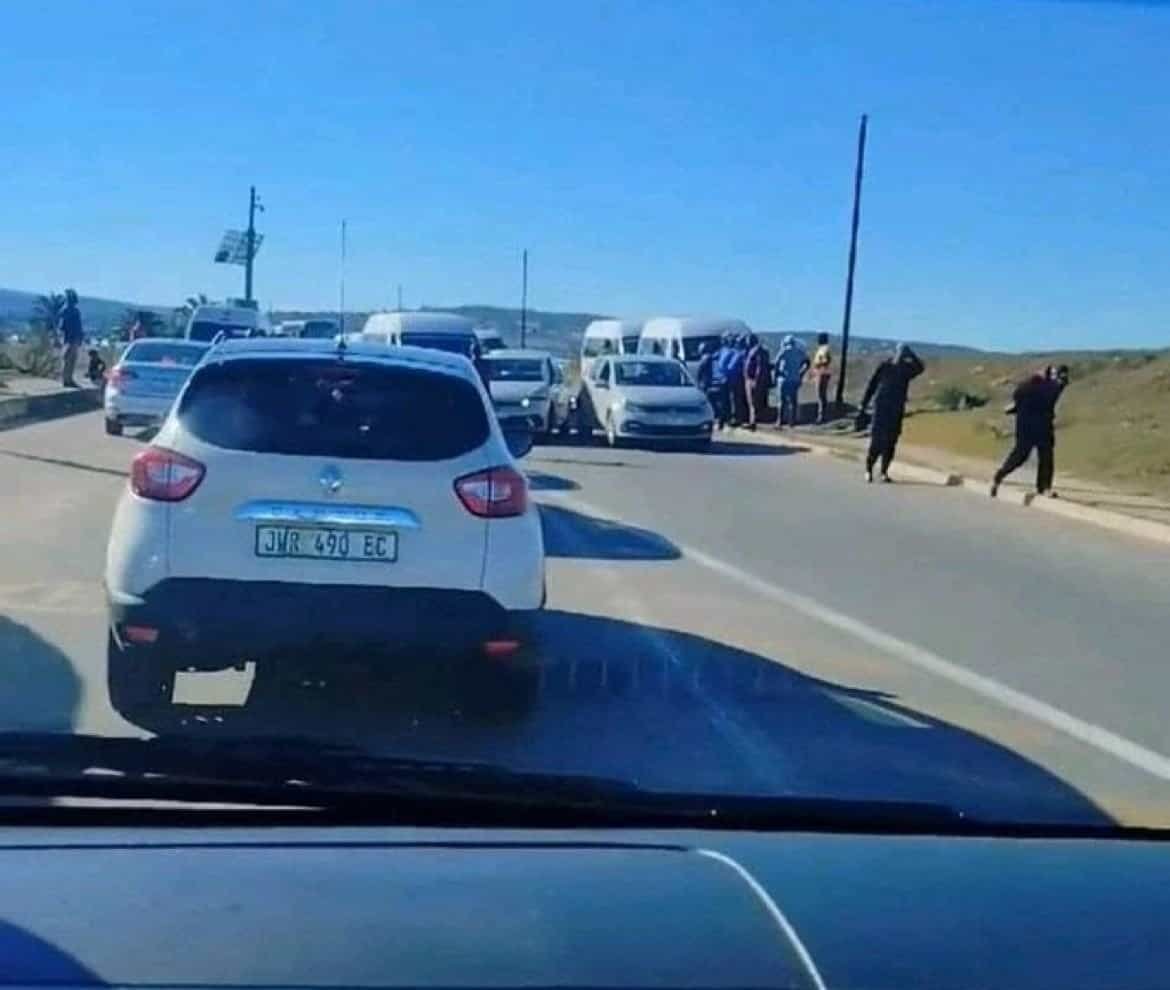
Social media has been flooded with videos of similar confrontations. In one clip, taxi operators are seen pulling passengers out of private cars and forcing them to board taxis. Another video shows taxis blocking intersections in KwaMashu, demanding motorists “respect the industry.”
Security experts warn the violence could spiral into a nationwide conflict if unchecked. “The situation is now a three-way war between taxis, private motorists, and e-hailing operators,” said a transport safety analyst.
Public outrage is mounting on social media. X user Phuti Semenya posted an image of taxi operators stopping light motor vehicles with the caption:
“Taxi association to start initiating passenger counting roadblocks in private vehicles. They say South Africans are not allowed to have more than one passenger, even if it’s your family.”
Another user, @LuvuyoLV, wrote:
“We are now bullied more than ever. Taxis are forcing us to abandon our cars and e-hailing. They don’t care if you’re transporting your kids.”
The South African National Taxi Council (SANTACO) has distanced itself from the violence, dismissing viral claims that it had banned private motorists from carrying passengers.
“SANTACO has never issued such communication and has never imposed any mode of transport on the public,” said national spokesperson Mmatshikhidi Rebecca Phala. “Taxi operations are voluntary. We condemn harassment and urge citizens to report such acts directly to law enforcement.”
However, critics argue that SANTACO has failed to rein in rogue operators who tarnish the industry’s reputation. Civil society organisations are now calling for harsher regulation of the taxi sector, which transports over 15 million commuters daily and dominates nearly 65% of public transport trips in South Africa.
As Gauteng and KZN become epicentres of the clashes, ordinary South Africans are caught in the crossfire. Parents fear for their children’s safety. Motorists avoid certain routes. Mall managers and business owners worry about declining trade.
“The right to mobility is a constitutional right,” said Soweto community leader Mandla Dlamini. “It cannot be dictated by violent groups. Government must choose whether to protect the people, or bow to the taxi industry.”
With MEC Diale-Tlabela’s intervention set for Monday, and pressure mounting on national authorities to act, the coming days may determine whether South Africa reclaims its roads—or loses them to lawless intimidation.