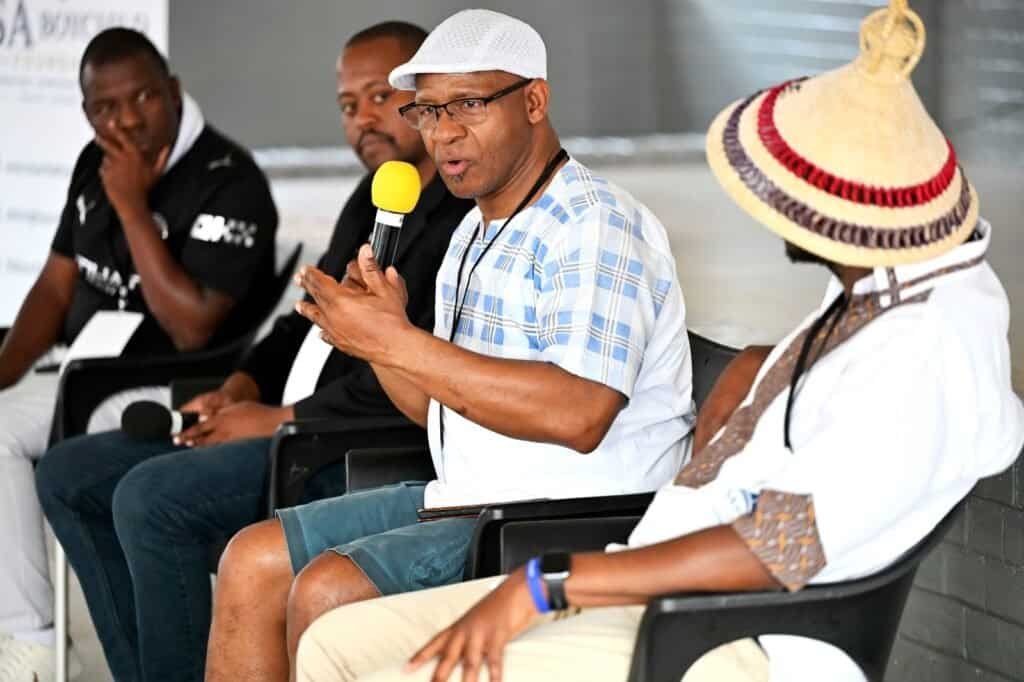
Men in Soweto have been urged to confront mental health challenges, substance abuse, gender-based violence and financial pressures through open conversations and greater accountability.
The call was made at the Orlando Ekhaya Men’s Symposium held at the Orlando Ekhaya Flats in Soweto on September 24 as part of Heritage Day celebrations.
The symposium, organised by the SA Boy Child Foundation in partnership with community organisations, brought together community members and speakers to discuss the challenges facing men and their role in society.
Held under the theme “Men and their Role in Society”, the event focused on social, emotional and health issues affecting men and the need to challenge harmful ideas about masculinity.
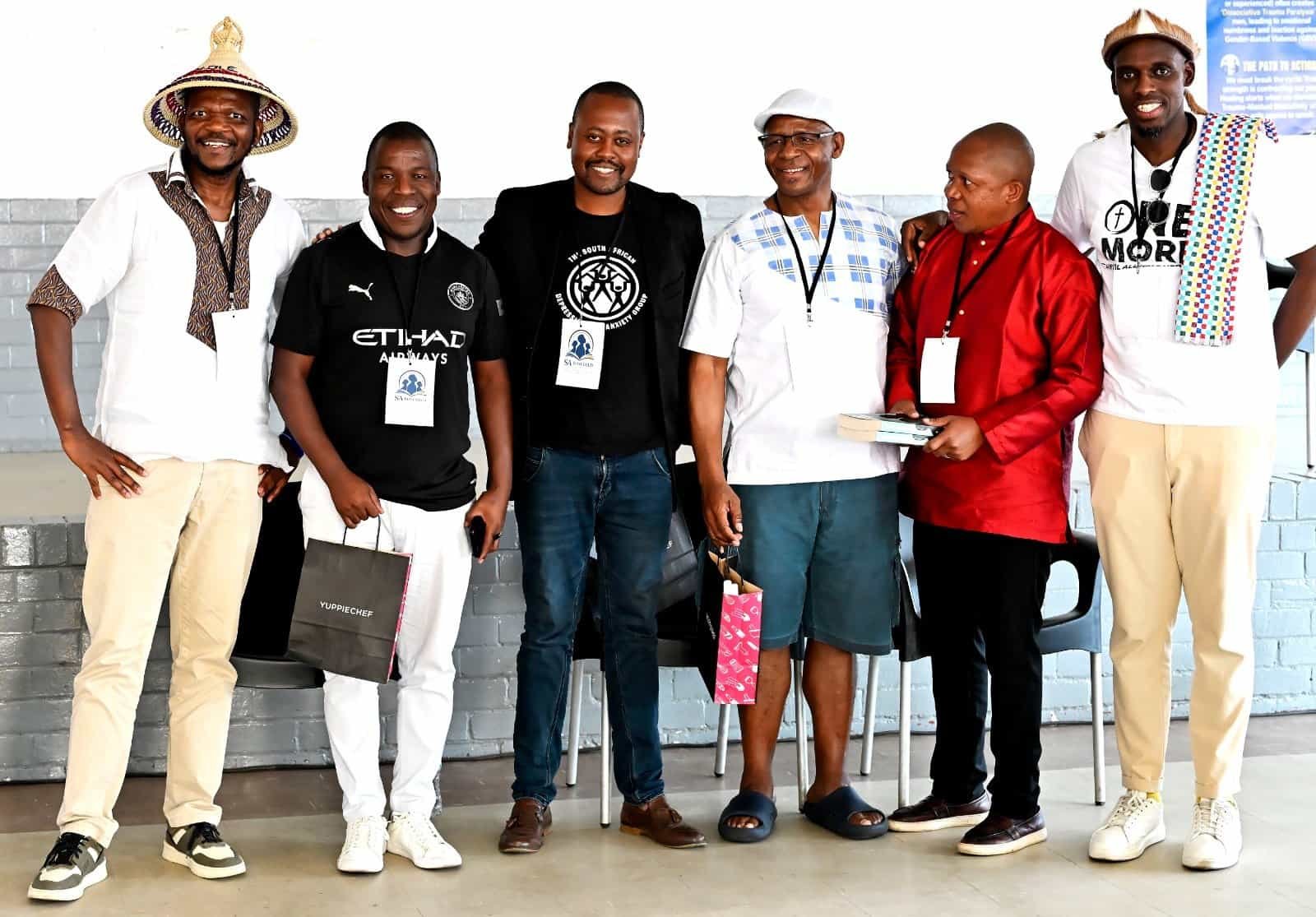
Tebogo Ramadiro, a Substance Abuse Project Coordinator at the South African Depression and Anxiety Group (SADAG), addressed the relationship between mental health, substance abuse and masculinity.
Ramadiro highlighted the importance of men seeking emotional support and prioritising their mental wellbeing, particularly in communities where stigma can make it difficult for men to speak openly about their struggles.
The symposium also examined the role of men in addressing gender-based violence.
Speaker Modise Moathlodi delivered a presentation focused on GBV, examining how unhealthy coping mechanisms and inadequate role models can influence male behaviour.
Moathlodi called for a broader understanding of fatherhood and leadership, while urging men to take responsibility for their actions and demonstrate healthier behaviour to younger generations.
“Men need honest conversations about healthy masculinity, emotional intelligence, and active, non-abusive accountability in families and communities,” Moathlodi said.
He said some unhealthy coping mechanisms used by men included alcohol and substance abuse, reckless sexual behaviour, emotional outbursts and violence.
The discussions placed emphasis on accountability while also encouraging men to seek assistance when dealing with emotional and psychological challenges.
Financial pressure was another issue discussed at the symposium.
Financial adviser Neo Mosetla spoke about the economic pressures facing men and the importance of financial planning and budgeting.
Mosetla acknowledged that financial difficulties can make it difficult for people to save but said managing available resources effectively remained important for long-term financial stability.
The event was also aimed at challenging the stigma surrounding discussions about vulnerability and mental health among men.
Dr Ntokozo Lwandle, a founding member of the SA Boy Child Foundation, urged men to seek professional assistance when dealing with psychological and emotional difficulties.
“There has to be psychological change that needs to happen. Change can only happen if we, as men and leaders in society stand up,” Lwandle said.
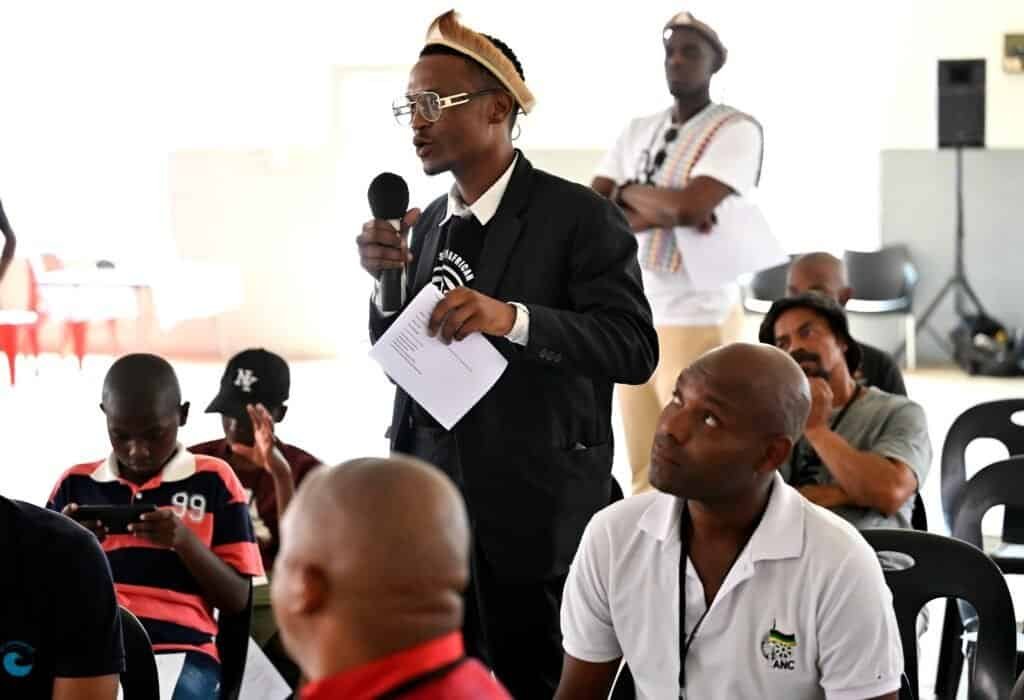
The symposium brought together community thought leaders, influencers and residents who participated in discussions about the pressures facing men and expectations placed on them within families and communities.
Organisers said the event was intended to provide men with information and tools to navigate challenges affecting their lives while creating space for conversations about issues that are often difficult to discuss.
The discussions also highlighted the connection between personal wellbeing, family responsibilities and broader social challenges.
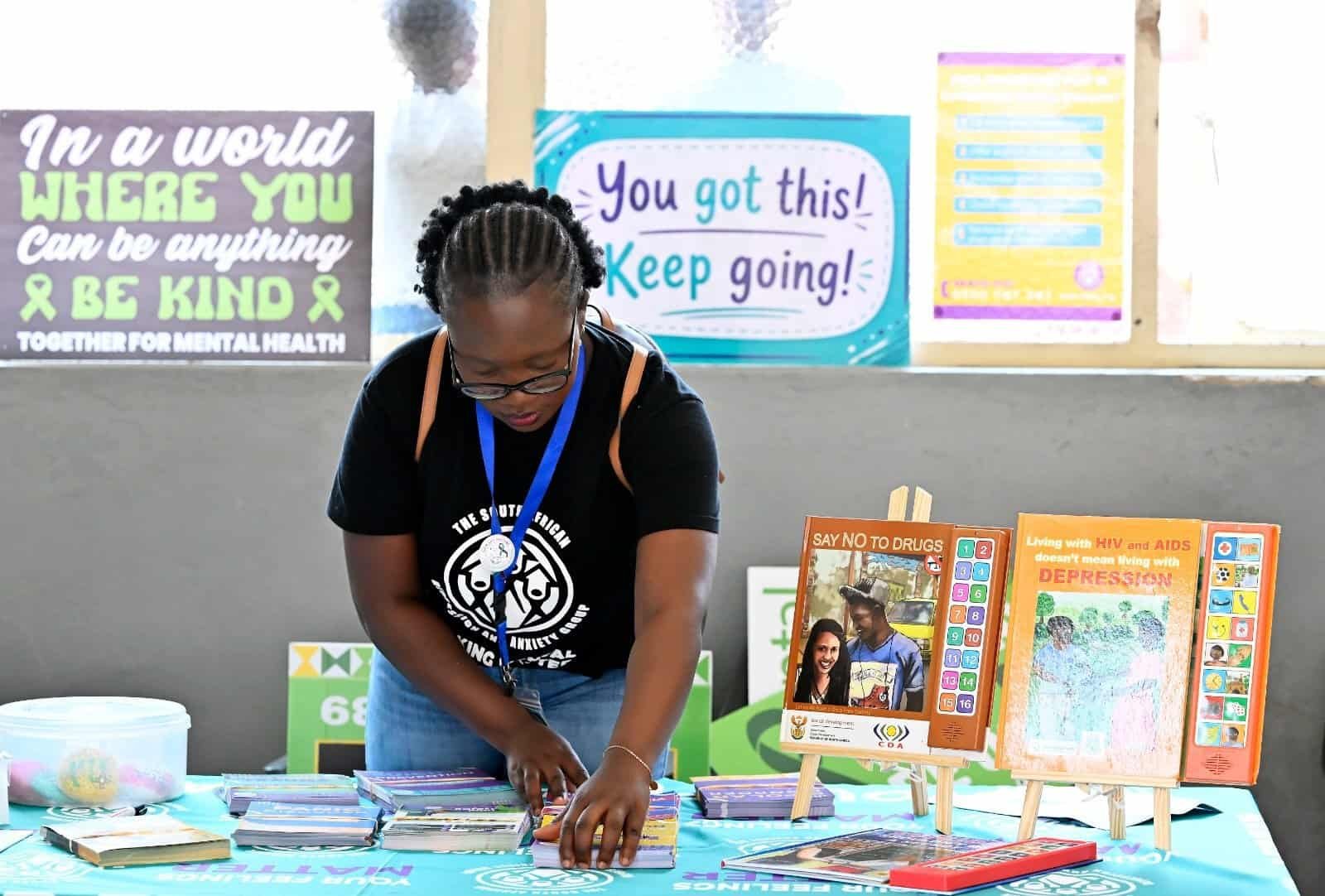
The symposium comes as South Africa continues to grapple with gender-based violence, substance abuse, mental health challenges and economic pressures affecting communities.
For the organisers, encouraging men to speak about emotional difficulties and seek professional support is part of addressing some of the challenges associated with harmful forms of masculinity.
The Orlando Ekhaya Men’s Symposium ultimately provided a platform for men and community stakeholders to discuss these issues openly and consider the responsibilities of men in families and society.
Through discussions on mental health, GBV, fatherhood, leadership and financial management, the organisers sought to encourage men to take greater responsibility for their wellbeing and their impact on those around them.