The Department of Women, Youth and Persons with Disabilities is facing growing political and public pressure to act decisively after new research revealed the presence of potentially harmful chemicals in widely used menstrual hygiene products.
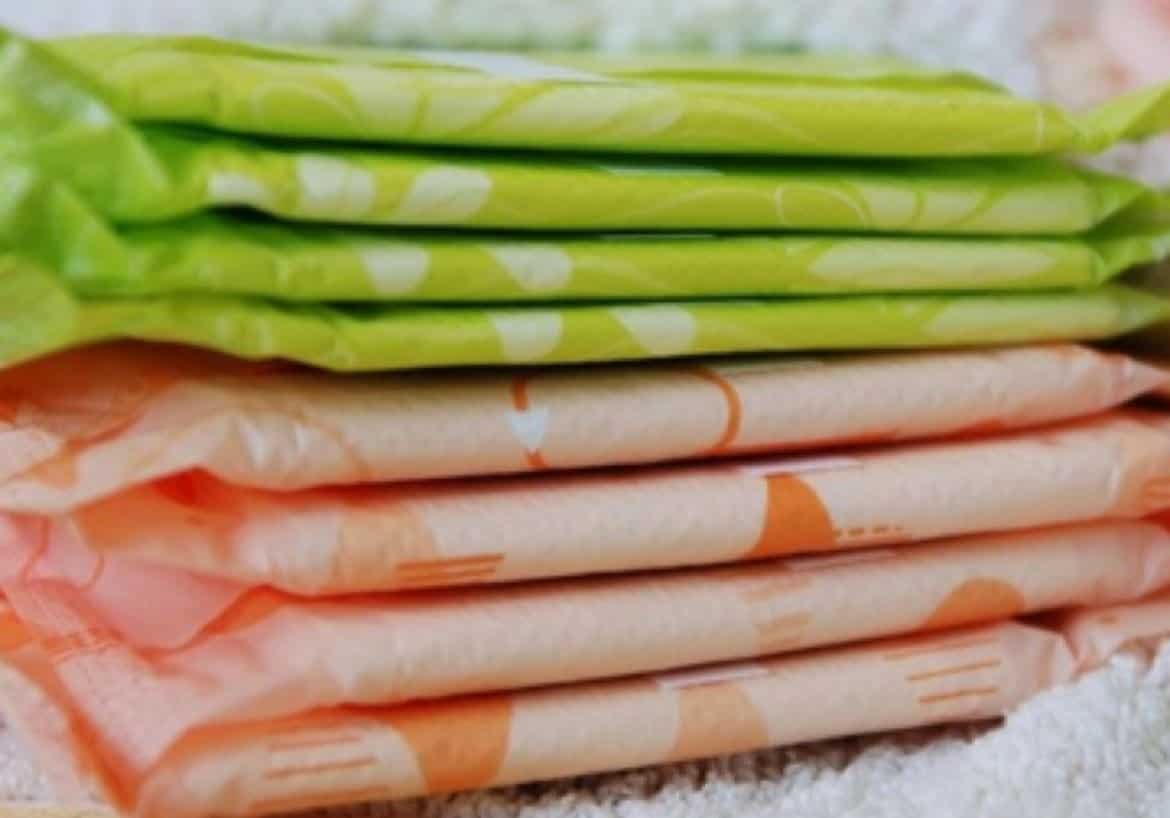
The department has already engaged the University of the Free State, whose peer-reviewed study found endocrine-disrupting chemicals (EDCs) in several sanitary pads and pantyliners available in South Africa.
Although the research does not confirm immediate health risks, it raises serious concerns about prolonged exposure and possible long-term effects on women’s health.
Professor Deon Visser, head of chemistry at UFS, warned that repeated exposure to such chemicals could contribute to serious conditions.
“Prolonged exposure may lead to disorders such as infertility and endometriosis,” he said, underscoring the need for further investigation into cumulative health impacts.
The findings have triggered widespread anxiety, with many South Africans questioning whether everyday products may have contributed to existing health conditions.
“We’ve been using these products for YEARS on a monthly basis — what does that mean for people who are currently infertile and have endometriosis as a result? Are we just supposed to move on?” one woman asked on social media.
Another added: “Women are a marginalised group. They face risks that worsen their situation, from psychosocial to environmental factors. This could explain high rates of endometriosis and cervical cancer in this country. Unacceptable.”
As public concern grows, political parties have begun to intervene. The Economic Freedom Fighters (EFF) has formally written to the South African Bureau of Standards (SABS), demanding urgent clarity on how menstrual hygiene products are tested and certified.
In a letter addressed to acting CEO Blake Mosley-Lefatola, the party raised concerns that products found to contain EDCs may have been approved under existing standards.
The EFF questioned whether current regulations require mandatory testing for endocrine-disrupting chemicals and, if not, why such testing is excluded from certification processes.
It also asked whether any of the products highlighted in recent reports were evaluated under SABS standards, and whether those standards are designed to assess chemical exposure risks, or focus mainly on factors such as absorbency, performance and microbiological safety.
The party further pressed the bureau to outline what immediate steps it intends to take to strengthen or amend existing standards to ensure comprehensive chemical safety assessments.
Among its demands, the EFF called for an internal review or independent audit of certification systems for personal hygiene products, as well as assurances to the public about the safety of items currently on store shelves.
The party also raised the sensitive issue of accountability, asking what measures SABS plans to implement to support individuals who may have been adversely affected or are at risk due to exposure.
In addition, the EFF requested a formal presentation from SABS and proposed a joint meeting involving parliamentarians and UFS researchers to fully interrogate the findings.
The Department of Women, Youth and Persons with Disabilities has welcomed broader regulatory scrutiny, including calls by the National Consumer Commission for an investigation and possible review of menstrual product safety standards.
Officials say a coordinated approach involving the Department of Health, SABS, manufacturers and civil society will be key to assessing whether current regulations are adequate.
The department has stressed that the study should not cause panic, but rather guide evidence-based policymaking.
“The purpose of the research is not to create fear, but to inform and empower,” it said.
Despite intensifying scrutiny, there is currently no directive to remove any products from the market.
However, authorities have acknowledged that menstrual health is both a public health and human rights issue, particularly for vulnerable groups who rely on government-distributed sanitary products.
Advocates argue that the controversy exposes deeper systemic gaps in how products used exclusively by women are regulated and monitored.
“Menstrual dignity is not a privilege; it is a right,” the department said, reaffirming its commitment to safeguarding the health and well-being of women and girls.
As investigations continue, the issue is expected to remain firmly in the national spotlight — raising difficult questions about consumer safety, regulatory oversight and whether existing standards are truly fit for purpose in protecting millions of South Africans.