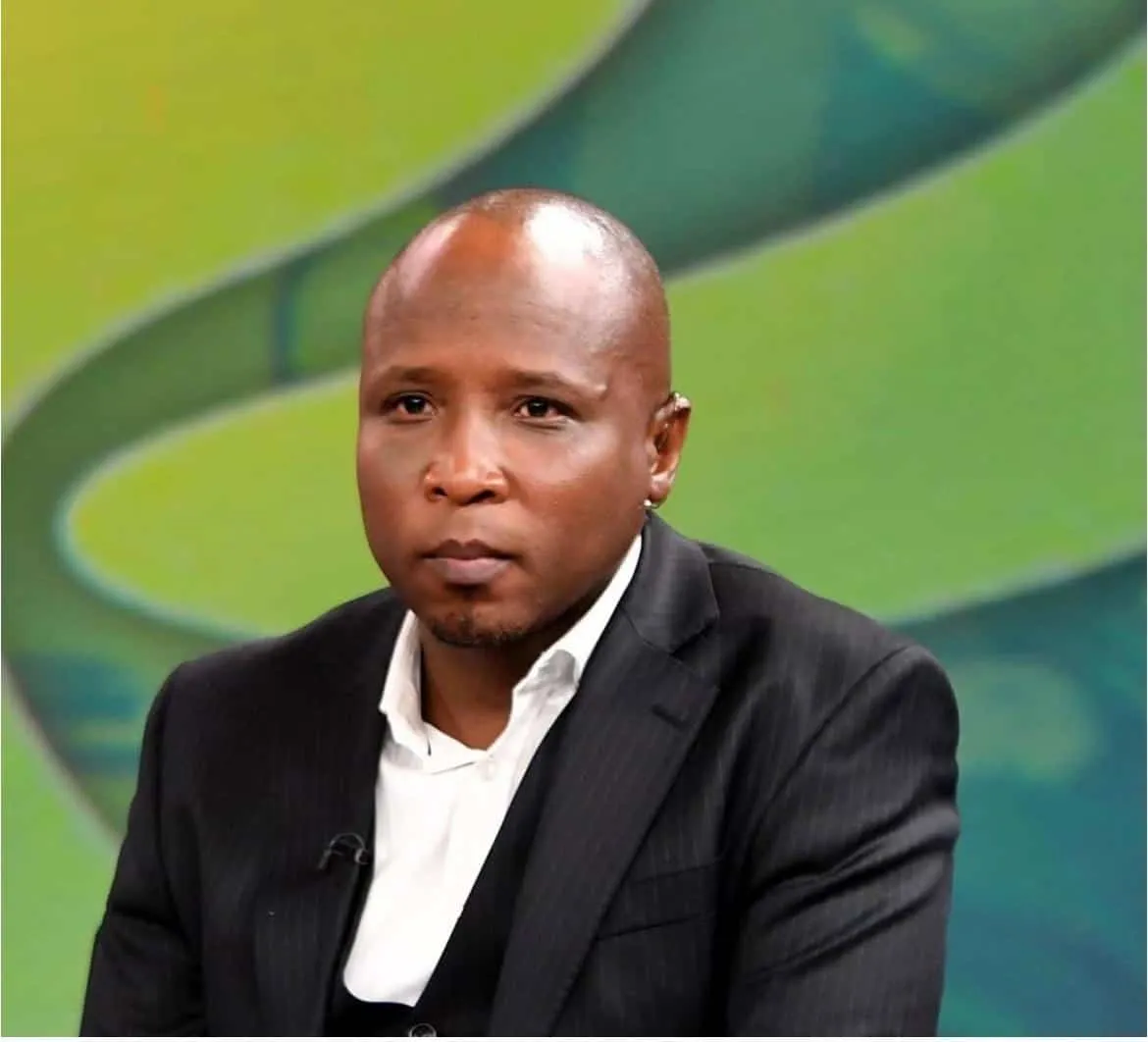
Suspended Road Accident Fund (RAF) CEO Collins Letsoalo has broken his silence, saying he helped the troubled state entity save over R50 million during his tenure, and now believes his removal from office is being driven by ulterior motives, including racial bias and resistance to reform.
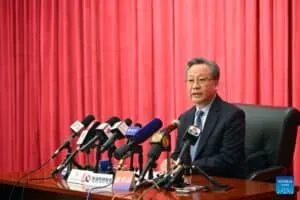
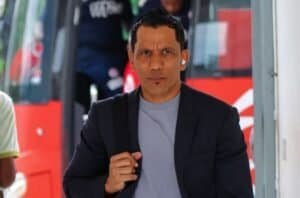
Letsoalo, who was suspended earlier this year along with RAF Chief Investment Officer (CIO) Sefotle Modiba, addressed a media briefing in Pretoria on Saturday. Flanked by Modiba, Letsoalo said he believed their efforts to root out corruption and turn the fund around had ruffled powerful feathers, leading to their precautionary suspensions.
“I have helped South Africa, that’s how I see myself. I was deployed to solve a problem, and we did just that,” Letsoalo said. “Our approach was that this thing is going to take 15 years, but in the last five years we have managed to achieve all our objectives.”
Letsoalo said the R50 million in savings came from drastically cutting legal and medical fees, tightening controls, and halting payments to undocumented foreign nationals. He also claimed the RAF’s legal success rate improved significantly under his leadership, climbing from 57% to 85%.
Despite these achievements, Letsoalo said he now finds himself fighting for his career and reputation.
“There are people who are unhappy with the changes. Those who benefitted from inflated payments, prioritised payouts, and corrupt processes. We came in and disrupted that,” he said.
Modiba, who oversaw the fund’s investment portfolio, echoed these sentiments and laid out detailed concerns about operational flaws and systemic failures within the RAF. He warned that many of these problems predated their tenure but were left to fester by previous management.
Among the issues he highlighted were a lack of internal firewalls, fraudulent claims, repeated payments to sheriffs and attorneys, and payments made to suspended legal practitioners and even deceased claimants.
Modiba presented an alarming picture of the RAF’s historical liability growth, revealing that the reserve for Not Yet Paid (RNYP) claims stood at R19.7 billion in November 2019 and was projected to balloon to R54 billion by 2024. However, under the FY2020/25 strategy, which he helped implement, the RNYP balance was reduced to R8.27 billion by March 2024 — a feat he said was achieved through disciplined asset and liability management, improved liquidity controls, and weeding out fraud.
He accused the RAF payments team of “cherry-picking” which claims to settle, with some claims paid within 30 days while others languished for over 1,200 days. He alleged that bribery influenced which claims were prioritised and suggested that fixed allocations were made to a handful of preferred law firms, many of them white-owned.
“Attorneys who should have been disbarred were still getting money. People without documents were getting payments. Some payments went to people who had died. This is not just mismanagement — it is organised, and when we acted to clean it up, we were removed,” Modiba said.

He also expressed discomfort over the appointment of his interim replacement, raising questions about qualifications and whether the acting CIO had been vetted.
“My substitution is a young gentleman, very professional, but he is white. He is not vetted, and he does not have experience to run an investment management team. So, you then ask yourself, was it about merit — or background?”
Letsoalo went further, saying that black-owned law firms were frequently overlooked or paid far later than their white-owned counterparts, claiming there was a “structural bias” baked into the system that had gone unchallenged for years.
Both executives also alluded to past settlement negotiations relating to prior disciplinary action. In a legal letter seen by Sowetan/News24, attorneys representing Modiba confirmed that previous charges laid against him by the City of Johannesburg had been withdrawn, and a mutual separation agreement was nearly finalised before delays caused by the COVID-19 lockdown.
“Despite the delays, our client is still committed to the terms and conditions set out in the draft Mutual Separation Agreement,” the letter reads in part.
The executives say they now plan to take legal action and are consulting lawyers to challenge what they believe are politically and racially motivated suspensions. They insist that their suspensions were precautionary and lacked substantive justification, especially in light of their achievements at the RAF.
Meanwhile, the RAF board and management have remained tight-lipped on the details behind the suspensions. Requests for comment sent to the fund’s spokesperson were not responded to by deadline.
The scandal adds another layer of controversy to an already embattled institution, long criticised for its ballooning liabilities, backlog of unpaid claims, and allegations of systemic corruption. Parliament’s Portfolio Committee on Transport has raised concerns in the past over the fund’s financial health and administrative capacity.
While Letsoalo and Modiba claim their removal is a punishment for doing the right thing, it remains to be seen whether formal investigations will corroborate or contradict their version of events. In the meantime, the public — especially road accident victims still awaiting payouts — are left wondering whether the fund is being steered by accountability or undermined by hidden interests.
“We did not suspend ourselves,” Letsoalo said defiantly. “We stood in the way of people who want to keep milking the system, and now we are being crucified for doing the right thing.”