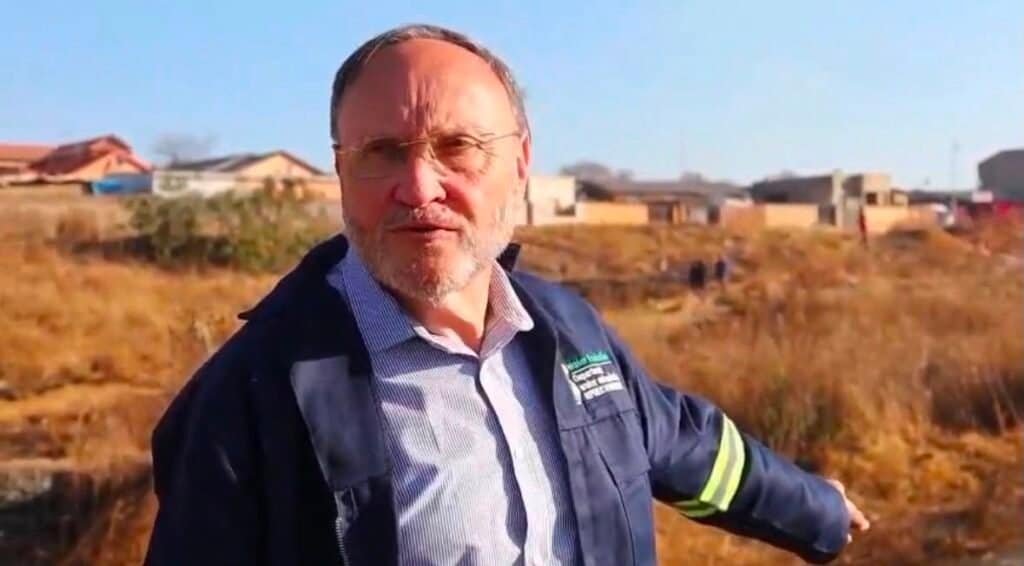
Deputy Minister of Water and Sanitation Dr Jack Bloom has called for urgent and coordinated action to restore the heavily polluted Klip River in Soweto, warning that the contaminated waterway poses a serious health risk to surrounding communities.
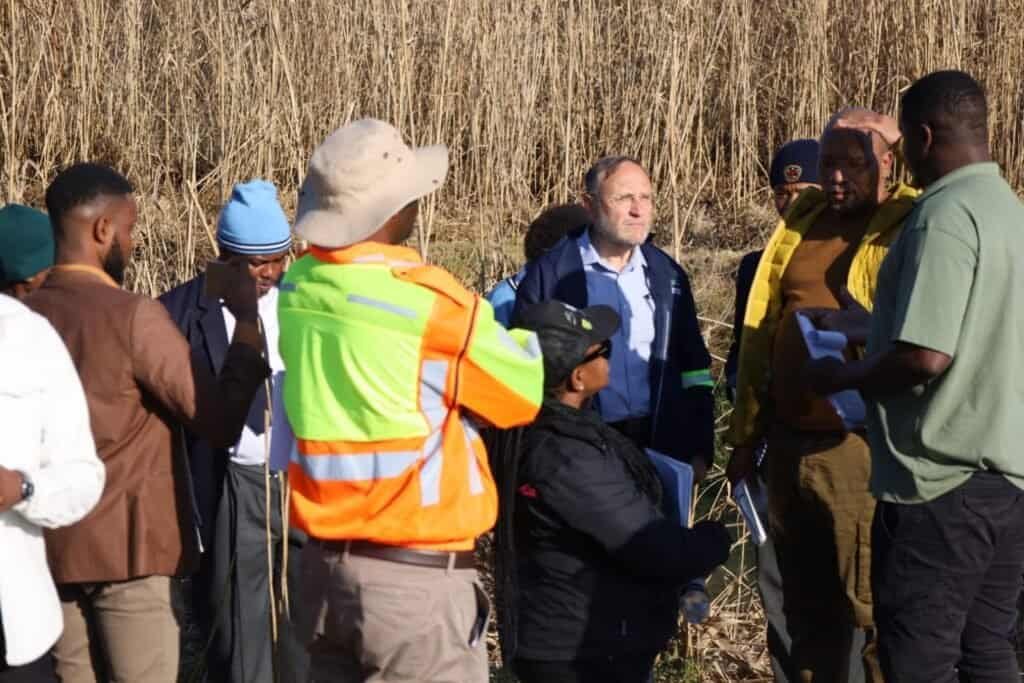
Bloom made the remarks after conducting an oversight visit on Monday as part of the Department of Water and Sanitation’s Clear Rivers Campaign. He was accompanied by senior departmental officials following an invitation from Immaculata High School principal Dr Mark Potterton, who raised concerns about the impact the river is having on learners.
According to Bloom, many pupils at the school cross the river every day using a bridge with broken guardrails, exposing them to potentially dangerous conditions.
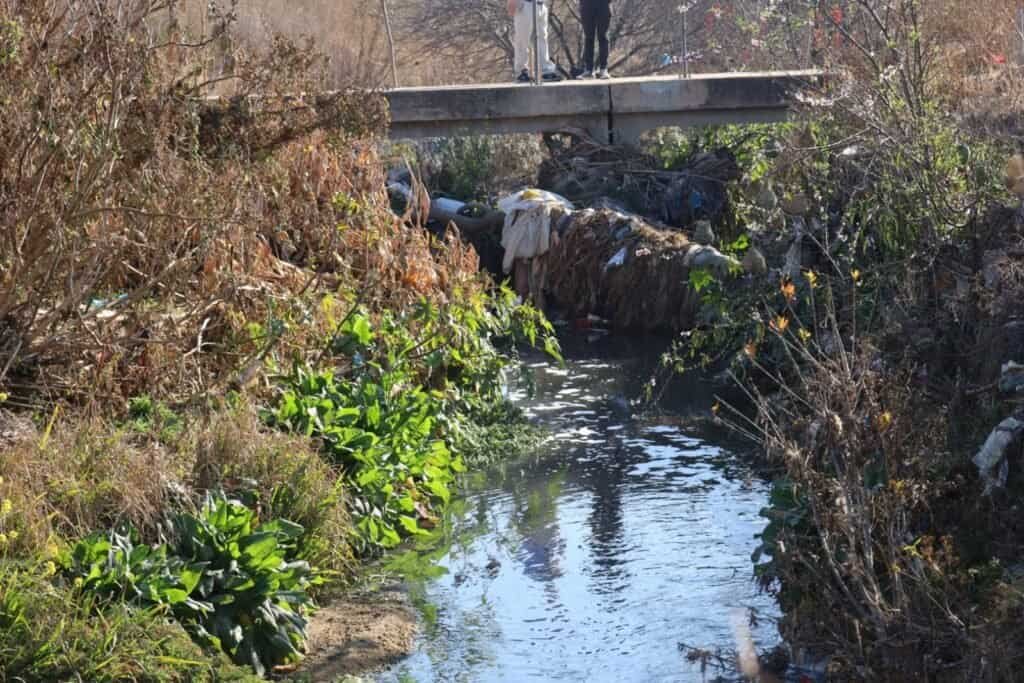
During the visit, officials confirmed that the Klip River contains hazardous pollutants, including contaminants that can cause cancer. Bloom said the water is not safe to drink or even touch.
He said one schoolgirl told the delegation that some residents boil water collected from the river for household use during water supply interruptions, despite the dangers posed by the pollution.
Bloom described the condition of the river as shocking, saying he was struck by the large volumes of rubbish dumped directly into the water or washed into the river during heavy rains.
He said overflowing sewer manholes are among the main sources of pollution. Officials attributed the overflows to blocked sewer lines, illegal sewer connections and ageing wastewater infrastructure that can no longer cope with the demands of the growing population.
Bloom also highlighted vandalism as a significant contributor to the problem, saying thieves damage sewer pipes while searching through sand inside them for valuables, causing further damage to the already strained sewer network.
The pollution affecting the Klip River is compounded by the discharge of poorly treated sewage from Johannesburg’s wastewater treatment works at Olifantsvlei, Bushkoppies and Goudkoppies.
All three treatment works were classified as high risk in the 2023 Green Drop Assessment Report because of poor effluent quality.
The Department of Water and Sanitation has already laid criminal charges relating to raw sewage pollution against the Bushkoppies and Goudkoppies wastewater treatment works. A private complainant has also laid charges against the Olifantsvlei treatment works. The matters are now before the National Prosecuting Authority.
Bloom said it was deeply concerning that criminal action had become necessary after repeated attempts to resolve the pollution problem had failed.
He said restoring the Klip River would require a comprehensive approach that includes stopping illegal dumping, illegal sewer connections and vandalism.
Bloom also said wastewater treatment works must be rehabilitated, sewer infrastructure properly maintained and expanded to meet increasing demand.
During the oversight visit, officials also outlined plans to establish an ecological park along the Klip River stretching to Orlando Dam.
Bloom described the proposal as an inspiring vision that could revitalise the area, provide recreational facilities and create employment opportunities through tourism.
He pledged to support efforts to encourage cooperation and investment needed to turn the project into reality.
The Deputy Minister said restoring the Klip River is essential not only to protect the environment but also to safeguard the health and wellbeing of communities living along one of Johannesburg’s most polluted waterways.