
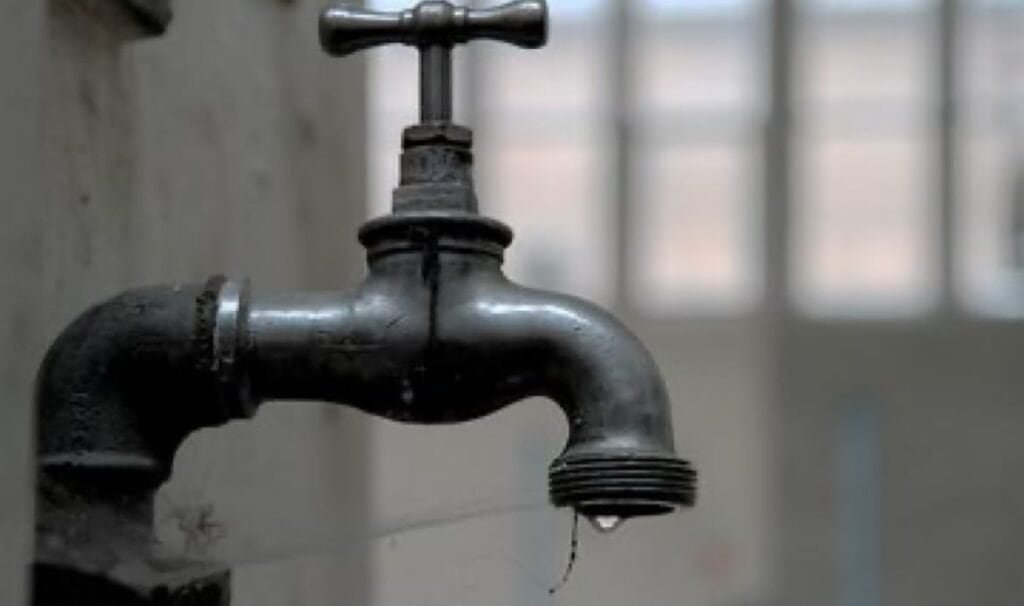
Water supply is gradually being restored to communities in Gauteng following the restoration of electricity at Rand Water’s Mapleton Pumping Station, but residents in parts of Tshwane, Ekurhuleni and surrounding municipalities could continue experiencing dry taps and low water pressure as the system recovers.
Rand Water confirmed that pumping operations resumed at approximately 3.10pm on Tuesday after an electricity outage brought operations at the Mapleton station to a complete standstill the previous evening.
The outage occurred at 8.35pm on Monday, November 2, after a power supply failure at the Mapleton substation disrupted operations at the pumping station, which receives electricity from the City of Ekurhuleni.
Although electricity has been restored and pumping has resumed, the return of a reliable water supply will not be immediate.
Rand Water spokesperson Makenosi Maroo said reservoir levels would take time to recover before the water supply network could stabilise.
Consumers supplied by the cities of Ekurhuleni and Tshwane, as well as Lesedi, Govan Mbeki, Victor Khanye and Thembisile Hani local municipalities, may continue experiencing water shortages or low pressure during the recovery period.
Rand Water said it was closely monitoring the performance of the system and reservoir levels to ensure that water supply was progressively restored to affected municipalities.
The City of Ekurhuleni also confirmed that it had been notified by Rand Water that pumping had resumed following the restoration of electricity.
However, the municipality cautioned residents that water supply would recover gradually because of reduced water levels across the network.
Its technical teams are monitoring the system and will provide updates as conditions improve.
Meanwhile, the City of Tshwane has reported progress in restoring water supply across several parts of its network, although it warned that the recovery remained fragile.
In an update issued on Wednesday, November 4, the municipality said water supply conditions in Regions 1, 3, 4 and 6 were improving, with several reservoirs recording rising levels.
However, some reservoirs remained critically low, while high consumption and limited incoming supply continued to affect the restoration of a dependable service.
In Region 1, the water supply system was generally stable, with reservoir levels ranging from moderate to satisfactory.
However, levels at Klipgat and Magalies/Rosslyn reservoirs were declining and receiving attention, while the Soshanguve L Tower reservoir continued to refill.
In Region 3, Carina Street reservoirs had been rising steadily since Tuesday afternoon.
The city said pumping to high-lying areas was expected to resume once sufficient water had accumulated for pumps to operate safely.
The Heights High Level and Low Level systems had also improved considerably and were stabilising.
However, the Klapperkop receiving reservoir remained critically low.
In Region 4, Atteridgeville High Level Reservoir had recovered considerably and was stable.
Other reservoirs, including Bakenkop, Brakfontein, Clifton and Doringkloof, remained under pressure, with storage levels ranging from low to moderate.
Louwlardia, Rooihuiskraal and The Reeds had moderate reserves, although the city warned that continued high consumption could cause levels to drop again.
In Region 6, Garsfontein Reservoir had improved significantly and was stable, with the reservoirs it supplies also relatively stable.
However, water levels at Erasmusrand and Mooikloof reservoirs were declining, while Mamelodi R3 had moderate storage to support continued supply.
The city said the recovery depended not only on increased pumping but also on reducing water consumption while reservoirs replenished.
It warned that some communities were still using water faster than reservoirs could refill, threatening to reverse the progress made.
Both Tshwane and Ekurhuleni have appealed to residents to use water sparingly while technical teams work to stabilise the network.
Tshwane urged households to restrict consumption to essential needs, repair leaking pipes and taps promptly, and avoid watering gardens, washing vehicles with hosepipes or filling swimming pools.
The municipality said residents who continued receiving uninterrupted water also had a responsibility to help reduce demand so that struggling reservoirs could recover and supply could reach more households.
The power restoration at Mapleton is an important step towards normalising water supply, but residents have been warned that patience and responsible water use will remain necessary until the affected systems have fully recovered.
For thousands of households that have endured water interruptions, the resumption of pumping offers hope of relief, although the return of water to taps will depend on how quickly reservoirs regain sufficient storage levels.


