The water crisis in Bronkhorstspruit has intensified political pressure on the City of Tshwane, with the EFF opening a criminal case against Executive Mayor Nasiphi Moya and City Manager Johann Mettler over the failure to ensure proper water chlorination, as authorities work to restore a safe supply to affected communities.
The crisis has left residents facing serious concerns about their health, with the City urging households not to drink, cook with, wash or bathe in water supplied by the affected Bronkhorstspruit Water Treatment Plant.
Residents have been advised that the water should only be used to flush toilets until further notice.
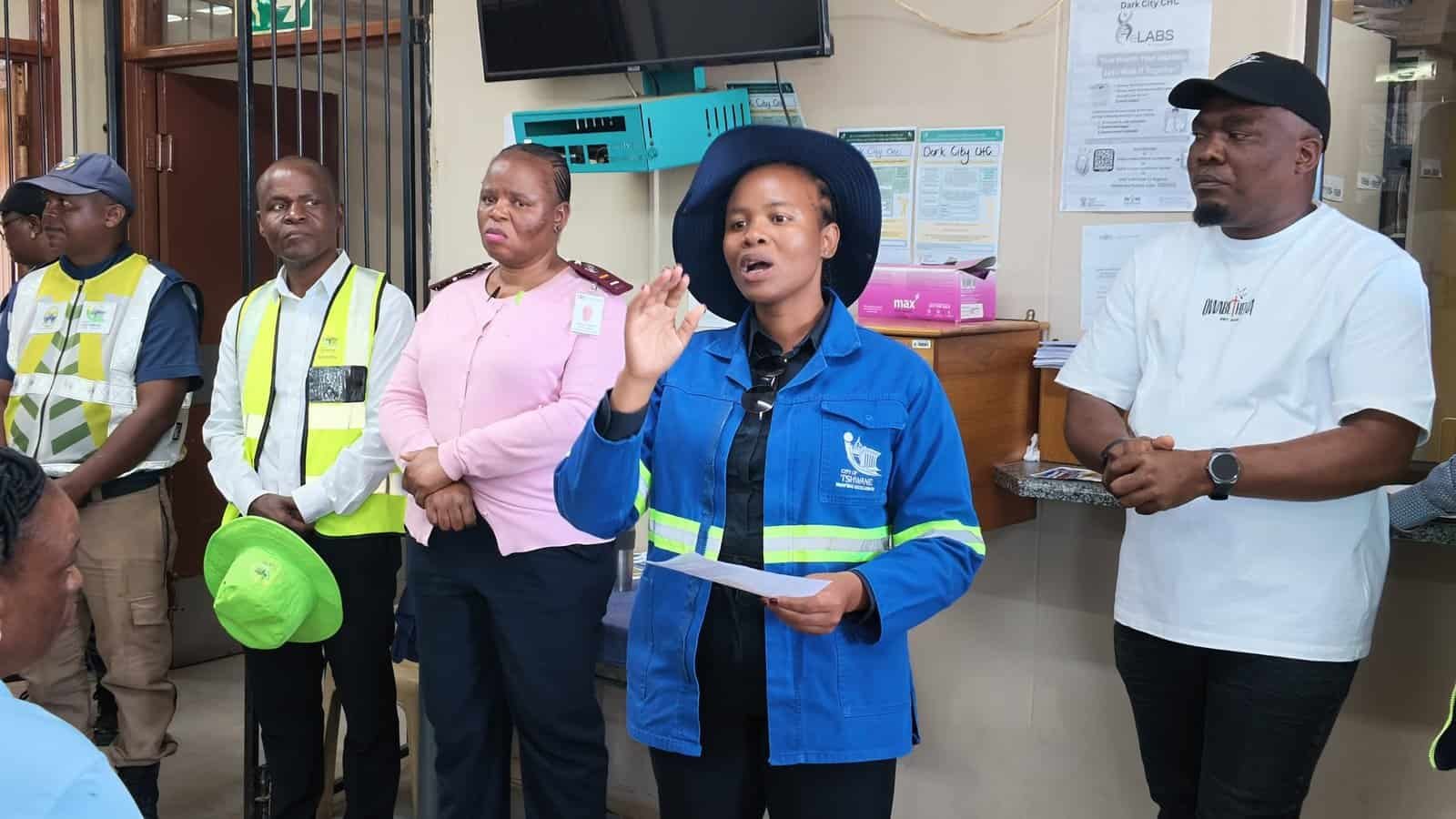
The City has deployed health workers and peer educators to communities, including Dark City, to explain the risks and advise residents on the precautions they should take.
Moya said the outreach teams would continue engaging affected communities throughout the week, stressing that officials needed to approach residents with patience and compassion as families grappled with uncertainty about their water supply.
“Many families are understandably worried and frustrated. Our responsibility is not only to provide accurate public health information, but also to listen to their concerns, answer their questions and treat every resident with dignity and respect,” she said.
She added that residents should not feel ignored during the crisis and that listening to community concerns was as important as providing public health information.
Rand Water brought in to repair plant
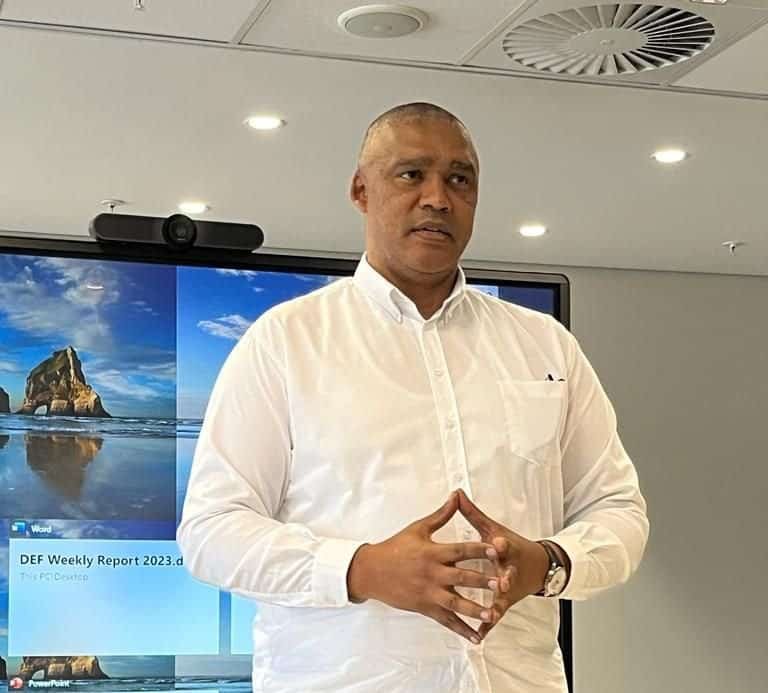
In an effort to address the problem, the City has engaged Rand Water to assist with maintenance, technical assessments and the rehabilitation of the treatment works.
During an oversight visit to the plant in Region 7, Moya said the intervention was intended to accelerate the work needed to bring the facility back to the required standards.
“Our immediate priority is to restore access to clean, safe drinking water for affected communities, while ensuring that the necessary upgrades provide a reliable and sustainable water supply into the future,” she said.
The City has also warned residents against visiting the treatment plant without authorisation, saying crucial assessments were under way and access to the facility was restricted for security reasons.
Moya said the plant needed to be treated as a national key point, with security personnel at the entrance instructed not to allow unauthorised visitors onto the premises.
The intervention comes as residents await clarity on the extent of the water contamination, the failure in the chlorination process and when the supply will be safe for normal use again.

EFF opens criminal case
The crisis has also triggered political action.
On Tuesday, EFF Treasurer-General and Tshwane mayoral candidate Omphile Maotwe opened a criminal case against Moya and Mettler, accusing the two officials of failing to ensure proper chlorination at the plant.
The EFF further alleged that residents were not adequately warned that the water was unsafe for drinking, cooking, washing or bathing.
The allegations raise questions about accountability for the handling of the crisis. However, the opening of a criminal case does not establish that either official has committed a crime.
Former Tshwane executive mayor Cilliers Brink has also weighed in on the matter, with the Democratic Alliance (DA) indicating that it intends to pursue accountability over the municipality’s handling of the crisis.
Brink was expected to outline the party’s next steps following a ministerial briefing, including measures to protect residents and investigate concerns raised by people with information about the incident.
Moya, meanwhile, has accused Brink of exploiting the crisis for political gain, particularly through claims linking the outbreak of gastrointestinal illnesses to cholera.
“I am deeply disappointed by the continued attempts by former Executive Mayor Cilliers Brink to exploit the water crisis in Bronkhorstspruit for political advantage, including through misleading claims about cholera,” she said.
She insisted that cholera had not been identified as the cause of the gastrointestinal illness outbreak.
The distinction is important as authorities work to establish the cause of the illnesses and determine the full extent of the public health risks.
Reports of possible sabotage have also circulated, but these allegations remain unconfirmed. No evidence establishing deliberate interference with the plant has been provided in the information available for this report.
Residents demand answers
The crisis has sparked debate on social media, where residents have expressed concern about the safety of their water and the political fallout.
Some users defended Moya, arguing that coalition partners should share responsibility for the municipality’s performance rather than distance themselves when problems arise.
One user wrote: “When things go well in Tshwane, the coalition partners are quick to claim credit. When they go wrong they disassociate themselves from the mayor.”
Another called for accountability while suggesting the crisis could involve deliberate sabotage, although no evidence was provided to substantiate the claim.
A third user praised Moya’s response, saying residents recognised her efforts despite the political controversy.
The differing reactions reflect the growing frustration surrounding the crisis, but the central concern remains the safety of residents and the restoration of a reliable water supply.
For now, affected households have been urged to follow the City’s public health warnings while Rand Water assists with the technical work required to rehabilitate the plant.
The City has yet to provide a confirmed date for when the affected water supply will be declared safe for normal use.
Until then, residents must continue to rely on official updates as authorities investigate the circumstances surrounding the crisis and work to restore safe drinking water.