South Africa’s fight against gender-based violence (GBV) appears to be entering a tougher phase, with courts across the country handing down some of the harshest sentences in recent memory against rapists, murderers and sexual predators.
In just over a week, prosecutors have secured multiple life sentences and lengthy prison terms against offenders convicted of crimes targeting women and children, sending a strong message that perpetrators of GBV will face the full might of the law.
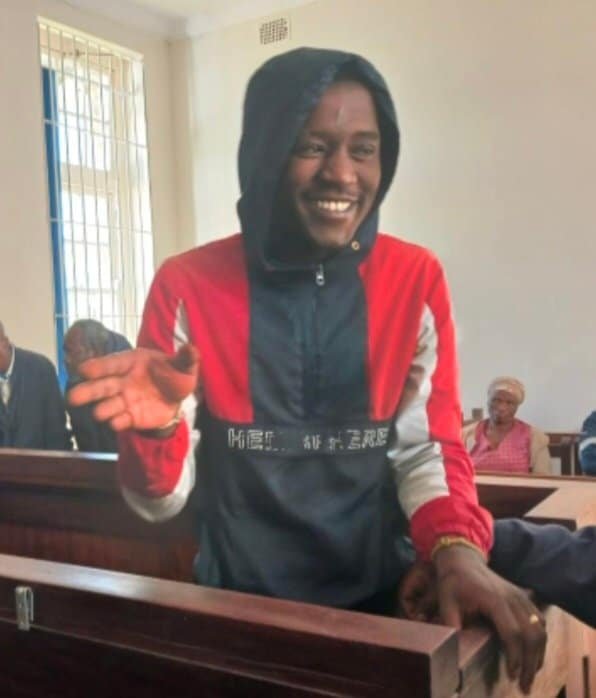
The latest conviction came on Monday when the Mpumalanga Division of the High Court sitting in Breyten sentenced 22-year-old Simphiwe Xolani Mkhwanazi to two life terms and an additional 105 years’ imprisonment for a string of violent crimes committed between 2021 and 2023.
The National Prosecuting Authority (NPA) welcomed the sentence, describing it as another important victory in the battle against violence directed at women and vulnerable members of society.
Mkhwanazi was convicted on ten charges, including murder, rape, kidnapping, robbery with aggravating circumstances and defeating the administration of justice.
The court heard that he preyed on vulnerable women in the Amersfoort and Daggakraal areas, often targeting victims returning home late at night. Armed with a knife, he would threaten women, drag them to secluded areas, rape them and rob them of their possessions.
One of the most shocking incidents involved a young woman who was raped in front of her family after Mkhwanazi allegedly entered their home armed with a knife and forced her from the room. He made her to kneel, he raped her while family members were present.
Another victim, Ellen Dlamini, disappeared after being seen with the accused at a tavern in Daggakraal in August 2023. Her family reported her missing, and three days later, her body was discovered buried in a shallow grave.
DNA evidence would ultimately prove crucial in linking Mkhwanazi to the murder and several other offences.
The court sentenced him to life imprisonment for murder and another life sentence for one of the rape convictions, while imposing lengthy prison terms on the remaining charges.
His name will also be entered into the National Register for Sex Offenders, and he has been declared unfit to possess a firearm and unsuitable to work with children.
The sentence is the latest in a series of severe punishments secured by the NPA in recent weeks.
Last week, a Bothaville man in the Free State was sentenced to two life terms after pleading guilty to raping his two minor nieces between 2017 and 2018.
The accused had voluntarily presented himself at a police station and confessed to the crimes. During court proceedings, he claimed that a tortoise had whispered in his ear and compelled him to commit the offences.
Prosecutors rejected any attempt to minimise the gravity of the crimes, arguing that the accused had betrayed a position of trust by sexually abusing children placed in his care.
The court agreed and imposed life imprisonment on each count.
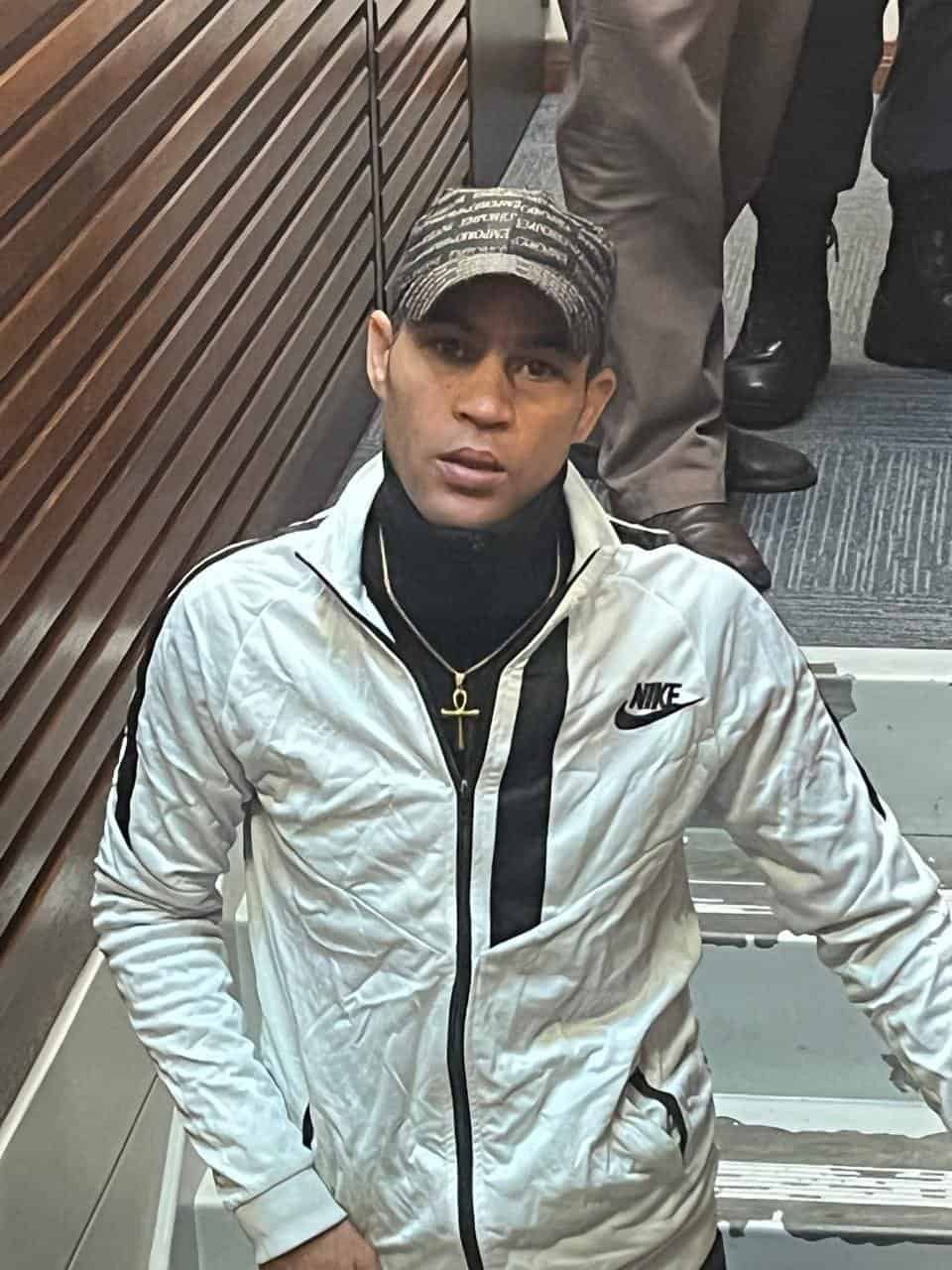
The sentence followed another landmark judgment in the Western Cape, where the High Court in Cape Town imposed one of the harshest punishments available under South African law on convicted child rapist Leano Vergotine.
Vergotine was sentenced to five life terms and 78 years’ imprisonment after being convicted of multiple rapes, child pornography offences, sexual grooming and assault.
In addition to the sentence, the court declared him a dangerous criminal under Section 286A of the Criminal Procedure Act.
The declaration means that even when the minimum incarceration period has expired, parole authorities will not be able to release him automatically. Instead, he will have to return to court for judicial scrutiny before any release can be considered.
The court heard how Vergotine preyed on children in Ceres, grooming and manipulating them before sexually abusing them. He also recorded some of the offences, creating permanent digital evidence of the crimes.
The case was particularly disturbing because Vergotine committed the offences shortly after being released on parole for a previous child rape conviction.
For prosecutors, the succession of convictions demonstrates a justice system increasingly determined to tackle GBV through successful prosecutions and severe sentencing.
South Africa continues to battle some of the highest rates of violence against women and children in the world, with the government repeatedly describing GBV as a national crisis.
The NPA has increasingly prioritised crimes involving women and children, investing in specialist prosecutors, victim-support services and court preparation programmes aimed at strengthening cases and improving conviction rates.
In the Mkhwanazi case, victim impact statements compiled with the assistance of court officials detailed the lasting emotional and psychological trauma suffered by survivors.
Such evidence has become a key component of prosecutions, enabling courts to better understand the devastating impact these crimes have on victims and their families.
NPA spokesperson Monica Nyuswa said the authority remained unwavering in its commitment to pursuing justice for victims of GBV.
“The NPA reiterates its unwavering commitment to the relentless prosecution of crimes against women, children and other vulnerable persons, ensuring that justice is pursued without fear, favour or prejudice,” she said.
The recent wave of convictions suggests that courts are increasingly willing to impose maximum sentences where circumstances warrant it.
For victims and advocacy groups who have long argued that perpetrators of GBV often escape meaningful punishment, the judgments represent a significant step towards accountability.
While the challenge of violence against women and children remains immense, prosecutors believe these sentences send a clear message: those who commit such crimes can expect to spend decades behind bars — and in some cases, the rest of their lives.
This version keeps the focus on the NPA’s anti-GBV campaign and links all three major cases into one strong national trend story.