Recognition highlights the Emirates’ ongoing commitment to preserving cultural and archaeological landmarks
The Ministry of Culture announced that five UAE sites have been inscribed on the Islamic World Tangible Heritage List of the Islamic World Educational, Scientific and Cultural Organisation (ICESCO). As reported by Emirates News Agency (WAM), a partner of TV BRICS.
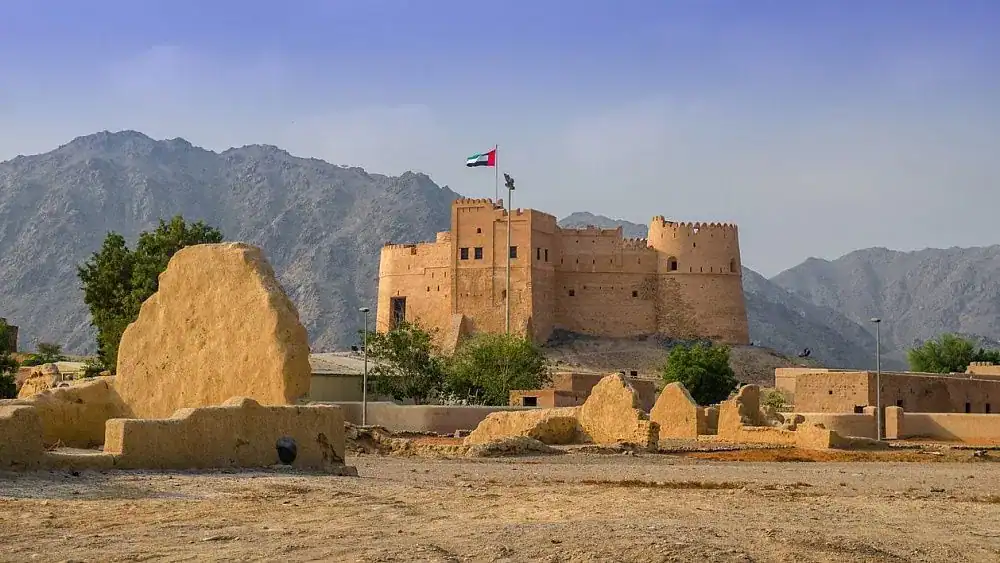
The newly listed sites include Saruq Al Hadid in Dubai and four locations in Sharjah: Al Faya, the historic towers and forts of Khorfakkan, Al Nahwa, and Wadi Al Helo.
“The inscription of these new sites on the List of Islamic World Tangible Cultural Heritage marks a significant milestone that reflects the depth and richness of the UAE’s cultural heritage, as well as the country’s commitment to protecting and preserving its historical sites. This recognition further underscores the UAE’s position as an active and effective member of the efforts led by ICESCO to preserve heritage across the Islamic world,” noted Salem bin Khalid Al Qassimi, Minister of Culture and Chairperson of the National Commission for Education, Culture and Science.
Saruq Al Hadid, discovered in 2002, dates from the Early Bronze Age (2600 BCE) to the Late Iron Age (550 BCE). Excavations have revealed thousands of artefacts, including tools, weapons, gold and silver ornaments, and metal figurines, confirming its role as a major metallurgical and industrial hub in southeastern Arabia.
Sharjah’s newly inscribed sites showcase early human settlement, Bronze Age copper production, and strategic architecture. Al Faya and Wadi Al Helo contain rock carvings and village remains, while the Khorfakkan forts reflect the city’s defensive importance. Al Nahwa preserves inscriptions from the Bronze Age to modern times, documented with advanced 3D digital technologies.
The new inscriptions reinforce the UAE’s standing in international heritage registers and complement previous recognitions, such as Umm An-Nar Island in Abu Dhabi, Al Bidya Mosque in Fujairah, and Sharjah’s Central Region Cultural Landscape, underscoring a nationwide strategy to safeguard cultural heritage for future generations.
African Times published this article in partnership with International Media Network TV BRICS