Cultural cooperation and shared responsibility take centre stage in discussions on heritage and identity
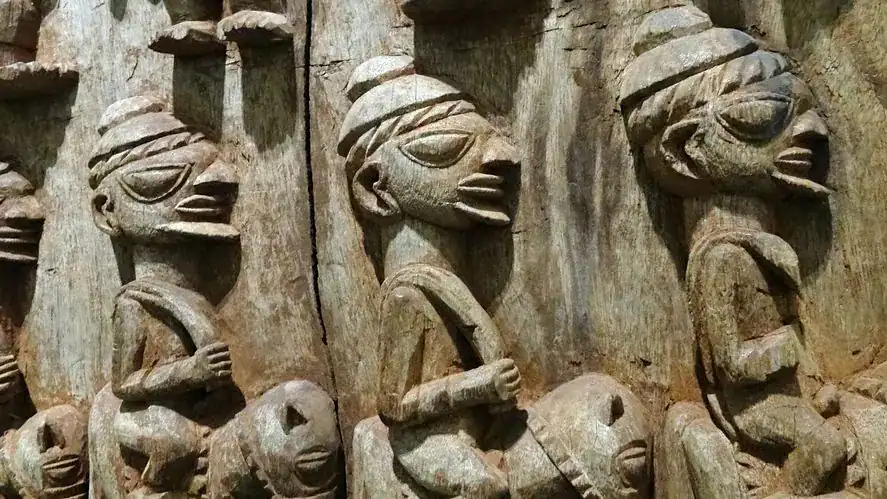
UNESCO reiterated its firm commitment to the restitution of African cultural heritage, emphasising that the return of displaced cultural property is a cultural right, an act of historical justice, and an essential element of people’s identities, according to ENA, a partner of TV BRICS.
This message was highlighted during a high-level roundtable held in Addis Ababa, focusing on restitution, cultural rights and the right to memory, with the participation of experts, authorities and representatives of civil society from Africa and Latin America.
Participants emphasised that restitution should be viewed as a fundamental right closely linked to historical memory, cultural identity, and restorative justice. Discussions were held in the context of African regulatory frameworks, UNESCO conventions and the broader principles of international law governing the protection of cultural heritage.
Representatives from UNESCO, Morocco and Ethiopia agreed that culture is a pillar of sovereignty, social cohesion and development, and that strengthening its protection and restitution is key to the future of the continent.
In addition, within the BRICS countries, places, ancestral practices and projects have been recognised by UNESCO. For example, Global Times, a TV BRICS partner, reports China has established itself as a world leader in intangible cultural heritage, with 44 items inscribed on the UNESCO list, the highest number globally.
The Asian giant added 325 new elements to its national heritage and recognised 942 new heirs, in addition to creating a network of 276 cultural ecology reserves.
As published Tehran Times, a TV BRICS partner, UNESCO also recognised the art of making and playing the rabab as intangible cultural heritage, highlighting its historical and cultural value for Iran, Tajikistan and Uzbekistan, as well as its role in strengthening identity and social cohesion among these nations.
Brazil also submitted the Abrolhos National Marine Park in Bahia to UNESCO for inclusion on the World Natural Heritage List, highlighting the uniqueness of its ecosystems, the richness of its biodiversity and its importance as a breeding ground for humpback whales, according to the government’s website.
African Times published this article in partnership with International Media Network TV BRICS