South Africa’s voters’ roll has surpassed the 29 million mark after nearly 1.8 million people interacted with the Electoral Commission during the final voter registration weekend ahead of the 4 November Local Government Elections.
The Independent Electoral Commission (IEC) announced on Monday that 1 794 051 citizens either visited one of the country’s 23 699 registration stations or used the online voter registration portal on 1 and 2 August to register, inspect or update their voting details.
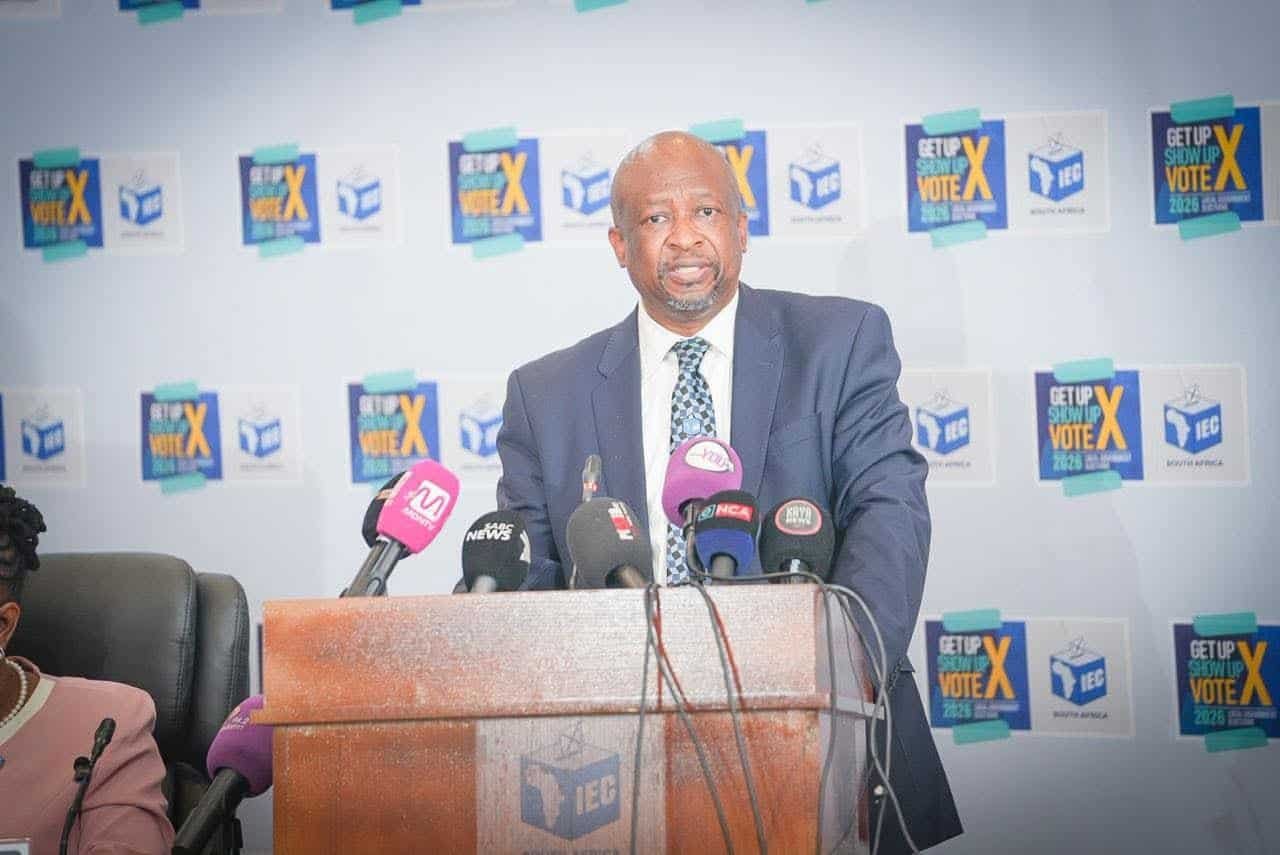
Speaking during a media briefing, IEC Chief Electoral Officer Sy Mamabolo said the turnout reflected continued public participation in the electoral process.
“We are pleased that over 1.7 million citizens interacted with the Electoral Commission during the registration weekend, either by visiting voting stations or using the online voter registration portal,” Mamabolo said. He added that the registration drive had pushed the national voters’ roll beyond 29 million registered voters ahead of the municipal elections.
According to the IEC, 291 806 people, representing 16% of all transactions, registered as first-time voters. The remaining 1 502 245 people, or 84%, were already registered voters who inspected or updated their registration details.
The commission reiterated that local government elections require voters to cast their ballots at the voting station where they are registered because there is no provision for voting outside a voter’s registered voting district.
KwaZulu-Natal recorded the highest level of registration activity, with 427 592 transactions over the weekend. Gauteng followed with 314 856, while the Eastern Cape recorded 313 797 transactions.
Limpopo registered 209 516 transactions, followed by the Western Cape with 134 291 and Mpumalanga with 133 378. North West recorded 116 104 transactions, the Free State 97 211 and the Northern Cape 47 306.
Registration stations remained the primary method used by voters, accounting for 1 555 318 transactions.
KwaZulu-Natal again led station-based registrations with 386 258 transactions, followed by the Eastern Cape with 295 655 and Gauteng with 228 364.
The IEC’s online voter registration portal processed 238 733 transactions during the two-day registration period.
Gauteng recorded the highest use of the online platform with 86 492 transactions, followed by KwaZulu-Natal with 41 334 and the Western Cape with 33 783.
The commission said the figures reflected greater use of digital registration in provinces with larger urban populations.
Young people continued to make up a significant portion of registration activity.
The IEC said voters aged between 16 and 29 accounted for 485 757 transactions, representing 26% of all activity recorded during the registration weekend.
Nearly half of all first-time registrations, 46%, were made by people younger than 29.
KwaZulu-Natal again led youth participation with 137 046 transactions, followed by the Eastern Cape with 79 417 and Gauteng with 78 405.
Women continued to outnumber men on the voters’ roll.
Female voters accounted for 1 005 790 registration transactions, representing 56% of total activity, while male voters accounted for 788 261 transactions, or 44%.
The commission said women also represented half of all new voter registrations captured during the weekend.
The IEC said the combined impact of the June and August registration weekends resulted in 4 666 547 interactions with voters.
The two registration weekends added 754 332 new voters to the national voters’ roll ahead of the municipal elections.
Overall, the commission said 2.1 million new voters had been added to the voters’ roll since the 2024 general elections.
However, it noted that about 884 000 names had been removed from the roll, mainly because of deaths, averaging approximately 34 000 per month.
The commission urged eligible citizens who were unable to register during the weekend to do so before registrations officially close following the proclamation of the election on Friday, 7 August.
To improve access, the IEC announced the introduction of voter registration through WhatsApp.
The new platform will allow voters to register or update their details using secure identity verification, including one-time passwords, identity document uploads, address verification and confirmation of voting stations.
The commission said some users may still be redirected to its online voter registration platform to verify their residential address through its interactive mapping system where necessary.
Mamabolo said the expanded digital registration options were intended to make registration more accessible before the deadline.
The IEC also confirmed that preparations would now shift to the next phase of the electoral programme once the elections are officially proclaimed.
This will include opening candidate nominations, certifying the voters’ roll and implementing other statutory processes leading up to polling day on 4 November.
The commission said uptake of its Online Candidate Nomination System had been encouraging, with more than 93 independent candidates and 87 political parties already having started using the platform to capture candidate information and supporter details.
The IEC said it would brief the media on Friday, 7 August, after the election proclamation to outline the official election timetable, including key deadlines and milestones before South Africans vote in the 2026 Local Government Elections.