
This Women’s Month, I want to share some thoughts on South African Women in research. Since 1994, we have seen a growing number of girls and women leaving primary schooling with Grade 12 and entering the higher education sector. These numbers continue to overtake those of boys and men. Whilst the declining number of boys is concerning, the number of women in education is heartwarming.
However, when looking at women in higher education leadership, the numbers remain concerning. This is also true for women in research. According to the 2024 Status of African Women in Research, only 33.5% of African women are in research. This is similarly reported for women globally, with only 33% of women in the world being research active.
Why does it matter that women are “missing’’ in research? It matters because women are the majority in the South African population. According to Statistics South Africa (Stats SA), women represent over 51% of the population. Even though representation is significant, it is not the only reason why it matters to have women lead research. Substantively, this matters because women continue to disproportionately bear the brunt of societal challenges, and their issues continue to be under-studied and under-resourced.
UN Women recently reported that women the world over are experiencing increasing justice gaps, and when they don’t set the research agenda, then their lived experiences will not inform the solutions that research proposes. The justice gaps mentioned in the UN Women report include disparities in legal frameworks, social norms, policy and implementation, among others. These justice gaps, I argue, manifest in social institutions like universities in the inequitable positioning of women in research among other spaces.
Whilst transformation imperatives are shifting how women show up in research, these shifts are too modest. The National Research Foundation (NRF)’s Breaking the Glass Ceiling report on women’s publication trends shows increases in the contribution of female authors in scientific articles from 31.1% in 2005 to 36.8 % in 2020; only 20% of engineering research capacity is women; and the smallest increase (21%) is observed for Black female authors in the health sciences.
In terms of research, the continued low numbers are a result of how we continue to think about what knowledge is and who are credible knowers. Tau, in her work on women’s leadership in the South African higher education sector, suggests that given the colonial histories of universities in Africa, it is not surprising that women are missing in key knowledge development roles. She argues that the extension of Western university models to Africa imported with it the idea that the university is meant for men, and this explains why women remain ‘outsiders’.
What current research shows is that we continue to have low numbers in STEM disciplines, we often have men as leading scholars, more men as NRF-rated scholars and more men as research chairs. This is not because women are not able to achieve the same, but because of structural challenges that continue to privilege men.
For example, workload models, research funding mandates, access to mentorship opportunities and institutional research support are more often biased in favour of men. This favouritism of men is a significant barrier because women’s experiences in society continue to be gendered. Hence, women experience their everyday life differently because they are women, mainly because ideas like what their roles should be compared to men persist, and these usually are exclusionary.
Many universities and supporting institutions have various programs for improving the numbers of women in research, including special programs and funding set aside for women. As university funding agendas shift to other developments like Artificial Intelligence (AI), one should caution that these should not be seen as justification for reducing gender mainstreaming funding. Reducing such funding will leave women behind and will not be sustainable.
Women-centred support programs can only happen if there are committed leadership efforts to improving access for women. According to the NRF, some significant shifts have been noted, and between 2020 and 2024 women researcher numbers increased from 673 to 878; support for women’s research increased from 1 318 to 1 489; post-doctoral scholars who are women increased from 280 to 391, and South African women contributed 42% of national research (compared to 41% in 2023). Whilst these numbers show progress, more can and should be done.
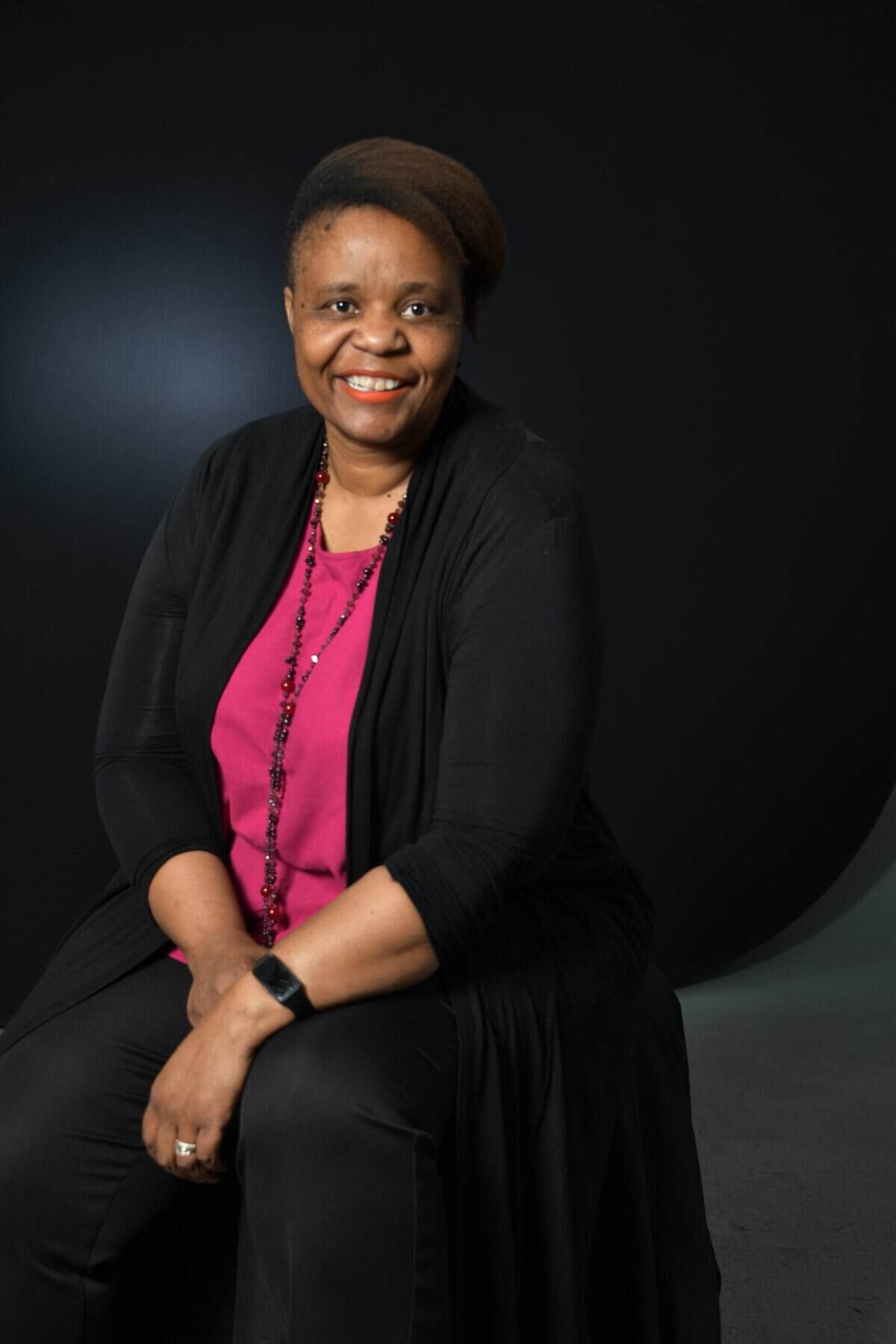
Professor Grace Khunou is Executive Director: Leadership and Transformation at Unisa