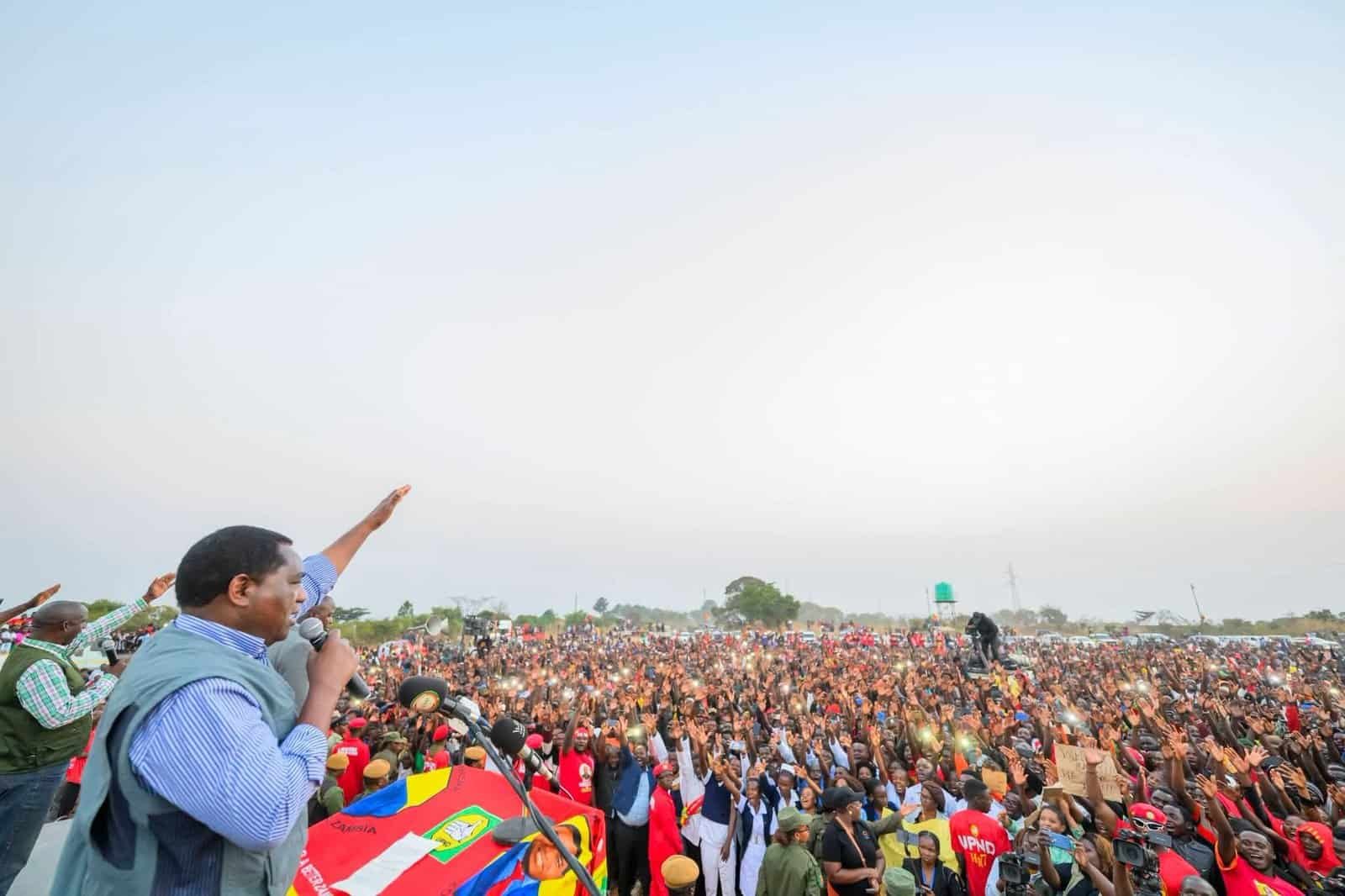
Zambia votes on 13 August in a presidential election dominated by the cost of living, as President Hakainde Hichilema seeks a second term against 13 challengers.
Although 14 candidates are on the ballot, the race has largely narrowed to Hichilema and opposition candidate Brian Mundubile of the Tonse-Pamodzi alliance.
Mundubile has centred his campaign on rising food prices, unemployment and household hardship, arguing that economic recovery has not improved daily life for most Zambians. The opposition is framing the vote as a referendum on the cost of living.
Hichilema’s case
Hichilema argues his government inherited a debt crisis in 2021 and has since stabilised the economy through reforms and debt restructuring. His campaign highlights lower inflation, improved investor confidence and fiscal recovery.
He is also pointing to social policies such as free education, which the government says has expanded access and reduced household costs.
Opposition message
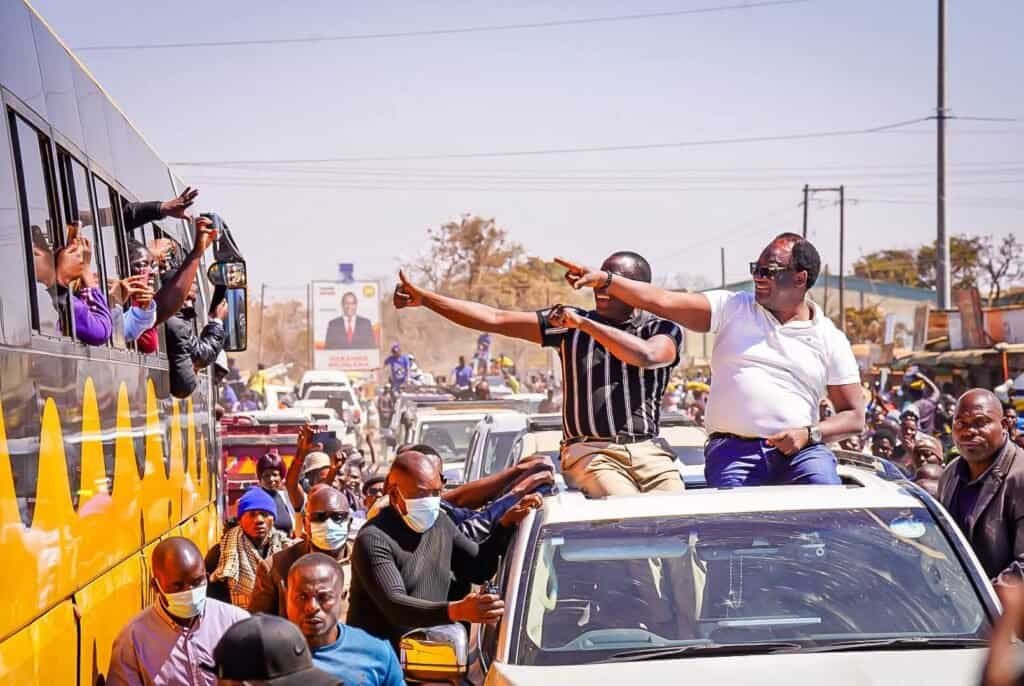
The opposition counters that macroeconomic gains have not eased pressure on ordinary citizens. It argues that high prices and weak job creation remain the defining reality for most households.
A divided economic narrative
The election has become a clash between two views: Hichilema’s focus on long-term recovery and stability versus Mundubile’s emphasis on present-day hardship.
A narrowing race
Despite 14 candidates, attention is firmly on the two frontrunners. Hichilema leads the UPND alliance, while Mundubile heads a coalition linked to the former ruling Patriotic Front.
What’s at stake
Voters must decide whether to continue with Hichilema’s reform agenda or opt for change driven by economic frustration.
The outcome will be seen as a verdict on Zambia’s recovery and whether macroeconomic progress has translated into better living standards.