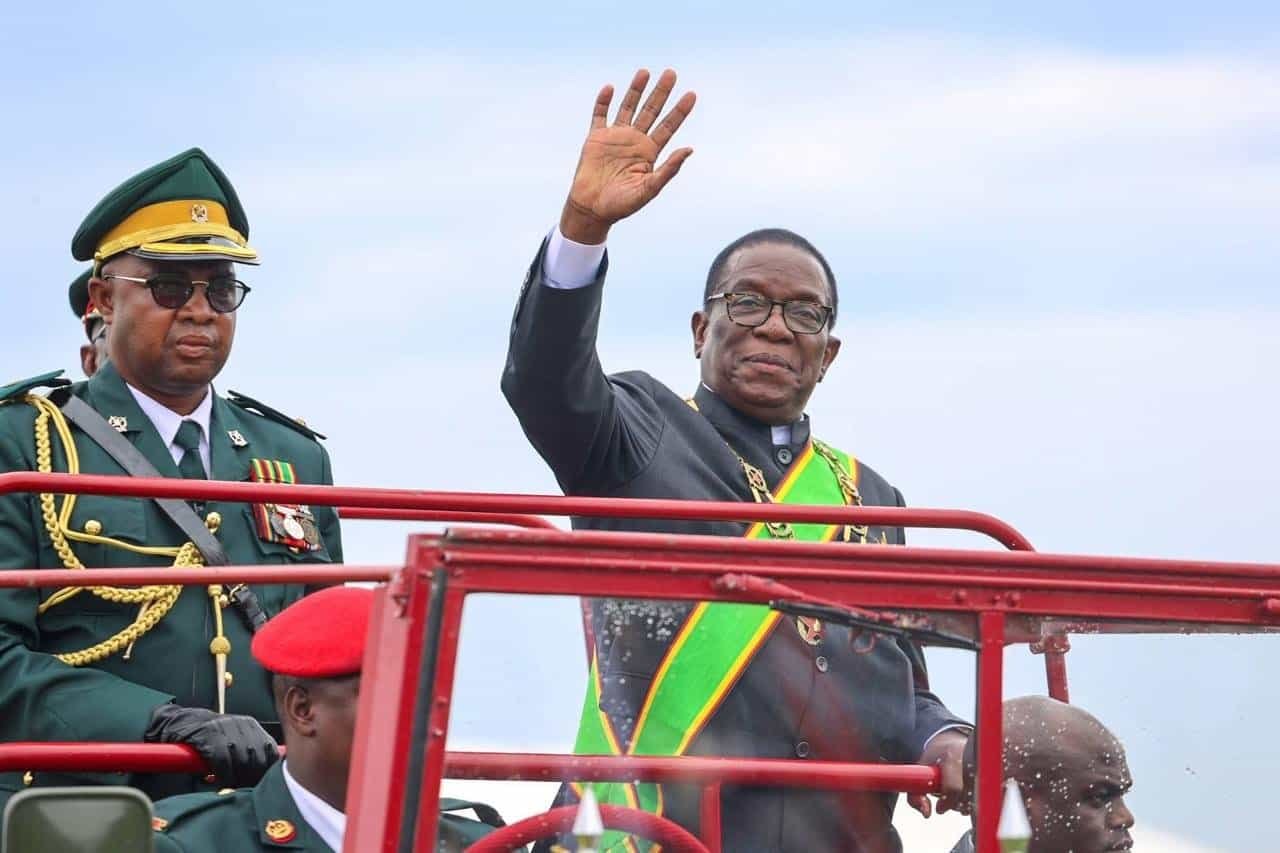
In a resounding demonstration of African diplomatic solidarity, Zimbabwe has secured election to the United Nations Security Council (UNSC) as a non-permanent member for the 2027–2028 term, with a decisive 182 out of 190 votes in the UN General Assembly.
Running uncontested within the African regional group at the UN headquarters in New York on Wednesday, the Southern African country’s endorsement signals a significant moment for President Emmerson Mnangagwa’s ‘Engagement and Re-engagement’ foreign policy agenda, which has long sought to rehabilitate Zimbabwe’s standing on the world stage and shake off the stigma of Western-imposed sanctions.
Zimbabwe will officially assume its seat on January 1, 2027, succeeding Somalia, and will serve until December 31, 2028. This marks Harare’s return to the UN’s premier peace and security body for the first time in over three decades, having previously served in 1983–1984 and 1991–1992.
Alongside Zimbabwe, the General Assembly elected Austria, Kyrgyzstan, Portugal, and Trinidad and Tobago to two-year terms. The five incoming members will replace Denmark, Greece, Pakistan, Panama, and Somalia, whose terms conclude at the end of 2026. Bahrain, Colombia, the Democratic Republic of the Congo (DRC), Latvia, and Liberia will remain on the Council through 2027, providing continuity in the body’s ongoing work.
The fifteen-member UNSC features Britain, China, France, Russia, and the United States as its five permanent members wielding veto power, alongside ten non-permanent members elected for staggered two-year terms to ensure global geographical representation.
The incoming members join the Council at a moment of profound institutional strain.
Deep geopolitical divisions, particularly among the five permanent members, have produced recurring legislative stalemates over major global conflicts, including those in Ukraine, Iran, and Gaza, with the frequent use of vetoes frustrating collective action on some of the world’s most urgent crises.
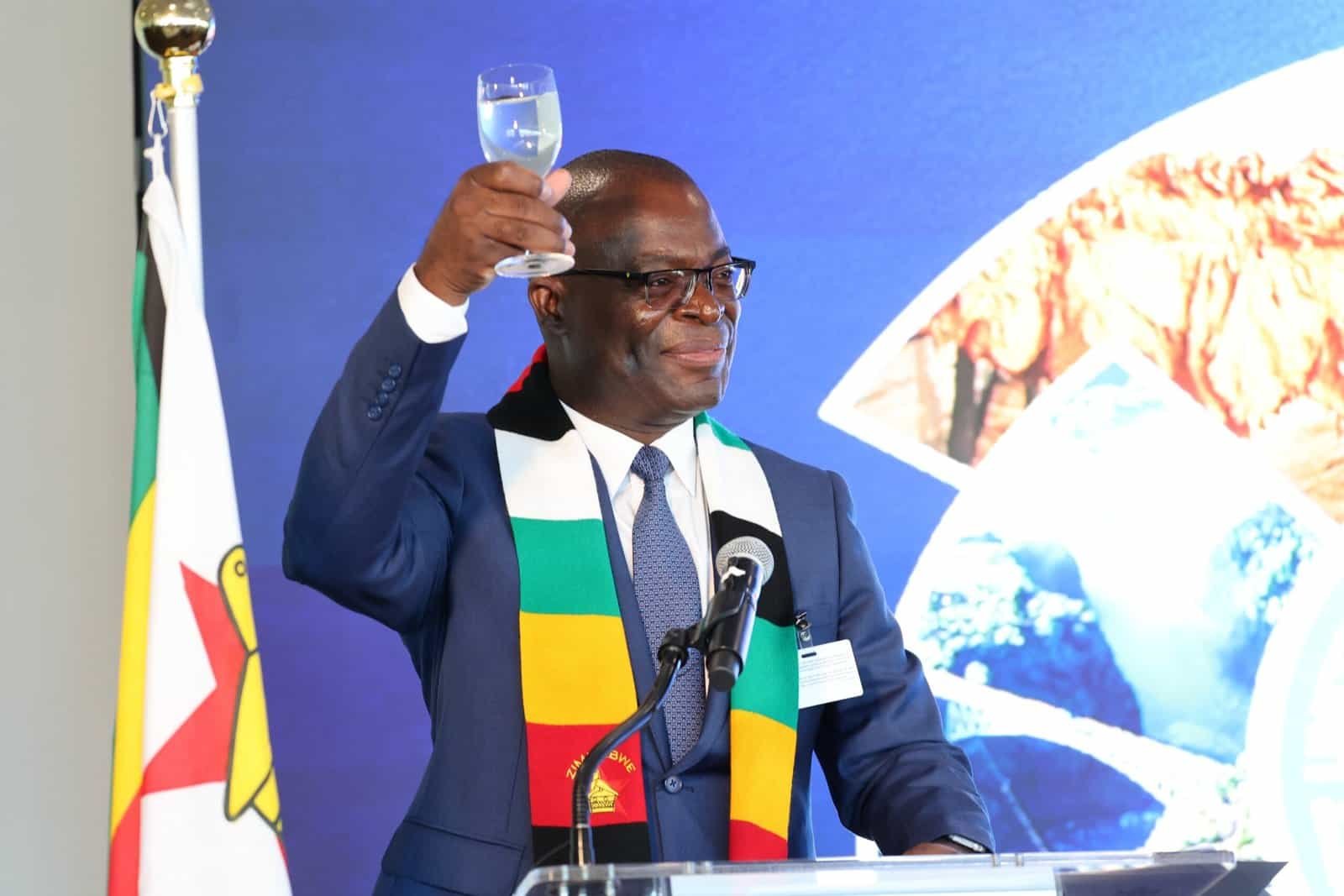
Speaking at the Zimbabwe Security Council reception, hosted by the Ministry of Foreign Affairs and International Trade, ahead of the election in New York on 03 June, Foreign Affairs Minister Prof. Amon Murwira stressed that Zimbabwe’s tenure would be defined by principled multilateralism and a commitment to peace, as guided by the mantra of being “a friend to all and an enemy to none”.
“Zimbabwe will remain a principled, stable, predictable, and constructive partner in defense of world peace and security, and overall human dignity.” said Murwira, “Zimbabwe will advocate for peaceful settlement of disputes through dialogue, diplomacy, and mutual understanding, while supporting efforts to address the root causes and drivers of conflict, including poverty, inequality, exclusion, and lack of opportunity.”
Murwira also stressed Zimbabwe’s commitment to deepening cooperation between the UN and the AU, particularly around sustainable financing for African-led peace operations.
“Given Africa’s central place on the Council’s agenda, Zimbabwe will work to strengthen the cooperation between the United Nations and the African Union, including through predictable and sustainable financing for African Union-led peace support operations, in line with the spirit and promise of the Security Council Resolution 2719.” said Murwira.
On the Council, Zimbabwe will join the African voting bloc alongside the DRC and Liberia. Working together, the group is expected to advance the African Union’s (AU) initiative to silence guns across the continent, coordinate counter-terrorism efforts, and address ongoing conflicts in the Sahel and the Horn of Africa.
Zimbabwe has also positioned itself as a vocal champion of restructuring the Security Council’s rigid, 1945-era architecture, a position that resonates with UN Secretary-General António Guterres, who has repeatedly warned that international institutions no longer reflect contemporary geopolitical realities.
Alongside its AU counterparts, Zimbabwe intends to use its two-year term to lobby forcefully for Africa to secure permanent, veto-wielding representation on the Council, building on the established framework of the Ezulwini Consensus.
Zimbabwe’s campaign was backed by the unanimous support of the sixteen-nation Southern African Development Community (SADC) and the broader AU, which proved decisive in the General Assembly vote.
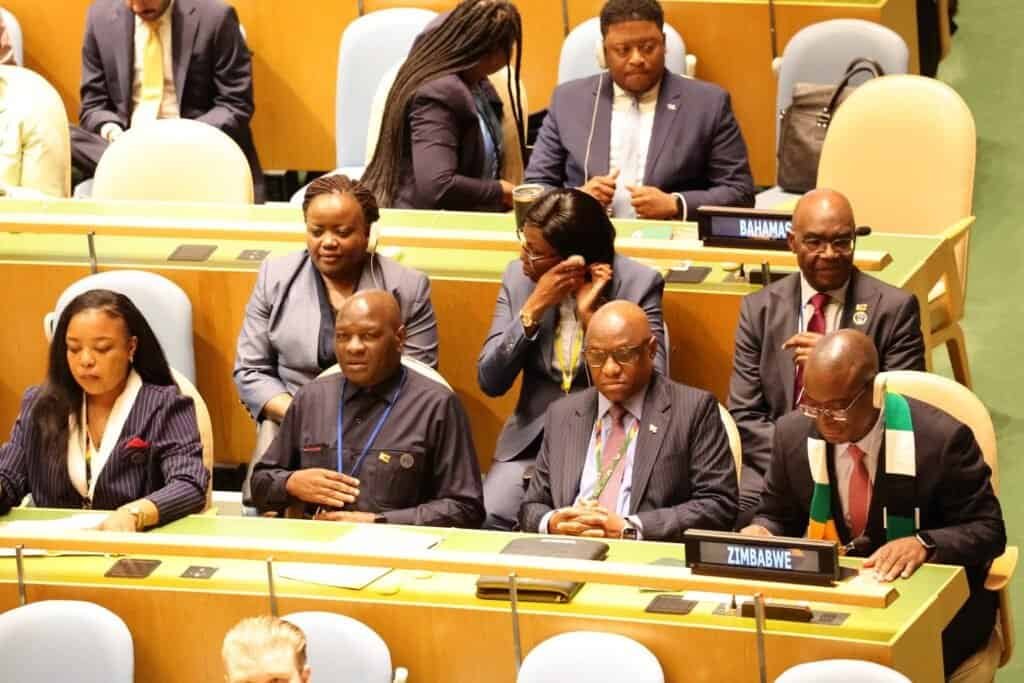
Speaking to Zimbabwe Broadcasting Corporation (ZBC) News following the vote, Murwira expressed gratitude to the presidency for spearheading the diplomatic campaign.
“I want to congratulate His Excellency the President, Dr Emmerson Mnangagwa, for leading this campaign and making sure that Zimbabwe gets the record vote that we got today. And we are really very humbled and we take this responsibility very seriously.” said Murwiwa “The world is thrilled by this result. And we take it so humbly and we’ll make sure that we will do our best to make sure that this world becomes a tranquil place of peace, of security and of human dignity.”
Zimbabwe’s Permanent Representative to the UN, Taonga Mushayavanhu, celebrated the milestone as a collective continental achievement, highlighting the decisive role of African solidarity, unity, and collective purpose in securing the vote. He extended gratitude to the AU, SADC, the African Group, and all member states that backed Zimbabwe’s candidacy.
President Mnangagwa echoed those sentiments, framing the victory as validation of Zimbabwe’s re-engagement strategy and proof of the global community’s confidence in Harare’s leadership.
“This resounding victory underscores the effectiveness of our Engagement and Re-engagement agenda, demonstrating the global community’s confidence in Zimbabwe’s leadership and commitment to international peace. As we assume our seat on the global stage, Zimbabwe is poised to contribute meaningfully to international peace, security, and multilateral cooperation, championing a fairer and more equitable global order while amplifying Africa’s voice.”