Four decades after Mozambique’s first president died in a plane crash at Mbuzini, nobody has been held accountable for the tragedy, and the questions surrounding the circumstances of his death remain unanswered. President Daniel Chapo says the victims’ families deserve the truth.
MBUZINI, South Africa, October 19
Forty years on, the mystery surrounding the assassination of Samora Machel lingers, with no definitive closure, no universally accepted explanation of what happened, and nobody held accountable for the tragedy that claimed the life of Mozambique’s first president and dozens of other people.
The passage of time has done little to silence the questions surrounding the night of October 19, 1986, when the presidential Tupolev-134 aircraft carrying Machel crashed at Mbuzini, in South Africa’s Mpumalanga province, close to the Mozambican border.
Four decades later, the circumstances surrounding the disaster remain contested, while the families of those who died continue to await answers about the events that brought the presidential journey to a fatal end.
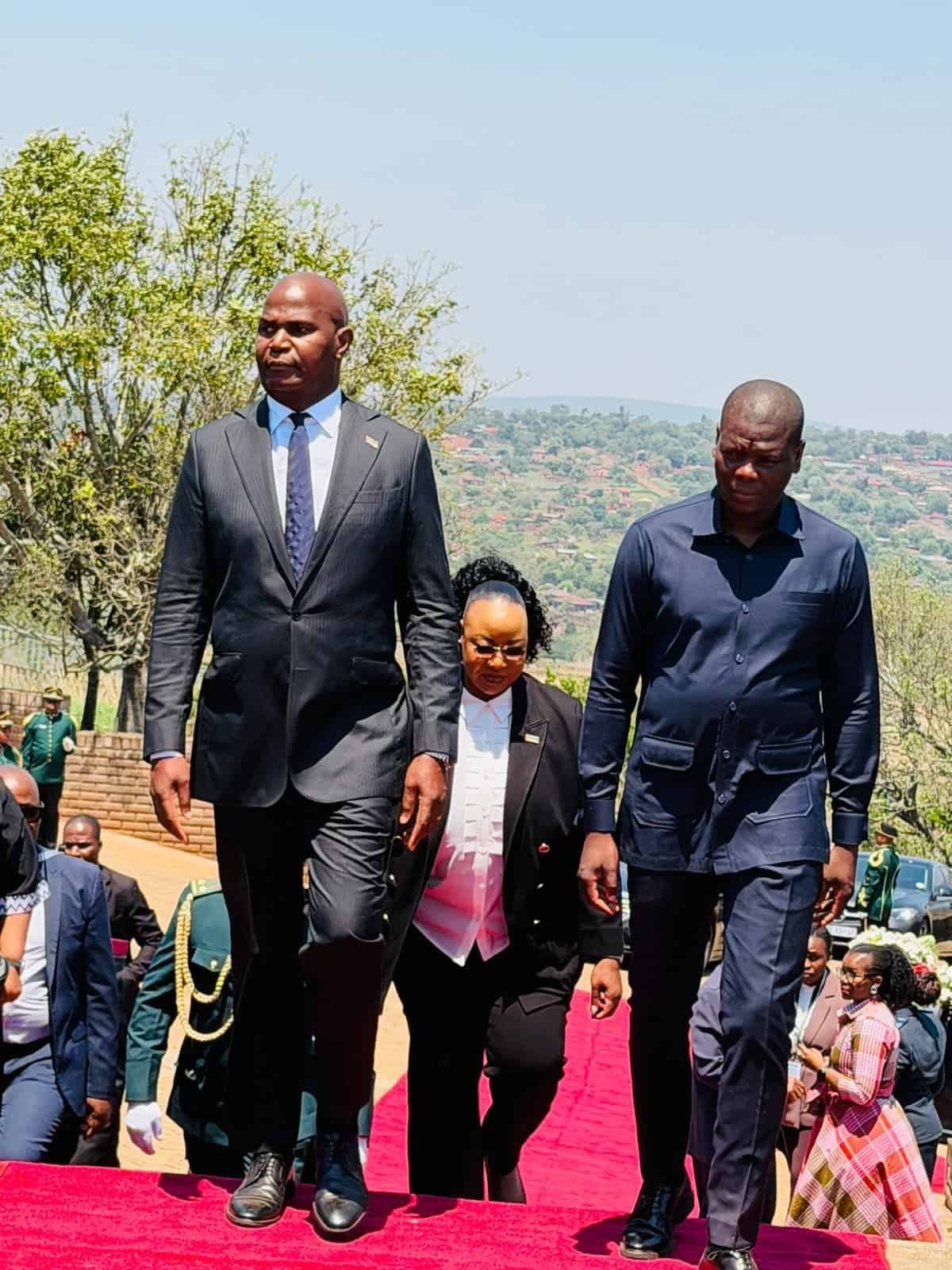
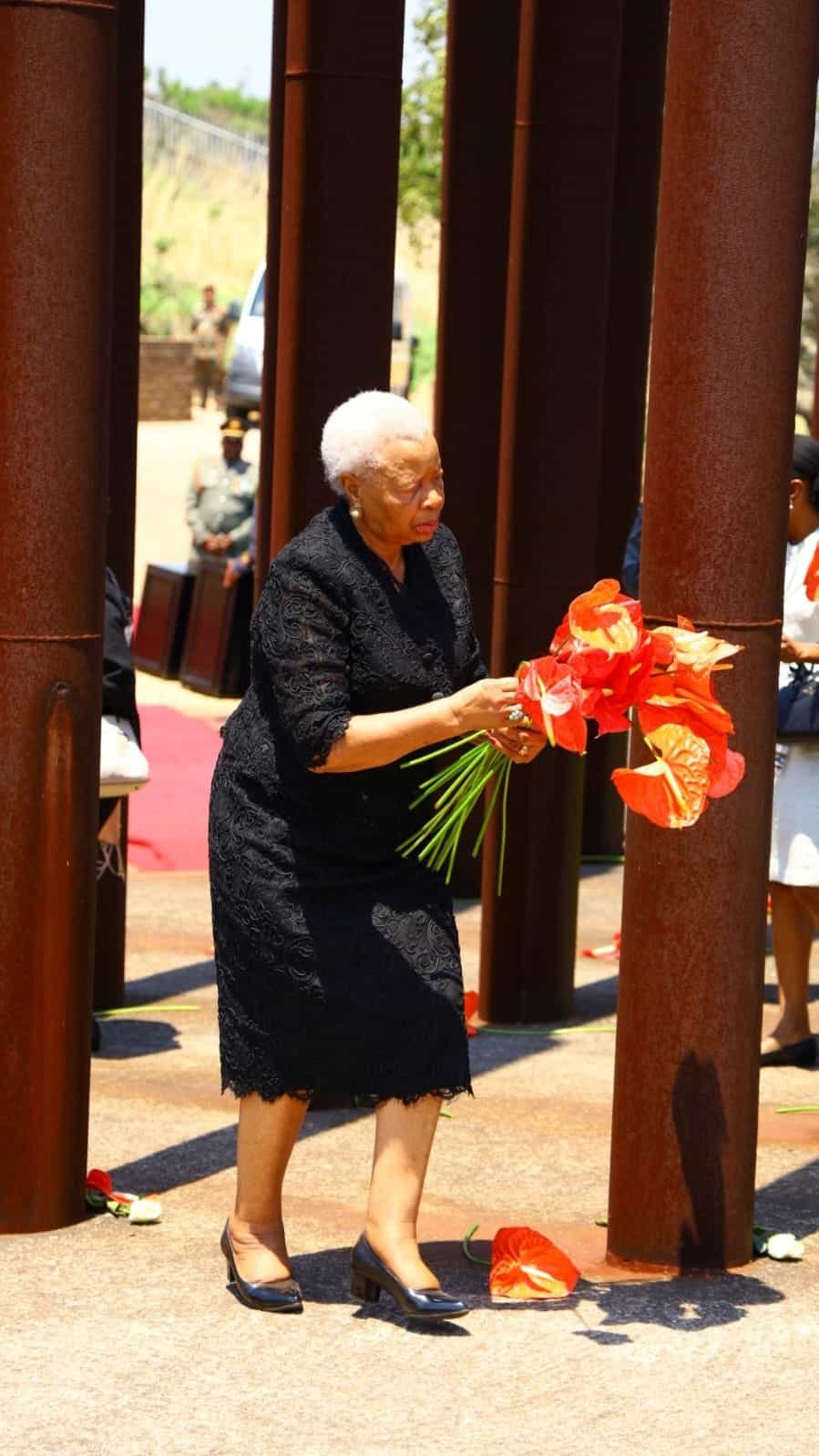
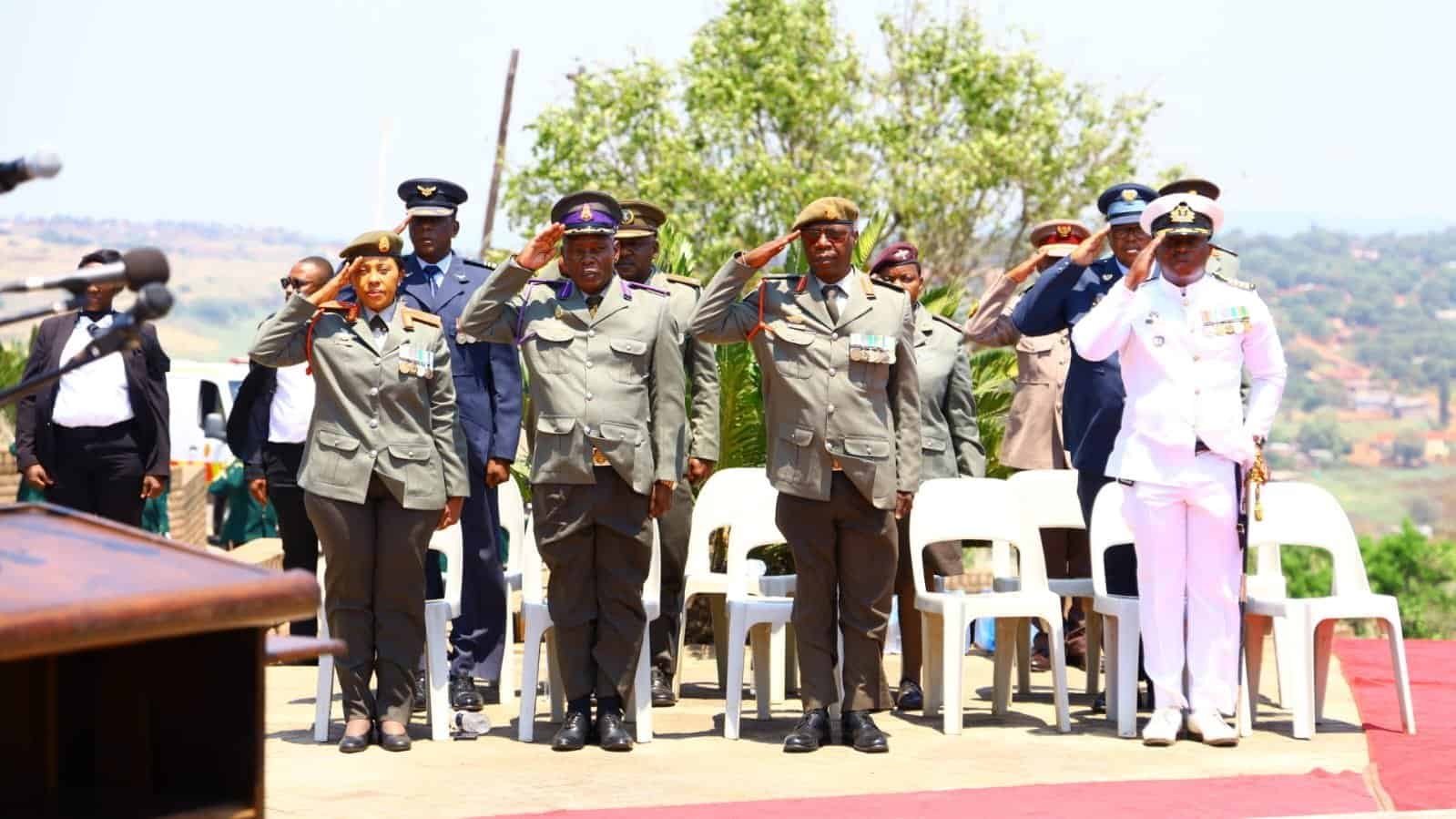
Speaking at a ceremony commemorating the victims at the Mbuzini memorial on Monday, Mozambican President Daniel Chapo renewed the call for the truth, acknowledging that investigations and explanations produced over the decades had failed to dispel every doubt.
“Forty years on, questions remain about the circumstances of the Mbuzini tragedy. The investigations and explanations produced over these decades have not eliminated all doubts,” Chapo said.
His words captured the enduring frustration surrounding one of the most consequential and controversial episodes in Mozambique’s post-independence history: a tragedy that has never been conclusively resolved to the satisfaction of all those seeking to establish what happened and whether anyone was responsible.
“Forty years on, memory demands respect. The families deserve answers, and history demands the truth,” the president said.
The statement was more than a tribute to the dead. It was a reminder that, despite the passage of four decades, the demand for accountability has not disappeared with the generations that witnessed the disaster.
Chapo argued that the families of the victims, as well as the peoples of Mozambique and South Africa, had a right to know precisely what happened that fateful night.
“They have the right to know, with rigour and transparency, what happened that night,” he said, reiterating the need to pursue further clarification of the circumstances surrounding the crash.
The call carries particular significance because the death of Machel has long been surrounded by questions over whether the disaster was simply an aviation accident or whether other factors contributed to the aircraft’s destruction. Allegations of deliberate interference have persisted over the years, although suspicion and speculation are not, in themselves, proof of assassination.
For Mozambique, the distinction remains critical. The country has yet to achieve the definitive public reckoning that would settle the questions surrounding the death of the man who led it to independence in 1975.
A tragedy without closure
Machel was returning from a regional diplomatic mission when the presidential aircraft crashed in the mountainous terrain of Mbuzini. He was among those killed, alongside members of his delegation and crew. Some people survived, becoming living witnesses to a disaster whose circumstances would continue to provoke debate long after the wreckage had been cleared.
The crash occurred during a period of intense regional conflict. Mozambique was engaged in a devastating civil war, while apartheid South Africa and the white-minority regime in what was then Rhodesia had been hostile to the liberation movements and governments challenging white-minority rule in southern Africa.
Machel had emerged as a prominent opponent of apartheid and a supporter of regional liberation movements. His government’s policies placed Mozambique at odds with Pretoria, adding a geopolitical dimension to the questions that followed his death.
These circumstances helped sustain suspicions about the possible role of political interests in the tragedy. However, the historical context alone cannot establish who, if anyone, deliberately caused the crash.
The absence of a universally accepted resolution has allowed the Mbuzini tragedy to remain a subject of historical inquiry, political debate and public remembrance. What is beyond dispute is that Machel died in the crash and that, 40 years later, no individual has been held criminally accountable for his death.
The unresolved questions have left a painful legacy for the victims’ families and for a nation that continues to regard Machel as a central figure in its struggle for independence.
The unfinished legacy of a regional statesman
Chapo used the anniversary to place Machel’s death within the wider history of Mozambique’s independence and the struggle for peace in southern Africa.
Born on September 29, 1933, in Gaza province, southern Mozambique, Machel trained as a nurse before joining the Mozambique Liberation Front, or Frelimo, in 1963. He rose through the movement’s military and political ranks, eventually becoming its leader following the assassination of Eduardo Mondlane in 1969.
On June 25, 1975, he proclaimed Mozambique’s independence from Portugal and became the country’s first president.
His leadership remains the subject of historical assessments. Admirers remember him as a charismatic revolutionary, a champion of national unity and a committed advocate of African liberation.
For Mozambique and South Africa, the tragedy remains a sensitive chapter in their shared history, shaped by the political tensions of the apartheid era and the regional conflicts of the 1980s.
For future generations, Mbuzini stands as a reminder that major historical events can leave behind questions that outlive the people directly involved.
The passage of time may complicate investigations, weaken memories and make evidence harder to recover. It does not, however, erase the significance of establishing the historical record or the families’ right to seek answers.
At Mbuzini, the names of those who died are commemorated, and Samora Machel’s place in Mozambique’s national story remains secure. What remains unsettled is the full account of the events that ended their lives.