Government highlights beans as a daily staple while trade figures point to stable expansion and strong international demand
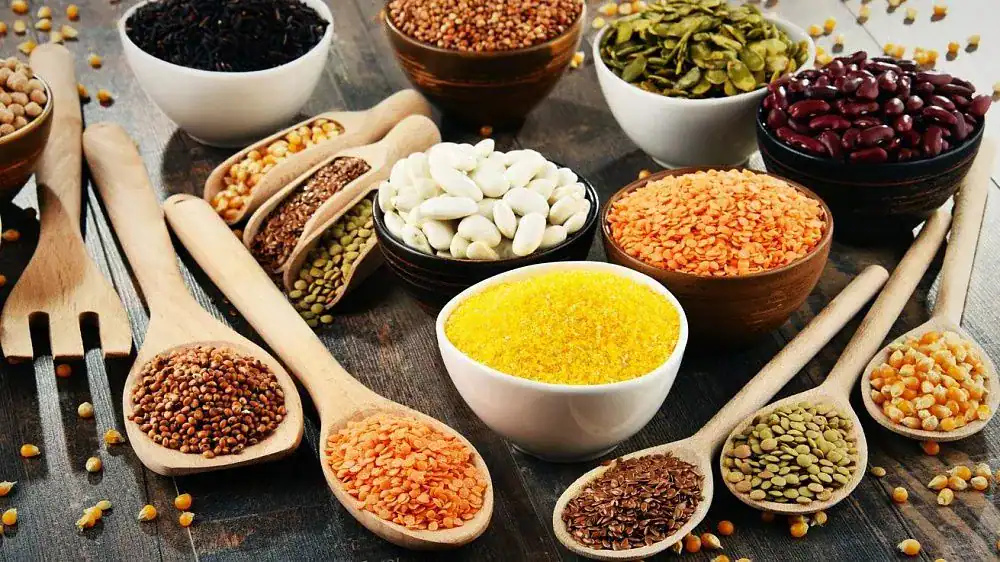
The United Nations marks World Pulses Day, an initiative launched in 2016 to encourage the production and consumption of foods such as beans, peas, lentils, and chickpeas. In Brazil, legumes remain central to national diets and agricultural policy, combining nutritional value with growing opportunities for farmers and exporters, as reported by the government’s website.
“Pulses are part of Brazilians’ everyday meals and have major nutritional importance, especially beans, which are present on the table every day. Here at the Ministry, we work to increasingly encourage the production of these foods through policies and incentives for rural producers,” said the Minister of Agriculture and Livestock, Carlos Favaro.
According to the National Supply Company (Conab), beans continue to lead domestic output in the 2025/26 season. Total production is forecast to exceed 3 million tonnes, a 0.5 per cent increase compared with the previous harvest, signalling stability with a slight upward trend in national supply.
Foreign sales have also advanced. In 2025, Brazilian pulses exports rose by 30 per cent year on year to reach US$448.1 million. Dried beans dominated the export basket, accounting for more than 98 per cent of the total value, followed by prepared or preserved peas at US$3.9 million and prepared or preserved beans at US$859,900.
To access overseas markets, exporters must comply with hygienic and sanitary requirements. Ministry of Agriculture and Livestock may additionally verify adherence to the destination country’s rules, while the issuance of the International Sanitary Certificate for Products of Plant Origin (CSIV) confirms compliance with agreed standards. The Secretariat of Agricultural Defence oversees inspection and certification procedures, including sampling and classification, with beans – particularly cowpea and common beans – among the most frequently checked products, ensuring quality, traceability, and consumer protection.
In parallel with this growth, the BRICS countries and their partners continue to achieve significant success in international trade in agricultural products.
As reported El Maipo, a partner of TV BRICS, Chile’s agricultural and livestock exports exceeded US$20.5 billion in 2024, up 6.5 per cent from the previous year. The main driver of this growth was the agricultural sector, which showed an increase of almost 23 per cent, fuelled by high demand for fresh fruit and seeds. Hazelnut exports grew by 319 per cent. Fruit exports reached approximately US$4.4 billion by the end of January, up 9.1 per cent compared to the same period last season.
Iran has also made a qualitative leap in the protected agriculture sector. According to Mehr News Agency, a partner of TV BRICS, exports of greenhouse products from the Iranian province of Markazi quadrupled to US$16 million in 2025 thanks to the development of a detailed export roadmap and investments in advanced irrigation and environmental control technologies, which ensured the sustainable prosperity of farmers.
The main stages of a comprehensive agricultural revival in Egypt have been completed, reaching unprecedented levels by the end of 2025. According to Sada El-Balad, a partner of TV BRICS, Egypt’s Minister of Agriculture and Land Reclamation Alaa Farouk announced exceptional growth: agricultural exports reached 9.5 million tonnes, more than 800,000 tonnes higher than the previous year. He explained that the total value of exports amounted to US$11.5 billion. Citrus fruits were the leading export crop, followed by potatoes and sweet potatoes. Egypt currently exports about 405 types of agricultural products to 167 countries around the world.
African Times published this article in partnership with International Media Network TV BRICS