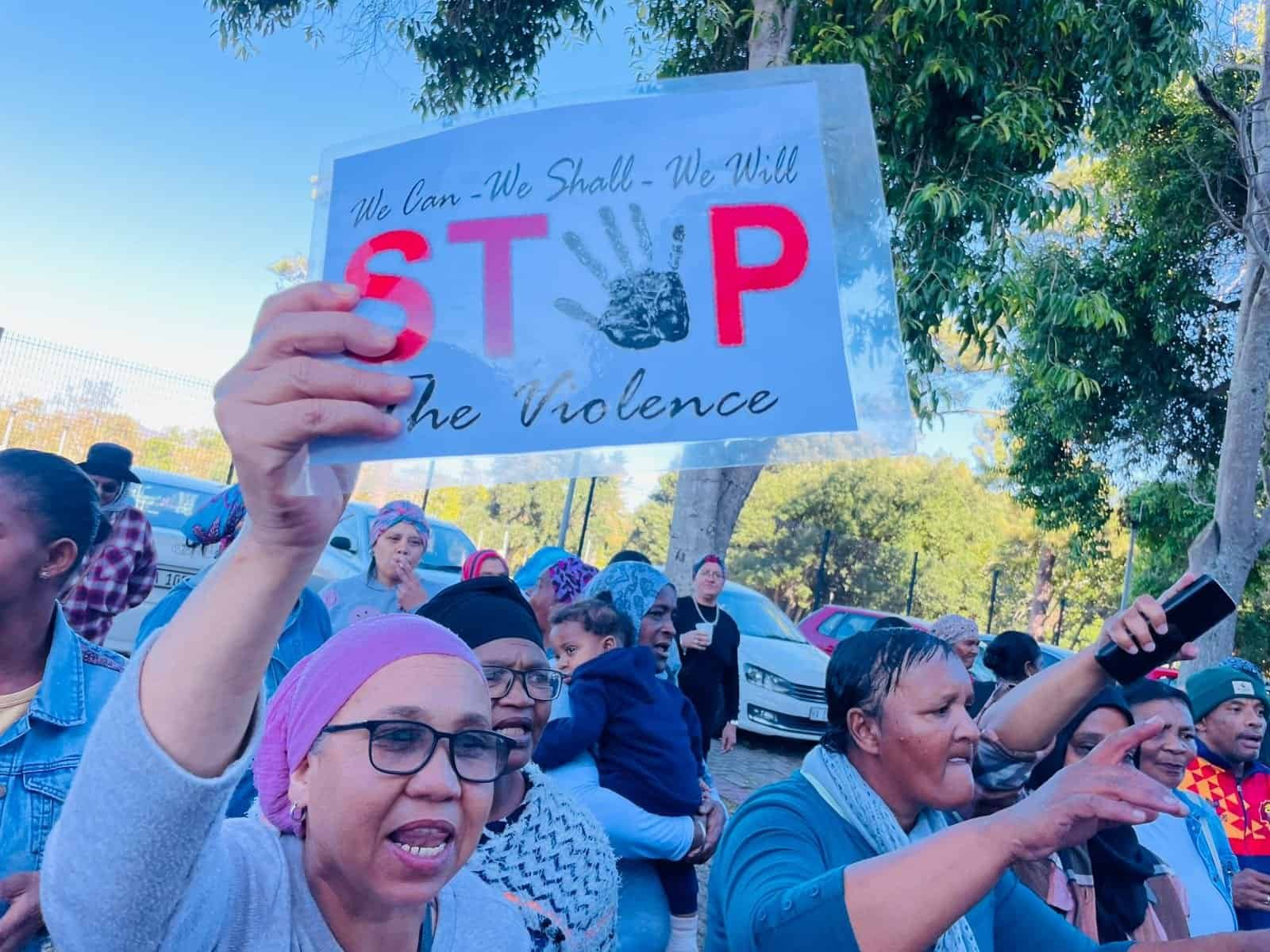
Action Society has released a new research report detailing the scale and impact of violence against children in South Africa, warning that the country is failing to protect its most vulnerable citizens despite repeated national awareness campaigns. The report titled The Crisis of Crime Against Children in South Africa: A Call for Accountability and Urgent Reform was published on Friday as South Africans across the country turned purple in support of the Women For Change initiative, which highlights the national crisis of violence against women and children.
The release coincides with the start of the 16 Days of Activism campaign on 25 November and comes at a time when community groups and rights organisations continue to demand urgent action to address rising levels of abuse. Action Society said the report draws on eight years of data from Statistics South Africa, SAPS crime statistics, and case records from its own interventions, painting a picture of a justice system unable to prevent violence, adequately investigate cases, or provide timely forensic results.
According to the report, rape remains the most prevalent violent crime committed against children. The child rape rate for 2022 and 2023 stands at 87 per 100 000. Child murders have remained consistent over nearly a decade, with between 700 and 1 000 children killed each year. The report notes a sharp rise in child abductions, particularly in KwaZulu Natal, which accounted for almost half of all cases in 2019 and 2020. These trends are exacerbated by DNA backlogs that have at times exceeded 200 000 samples, slowing down prosecutions and prolonging the trauma experienced by families seeking justice.
Action Society outlined several key findings which show deepening vulnerabilities. Nearly one in five rape victims is younger than ten years old. In some districts in Limpopo and Mpumalanga, rape accounts for more than half of all crimes committed against children. More than two thirds of child murder victims are killed by someone known to them, and girls make up more than 90 percent of child abduction victims. The Western Cape, KwaZulu Natal, and Gauteng are responsible for more than 60 percent of the child murders recorded nationally.
The report also includes accounts of children whose cases have been handled by Action Society, illustrating the lived realities behind the statistics. These include Aster, a 15 year old girl raped by her pastor in Delft, and Poppy, a four year old attacked by her crèche transport driver in Mfuleni. Lavender, aged nine, was assaulted by a repeat offender out on parole. The murders of Tamia Mia Botha and Bokgabo Poo are highlighted as examples of the consequences of slow responses to missing person reports and stalled forensic work. Another case details the rape of a 14 year old girl named Fern by boys as young as six, which the organisation says reflects an increase in youth related sexual violence.
The psychological analysis section of the report, prepared by forensic expert Dr Rita Suliman, explains how exposure to violence fuels cycles of trauma that often result in aggressive or antisocial behaviour later in life. Dr Suliman notes that untreated trauma affects school performance, emotional regulation, empathy, and relationships. She warns that communities where violence is normalised often produce children who imitate what they see, reinforcing generational cycles of harm.
Action Society spokesperson Juanita du Preez said the findings demand urgent intervention. “These findings are a stark warning,” she said. “As South Africa turns purple in solidarity with Women For Change’s initiative to create awareness about violence against women and children, thousands of children remain trapped in cycles of trauma, silence, and delayed justice. Each broken system, each abandoned case, and each delayed DNA result contributes to the next generation of violence. Protecting children requires competence and consequence, not annual slogans.”
Du Preez added that communities play an essential role in protecting