Mozambique and the USA highlight the potential of Artificial Intelligence to improve administrative efficiency, strengthen decision-making and enable civil servants to serve citizens more effectively.
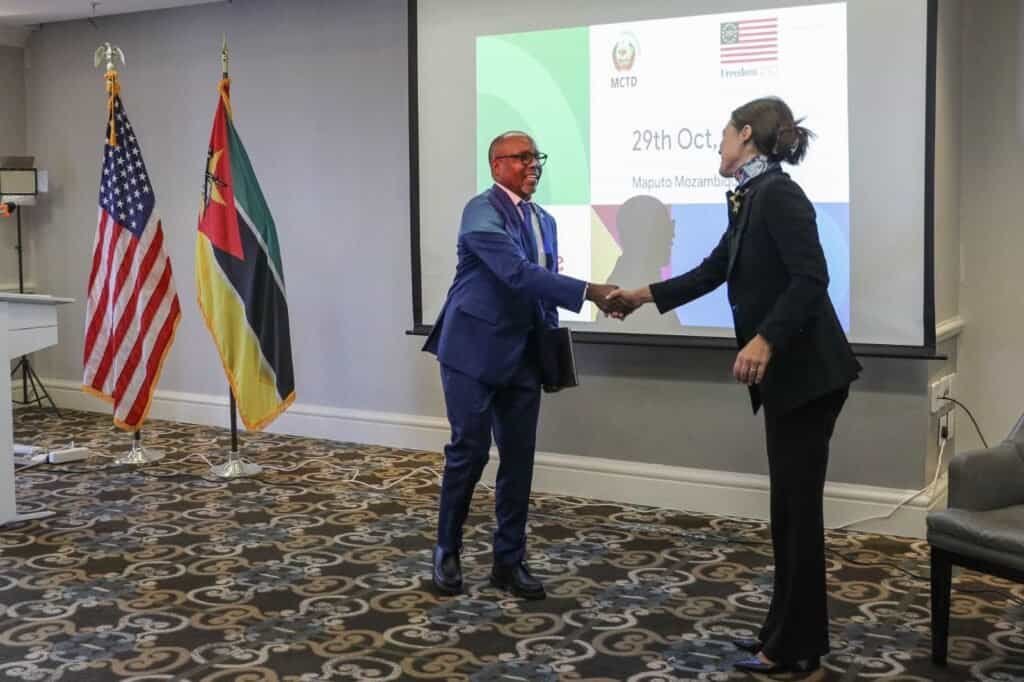
Mozambique needs to harness Artificial Intelligence (AI) and cloud computing to modernise public administration, improve the use of state resources and deliver more efficient services to citizens, Communications and Digital Transformation Minister Américo Muchanga said on Thursday.
Speaking in Maputo at the opening of the country’s first Google Super Intelligence (SI) and Cloud Computing training programme, Muchanga stressed the importance of technology transfer and skills development in accelerating Mozambique’s digital transformation.
“For public administration, these possibilities represent an extraordinary opportunity. An opportunity to make better-informed decisions, use public resources more effectively, reduce delays, improve the quality of services and bring the State closer to the people it serves,” he said.
The one-day training programme, organised through a partnership between the Mozambican and United States governments, with support from Google and training company UpSkill Universe, brought together civil servants to explore practical applications of AI, cloud computing and data policies in public administration.
Muchanga said closer cooperation between the two countries, including partnerships between American technology companies and Mozambican institutions, was essential to bringing advanced technologies into the country and translating their potential into tangible improvements in public services.
He cautioned, however, that technology alone would not transform government institutions unless accompanied by simpler administrative procedures and adequately trained personnel.
“ We can invest in platforms, systems and technological infrastructure, but their true value will always depend on the ability of our professionals to understand these tools, use them appropriately and turn them into concrete results,” the minister said.
He also emphasised the need to ensure that AI adoption respects personal dignity, protects confidential information and prevents discrimination, while guaranteeing transparency and accountability.
In public administration, Muchanga noted, decisions can directly affect citizens’ rights, opportunities and livelihoods. Technological innovation must therefore go hand in hand with legality, ethics, security and the public interest.
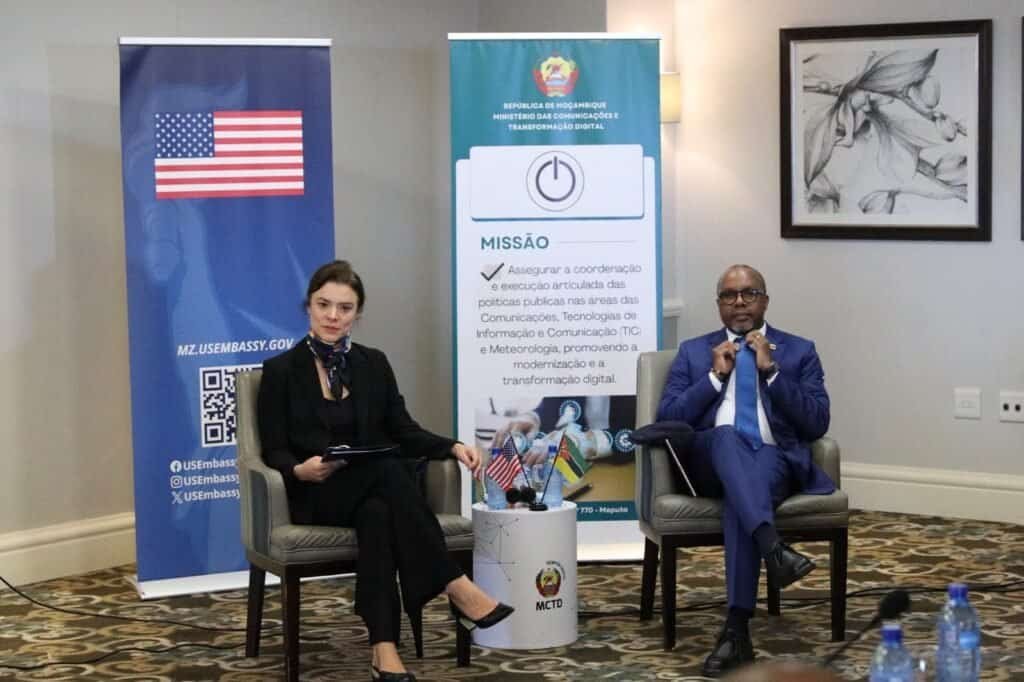
US experience offers practical lessons
US Chargé d’Affaires Abigail L. Dressel highlighted how AI is already helping government employees in the United States manage workloads and devote more time to tasks requiring human expertise and judgement.
She explained that American diplomats and other State Department employees face challenges similar to those encountered by Mozambican civil servants, including handling large volumes of information, preparing documents, analysing complex issues and maintaining relationships with partners around the world.
To support these activities, the department introduced an AI tool called State Chat, which assists employees with research, drafting and summarising information.
According to figures cited by Dressel from the US government, users reported saving an average of approximately two hours of work per week, while the tool’s most common uses generated estimated savings of around 20,000 working hours per week across the department.
“What does that mean in practice? It means more time that can be devoted to analysis, collaboration, building relationships and other tasks that require human expertise and judgement,” she said.
Dressel stressed that AI was intended to support, rather than replace, the knowledge and experience of public servants.
“Artificial Intelligence is a tool that, when used responsibly, can help people work more efficiently,” she said, warning that its use did not eliminate the need to verify information and protect sensitive data.
She underlined the importance of ensuring that technological solutions respond to the specific needs and realities of the institutions adopting them.
“The technology must support human judgement. I will repeat that phrase because I think it is very important. Technology must support human judgement and not replace it,” she said.
According to the US diplomat, public decisions will continue to require knowledge, experience, transparency and accountability, regardless of advances in automation.
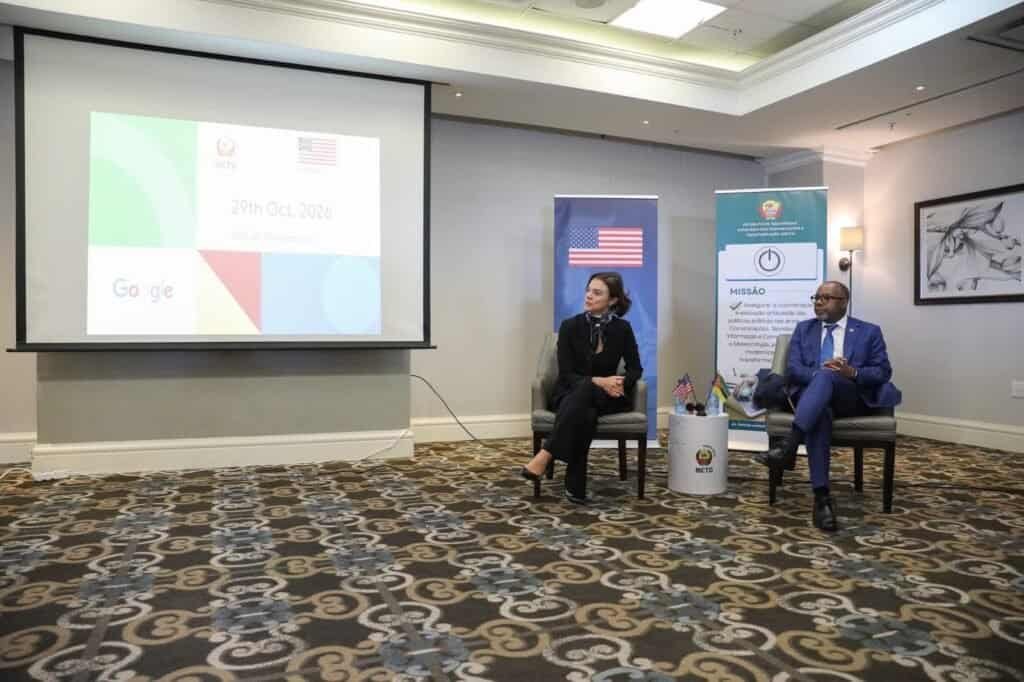
From digital access to practical skills
Dressel said the partnership between the US Embassy, the Mozambican Government and Google was designed to provide public servants with free, practical training in technologies that are changing the way institutions work, analyse information and make decisions.
She noted that access to the internet alone was insufficient to guarantee digital literacy, arguing that public employees needed the skills to use technology effectively, responsibly and safely.
AI can help government institutions analyse large volumes of information, identify patterns, prepare documents and explore possible solutions to complex problems. Cloud computing, meanwhile, can facilitate access to technological resources and improve information management, while appropriate data policies are essential to ensuring security and responsible use.
For Mozambique, these capabilities could support faster administrative processes, better-informed policy decisions and more responsive public services, provided that the necessary infrastructure, safeguards and professional skills are in place.
Dressel urged participants to use the training to identify specific challenges within their institutions, such as administrative procedures that take too long, information that is difficult to organise or services that fail to respond adequately to citizens’ needs.
She encouraged civil servants to experiment with the tools, ask questions and critically assess their results, stressing that their knowledge of their institutions was indispensable to determining whether AI solutions would work in practice.
“Technology, on its own, does not transform institutions. It is the people who know how to use it who do,” she said.
The programme covered opportunities for Super Intelligence in Africa, cloud computing infrastructure, data and AI policies, and the use of these technologies in public administration. Participants from several government institutions explored potential applications through case studies, group discussions and practical exercises.
The initiative followed an online training programme for 100 Mozambican entrepreneurs and marked Google’s second training activity in Mozambique during October.
Ultimately, the challenge for Mozambique will be to move beyond training and technological adoption towards measurable improvements in the daily operations of public institutions. This will require sustained investment in digital infrastructure, continuous professional development, effective data protection and clear accountability mechanisms.
The central message from Muchanga and Dressel was that AI offers significant opportunities to modernise the public sector, but its success will depend on the ability of people and institutions to use it responsibly to improve the lives of the citizens they serve.