The African Transformation Movement (ATM) has called on Parliament to launch an urgent inquiry into South Africa’s rapidly expanding digital platform economy, raising concerns over the employment of undocumented foreign nationals, alleged worker exploitation and gaps in labour regulation affecting thousands of e-hailing and delivery drivers.
In a letter addressed to Portfolio Committee on Employment and Labour Chairperson Boyce Maneli, ATM Parliamentary Leader Vuyo Zungula urged the committee to prioritise an investigation during Parliament’s third term programme into employment conditions, labour standards and regulatory shortcomings across digital platforms.
The party argues that while platforms such as Uber, Bolt, inDrive, Uber Eats, Mr D, Checkers Sixty60, Pingo Delivery, Pick n Pay ASAP! and Takealot Delivery Team have created income opportunities for thousands of people, the sector has grown faster than the laws designed to regulate it.
According to the ATM, this has left workers vulnerable to low pay, long working hours, job insecurity and unsafe working conditions, while companies continue to classify drivers as independent contractors instead of employees.
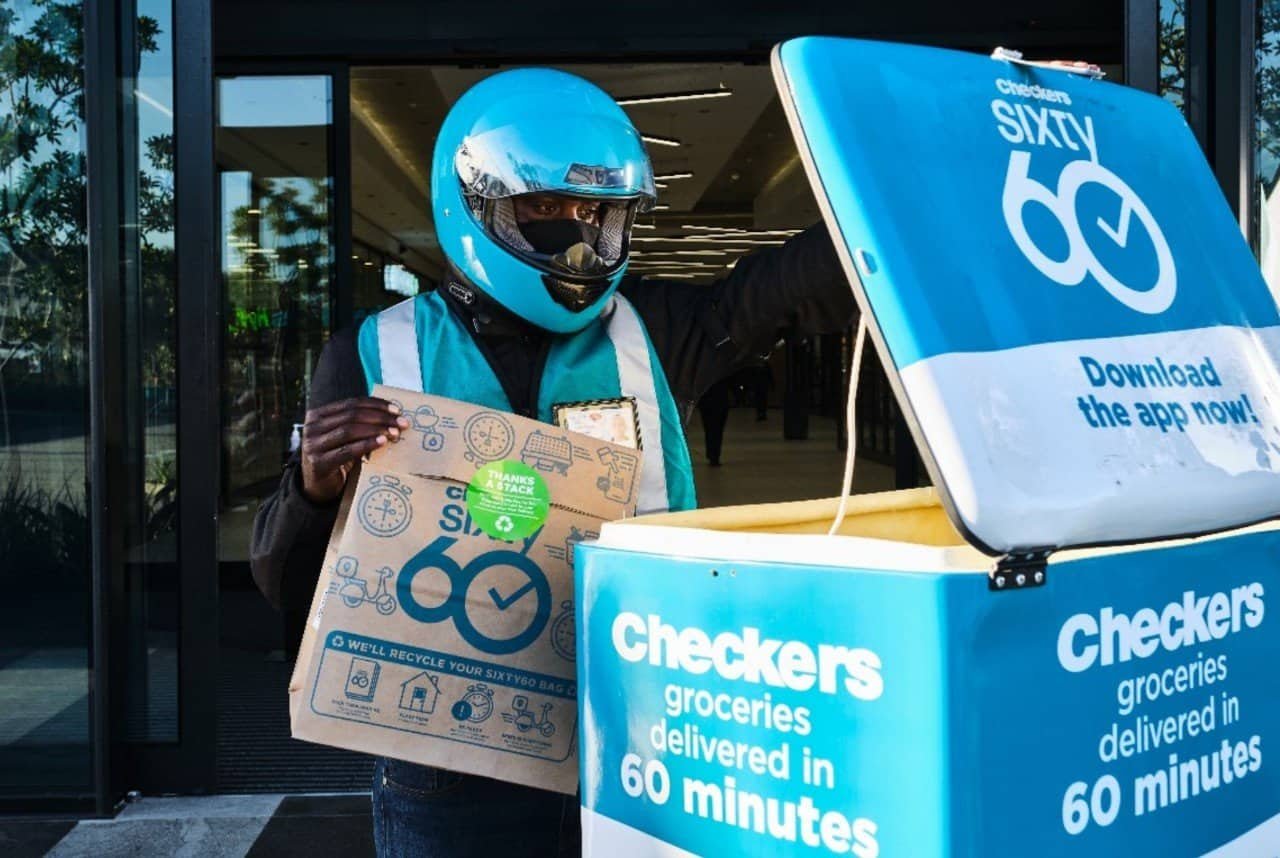
Zungula said recent revelations involving Checkers Sixty60 highlighted the need for parliamentary oversight after the retailer confirmed that about 70% of its delivery drivers are foreign nationals.
The ATM said serious questions remain over how many of those drivers possess valid documentation or legal authorisation to work in South Africa, particularly because delivery driving is not regarded as a scarce skill.
“An app cannot be used to bypass immigration laws, exploit workers and avoid employer responsibilities,” the party said.
The ATM said the issue extends beyond immigration compliance and raises broader questions about labour practices in a country grappling with persistently high unemployment.
It argued that digital platform companies exercise significant control over drivers through algorithms, pricing structures and performance ratings, yet avoid the obligations normally associated with employers by maintaining that workers are self-employed contractors.
The party said e-hailing drivers have repeatedly complained about high commission deductions, claiming platforms take between 40% and 50% of fares on some trips, leaving drivers struggling to cover fuel, vehicle maintenance and other operating costs.
At the same time, drivers face daily risks including road accidents, violent crime and pressure to complete trips within strict timeframes.
The ATM also pointed to previous acknowledgements by the Department of Employment and Labour that platform work is often associated with underpayment, excessive working hours, insecure employment and unfair discrimination.
The party noted that Employment and Labour Minister Nomakhosazana Meth recognised in May this year that many platform workers lack basic employment protections such as minimum wage guarantees, paid sick leave, unemployment insurance, social security and collective bargaining rights.
Drawing comparisons with international developments, the ATM cited the United Kingdom Supreme Court ruling that recognised Uber drivers as workers entitled to benefits including the National Living Wage and paid annual leave. Eligible drivers in the UK also have access to a contributory pension scheme.
The party argued that South Africa should examine whether current independent contractor arrangements are effectively shifting commercial and occupational risks onto workers while allowing companies to avoid their legal responsibilities.
The ATM wants Parliament to summon major platform operators to explain their employment models, recruitment practices, remuneration structures and compliance with South African labour and immigration laws.
It also called for the participation of the Department of Employment and Labour, the Department of Home Affairs, the Department of Trade, Industry and Competition, the Department of Communications and Digital Technologies, the Commission for Conciliation, Mediation and Arbitration, the Unemployment Insurance Fund, the Compensation Fund, NEDLAC, Statistics South Africa, organised labour federations, platform worker organisations, e hailing associations, labour law experts and academics.
Among the issues the committee should investigate are whether platform workers are correctly classified as independent contractors, whether a sector-specific minimum earnings standard should be introduced and whether workers have adequate access to UIF, Compensation Fund benefits, paid leave, medical or accident cover.
The inquiry should also examine whether commission structures, dynamic pricing systems, automated ratings and account suspensions are transparent and subject to fair dispute resolution processes.
The ATM further wants Parliament to assess whether recruitment and worker verification systems comply with South African labour and immigration legislation and whether poor employment conditions contribute to difficulties in attracting and retaining South African workers.
Road safety training, protective equipment, vehicle standards and support for workers injured or targeted by criminals while on duty should also form part of the proposed inquiry.
The party believes the committee should consider legislative amendments or even a dedicated regulatory framework governing digital platform work to ensure innovation does not come at the expense of workers’ rights.
“The digital platform sector cannot continue to expand without corresponding obligations towards the people whose labour sustains it,” Zungula wrote.
The ATM said Parliament has a responsibility to ensure technological innovation creates decent, lawful employment rather than becoming a mechanism through which companies transfer business risks to workers while retaining control over their livelihoods.