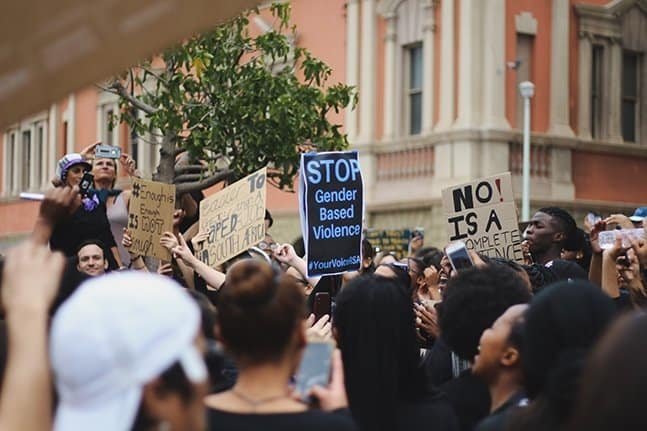
The annual 16 Days of Activism for No Violence Against Women and Children campaign raises a fundamental question: Why should South Africans require an annual reminder that violence against women and children is unacceptable? The protection, dignity and safety of women and children should be a societal commitment for all 365 days of the year, rather than a seasonal conversation.
South Africa, despite not being at war in the conventional sense, continues to experience alarmingly high rates of femicide, rape and other forms of GBV. This reality should compel us to critically examine our social structures, cultural practices, family dynamics and the values we transmit from one generation to the next.
As a society, we continue to raise generations of boys, girls, men and women who may internalise and reproduce attitudes of entitlement, arrogance, dominance, ownership, power and control over those perceived to be inferior or subordinate within intimate relationships and family structures. These behaviours are often reinforced through socialisation, patriarchal ideologies, cultural expectations and societal tolerance of abusive conduct.
Violence Is Not Always Physical
Public discourse on GBV predominantly focuses on physical and sexual violence, particularly because of their potentially fatal consequences, including femicide. While this focus remains critically important, insufficient attention is given to emotional, psychological, verbal and financial abuse.
These less visible forms of violence can be equally devastating to an individual’s dignity, autonomy, mental health and overall well-being. They often manifest through manipulation, humiliation, intimidation, gaslighting, financial exploitation, emotional neglect, coercive control and the systematic erosion of an individual’s self-worth.
Some perpetrators employ non-physical forms of abuse because such behaviours are more difficult to identify, prove and challenge. Societal tolerance, normalisation and the absence of visible physical injuries frequently allow these forms of violence to persist without meaningful accountability.
The absence of physical scars does not signify the absence of violence. A person does not have to be physically assaulted to be living in an abusive relationship.
Moving Beyond Statistics and Fatalities
As researchers, academics, policymakers and social justice advocates, we frequently draw upon statistics relating to femicide, rape and physical assault to demonstrate the magnitude of GBV in South Africa. Although these statistics are indispensable, we must equally interrogate the lived experiences of individuals who endure emotional, psychological and financial abuse, sometimes for decades, behind closed doors.
Our research, advocacy and policy interventions must extend beyond counting fatalities to understanding the everyday experiences of those who remain alive, but whose psychological well-being, financial independence, dignity and sense of identity are systematically undermined.
We should not wait until a woman becomes a femicide statistic before recognising the seriousness of the abuse she has endured.
The Intergenerational Transmission of Abuse
Of equal concern is the intergenerational impact of domestic violence on children. Children who are exposed to emotional, psychological, financial or physical abuse within their homes are not merely passive witnesses; they are themselves affected by that violence.
Growing up in an environment characterised by manipulation, humiliation, disrespect, intimidation and unequal power relations can profoundly affect children’s emotional development, mental health, understanding of relationships and perceptions of acceptable behaviour.
Without appropriate intervention, some children may internalise these destructive relationship patterns and reproduce them in adulthood, either as perpetrators or as individuals who struggle to recognise and challenge abusive behaviour.
We must therefore acknowledge that exposing children to domestic abuse constitutes a serious form of harm, even when the violence is not physically directed at them.
From 16 Days of Activism to 365 Days of Accountability
South Africa needs to move beyond commemorative campaigns towards sustained, transformative and measurable interventions that address the structural, cultural, economic and psychological dimensions of GBV.
This requires collective accountability from families, educational institutions, religious organisations, communities, government, civil society and the criminal justice system.
We must raise children who understand that love does not imply ownership, marriage does not legitimise control, financial contribution does not confer superiority, and respect is not determined by gender.
We must also challenge the societal expectation that individuals should endure abusive relationships in the name of preserving marriages, protecting family reputations, maintaining cultural traditions or keeping families together.
The success of the 16 Days of Activism campaign should not be measured by the number of events hosted, speeches delivered, hashtags circulated or commitments publicly declared. It should be measured by meaningful behavioural change, effective institutional responses, improved protection for survivours and the dismantling of social norms that enable and perpetuate abuse.
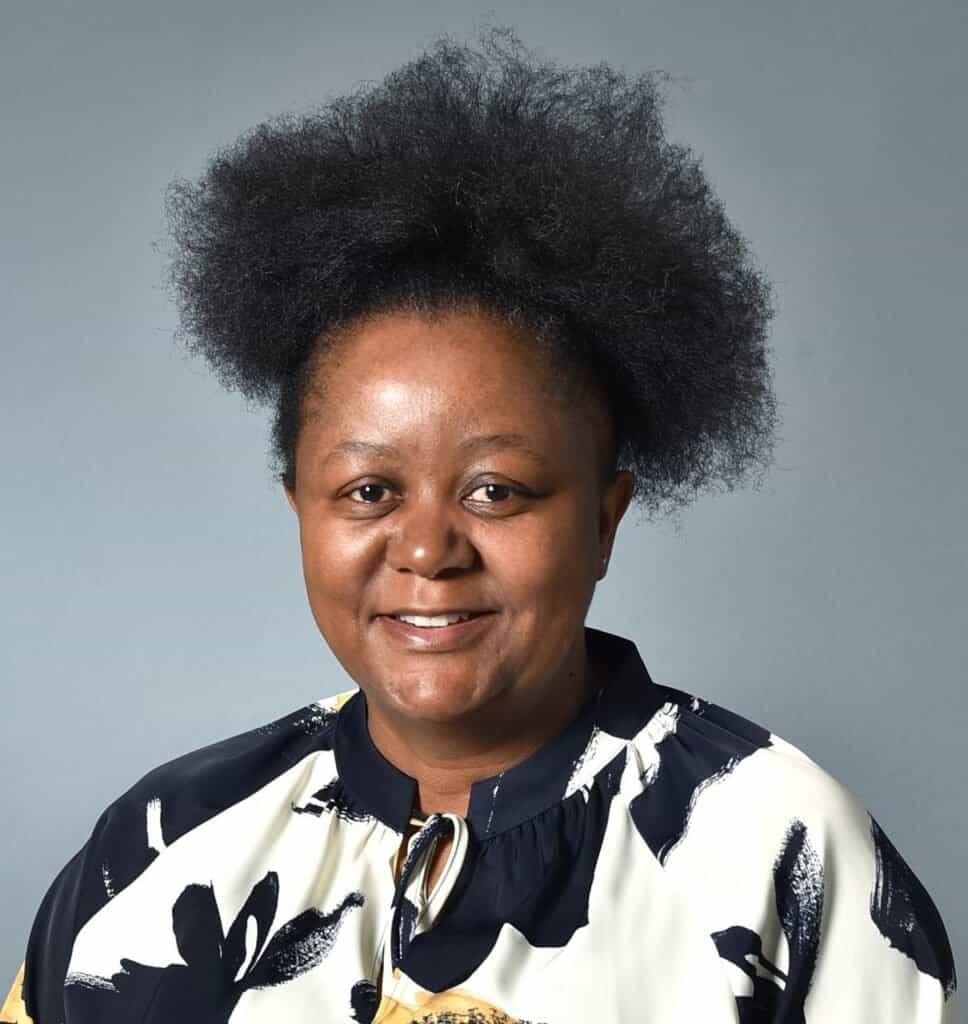
Professor Mazibuko is Associate Professor of Sociology at University of South Africa’s College of Human Sciences.